Bouvier des Flandres
Features


Origins
The Bouvier des Flandres originates from the plains of Flanders in northern Belgium, where for centuries it was used as a versatile working dog. Its name refers to its function as a cattle drover's dog, accompanying the herdsmen who drove cattle across the Flemish fields. It is an ancient breed with roots going back to the 16th century, although its modern type was established in the 20th century.
During World War I and II, the Bouvier des Flandres proved its worth as a messenger, medical assistant and troop dog. The wars almost brought it to extinction, but thanks to dedicated breeders, the breed was recovered and officially recognised by the FCI. Throughout the 20th century, it also became a popular police and rescue dog across Europe.
Today, the Bouvier des Flandres remains valued both as a working dog — in herding, rescue and detection work — and as a family pet for active people. Its adaptability and deep loyalty make it an exceptionally faithful and versatile companion.
Characteristics and aptitudes
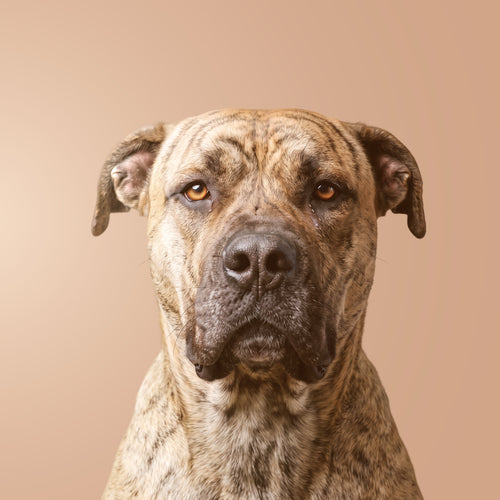
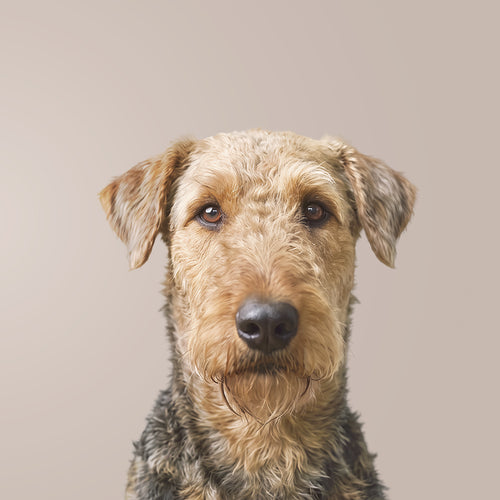
The Bouvier des Flandres is a dog of large size and robust build. Males reach a height of between 62 and 68 cm and can weigh between 35 and 40 kg, while females are somewhat smaller. Its body is compact, muscular and well-proportioned, with a strong head adorned by a characteristic beard and moustache that give it a serious and distinguished appearance.
The Bouvier's coat is one of its most striking features: the outer coat is thick, rough and slightly wavy, while the undercoat is soft and dense, providing excellent protection in adverse weather conditions. The most common colours are fawn, brindle, grey, salt and pepper or black, although there is great variability within the breed.
In terms of temperament, the Bouvier des Flandres is a balanced, intelligent and very loyal dog to its family. It has a marked protective instinct and can be reserved with strangers, making it an excellent guard dog. However, with proper socialisation from puppyhood, it is affectionate and calm at home. It requires an experienced owner who can guide it with firmness and consistency.
Care
The care of the Bouvier des Flandres begins with an intense and varied exercise routine. This breed, originally bred to work long hours in the field, needs at least two hours of physical activity daily to be mentally and physically balanced. Activities such as hiking, pulling, agility or herding work are ideal for channelling its energy and stimulating its intelligence.
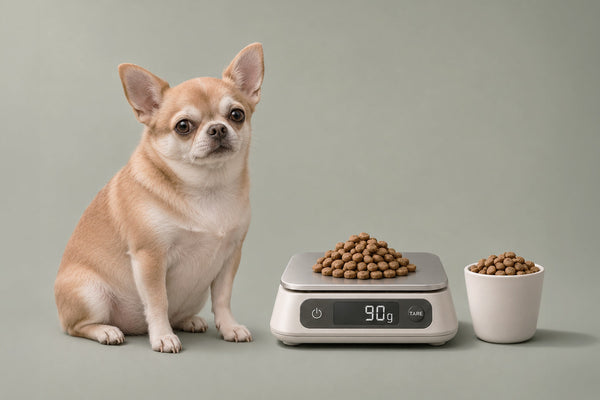
Its diet should be rich in protein and quality nutrients, adapted to its size and energy expenditure. It is important to divide meals into several servings daily to reduce the risk of gastric torsion, a condition to which large dogs are prone. A balanced diet with natural ingredients helps maintain its musculature and joint health.
Maintaining the Bouvier's coat requires intensive brushing two to three times a week to prevent tangles and matting. A professional trim every two to three months and a monthly bath are also advisable. Additionally, it is important to regularly check and clean its beard and moustache, which tend to retain moisture and food residue.
Most common diseases
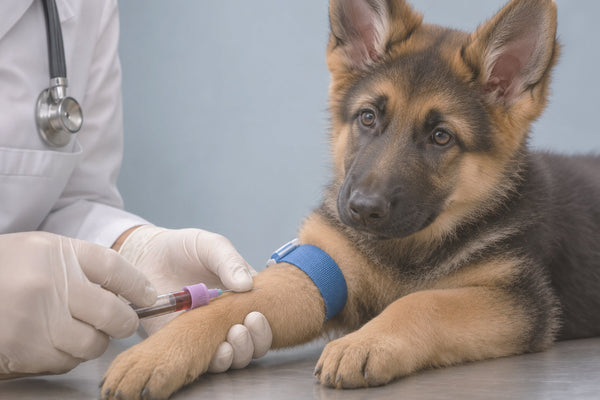
The Bouvier des Flandres can be prone to hip dysplasia, a hereditary joint malformation that can cause pain and limit mobility in adulthood. Weight management and moderate but consistent exercise are essential to reduce its impact. Screening tests are recommended for breeding animals.
Another important condition in the breed is progressive retinal atrophy (PRA), a hereditary eye disease that causes gradual degeneration of the retina and can lead to blindness. Although there is no cure, regular ophthalmological check-ups allow early detection. Cataracts and hypothyroidism, which responds well to appropriate pharmacological treatment, can also occur.
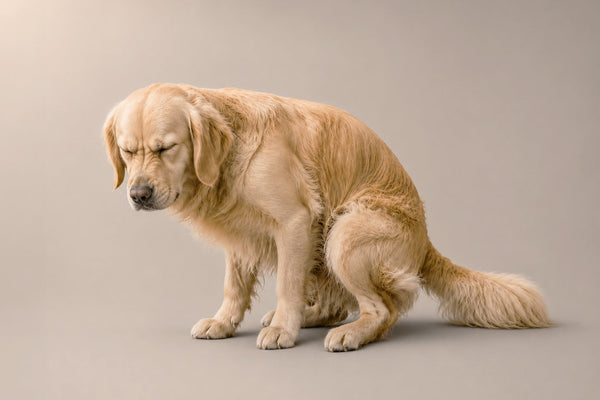
The life expectancy of the Bouvier des Flandres is between 10 and 12 years. Being a large dog, it is also susceptible to gastric torsion, a potentially serious medical emergency. Avoiding intense exercise immediately before or after meals is an essential preventive measure.
A balanced, high-quality diet is the foundation of your dog's health. Discover our selection of dog food.