
A dog fed a balanced and complete diet obtains most of the nutrients it needs through its food. However, in certain life stages, health conditions or situations of greater physical demand, supplements can make a real difference to their wellbeing. This guide reviews the main types of vitamins and supplements for dogs, when they make sense and how to use them correctly.
Essential vitamins for dogs
Fat-soluble vitamins (A, D, E, K)
They are stored in fatty tissue and the liver. Vitamin A is fundamental for vision and skin; D regulates calcium and phosphorus; E acts as an antioxidant; K participates in coagulation. An excess of fat-soluble vitamins can be toxic, so supplementation should be done with caution and under veterinary guidance.
Water-soluble vitamins (B complex, vitamin C)
They are eliminated through urine and have less risk of accumulation. B vitamins are involved in energy metabolism, nerve function and production of red blood cells. Dogs synthesise vitamin C endogenously, although in stress or illness situations they may benefit from extra supplementation.
Most commonly used supplements in dogs
Omega-3 fatty acids
Omega-3 (DHA and EPA from fish oil) has a potent anti-inflammatory effect and is especially useful in dogs with arthritis, atopic skin, kidney problems or inflammatory bowel disease. For detailed information on its use, read our article on omega-3 for dogs.
Glucosamine and chondroitin
These compounds are the most researched joint supplements in veterinary medicine. Glucosamine stimulates the production of articular cartilage and chondroitin inhibits the enzymes that degrade it. Especially recommended in large and giant breeds, senior dogs and breeds predisposed to hip or elbow dysplasia.
Probiotics and prebiotics
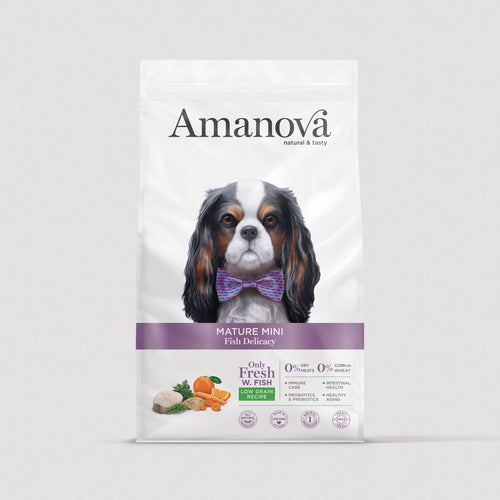
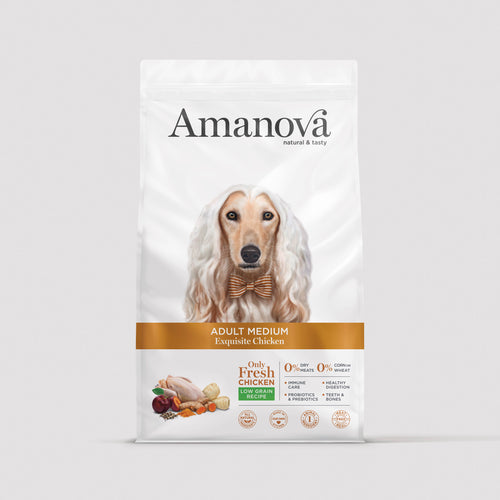
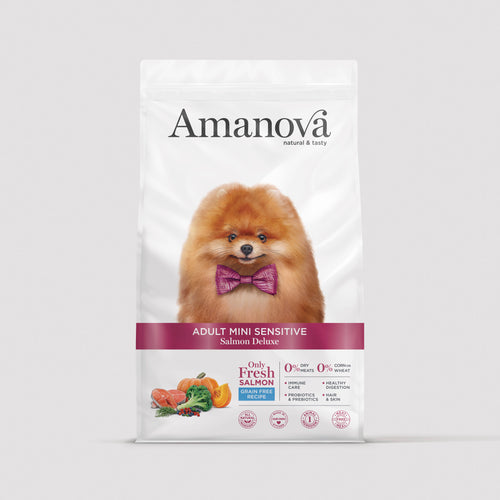
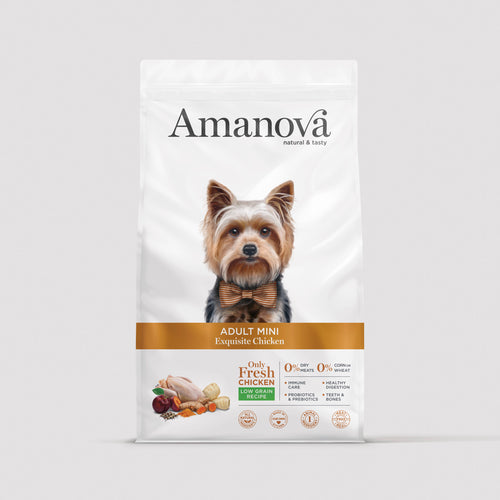
Probiotics provide beneficial bacteria to the intestine; prebiotics act as substrate for those bacteria. They are useful after antibiotic treatments, in dogs with sensitive digestion or with recurring gastrointestinal disorders.
Calcium and phosphorus
These should only be supplemented in specific cases (home diets without added calcium, puppies with unbalanced diets) and under veterinary prescription. Excess calcium in puppies can alter bone development.
Biotin and supplements for skin and coat
Biotin (vitamin B7) is fundamental for the health of skin, coat and nails. Recommended in dogs with dermatitis, alopecia or a dull, lacklustre coat.
When supplementation is justified
- Puppies and large breeds: greater need for calcium, phosphorus and DHA during growth
- Senior dogs: greater need for joint, cognitive and antioxidant support
- Very active or working dogs: greater energy and muscle recovery requirements
- Dogs with specific pathologies: veterinary prescription mandatory
- Home or BARF diets: require supplementation to ensure nutritional balance
Risks of uncontrolled supplementation
More is not better. An excess of fat-soluble vitamins (A, D) can cause toxicity. Supplementing excess calcium in puppies can disrupt bone development. The key is to supplement only when there is a real need, with quality products and doses appropriate to the dog's size and condition.
Find quality supplements for your dog
Explore our selection of supplements for pets and find the most suitable option for your dog's needs. If you also want to improve their basic diet, discover our range of dog food.


