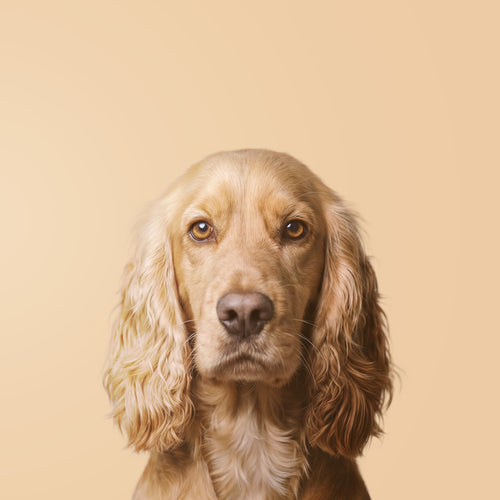
Airedale Terrier
Features


Origins
Airedale Terrier developed in the mid-19th century in the Aire river valley in Yorkshire, England, through crossing the Old English Black and Tan Terrier with the Otterhound to create a dog capable of hunting otters and rats in difficult terrain. Its size and versatility earned it the title of King of Terriers.
During World War I and II it was used as a messenger, guard and rescue dog. Recognised by the Kennel Club since 1886.
Characteristics and aptitudes
Airedale Terrier is the largest terrier in the world, with an athletic and well-muscled body. Its hard, wiry coat is as distinctive as its personality: brave, intelligent and with seemingly boundless energy.
It is sociable with family and children, while maintaining the typical independence of terriers. It learns quickly but can be stubborn without consistent handling.
Care
Airedale Terrier needs intensive daily exercise to satisfy its high energy levels. Coat maintenance is demanding: brushing several times a week and professional stripping twice a year. Positive training from puppyhood is essential. Veterinary visits should include thyroid and joint checks.
Most common diseases
Airedale Terrier may be predisposed to some conditions:
- Hip dysplasia: hereditary joint malformation that can cause chronic pain and difficulties in movement.
- Hypothyroidism: insufficient production of thyroid hormone affecting metabolism and coat.
- Dermatitis: skin inflammation that can manifest as itching, redness or skin lesions; common in the breed.
- Neoplasms: higher predisposition to developing various types of tumours with age.
A balanced, high-quality diet is the foundation of your dog's health. Discover our selection of dog food.