
Sterilisation is one of the most common decisions dog owners make, with well-documented benefits for health and behaviour. However, it brings important metabolic changes that, if not taken into account in the diet, can lead the dog to develop overweight or obesity. In this article we explain why the dog's needs change after neutering and how to choose the best food for sterilised dogs.
How metabolism changes after sterilisation
After sterilisation, the dog experiences a reduction in sex hormone production (oestrogens in females, testosterone in males). These hormonal changes have direct consequences on metabolism:
- Reduction in basal metabolic rate: the dog burns between 20 and 30% fewer calories at rest
- Increased appetite: sex hormones modulate the feeling of fullness; without them, the dog may feel hungry more frequently
- Greater tendency to accumulate body fat: especially in the abdominal area
The result is that a sterilised dog that continues to eat the same amount as before the operation will have a positive calorie balance, which over time leads to overweight.
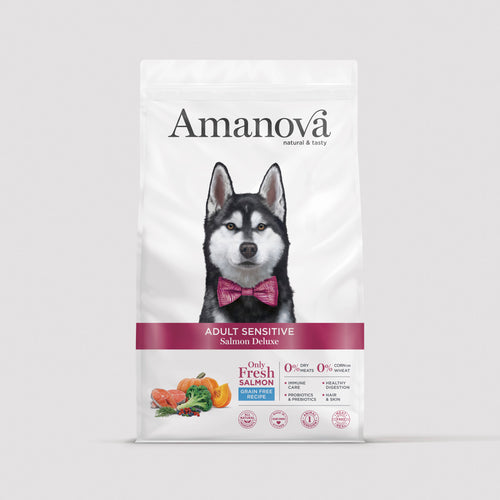
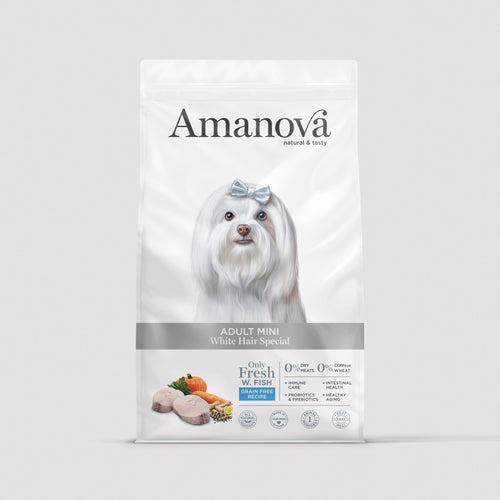
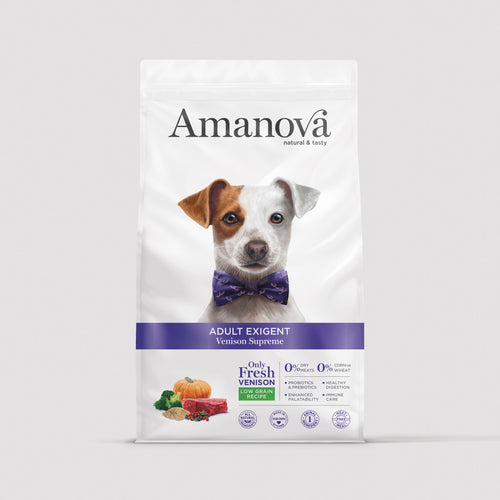
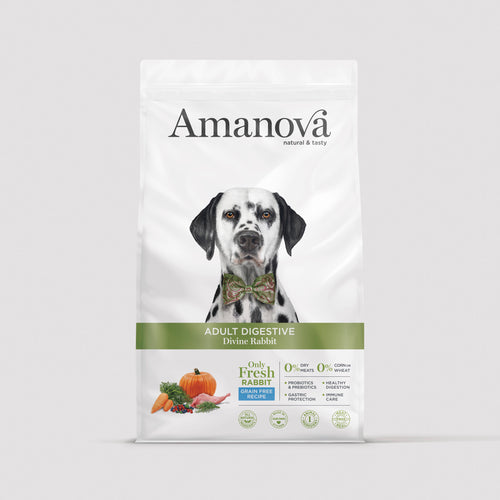
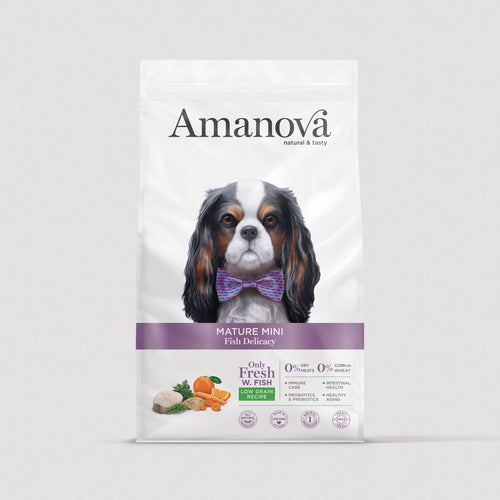
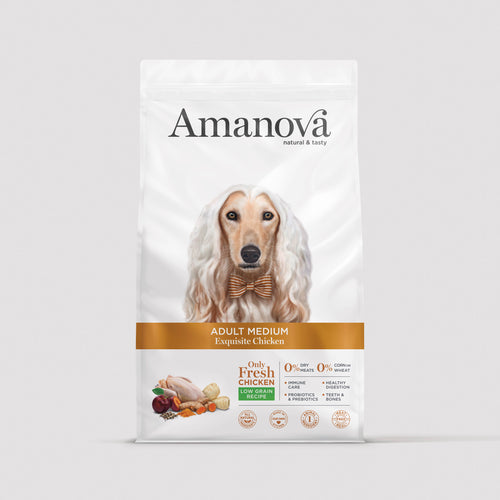
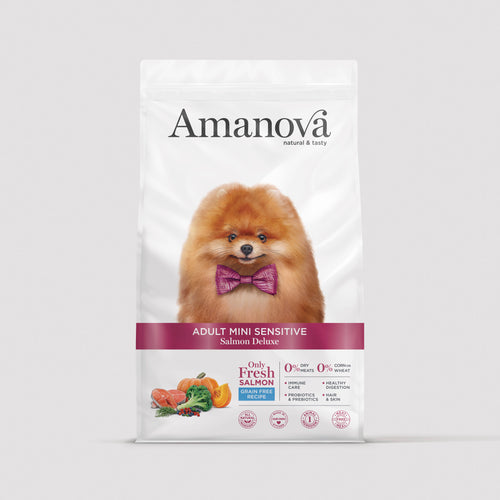
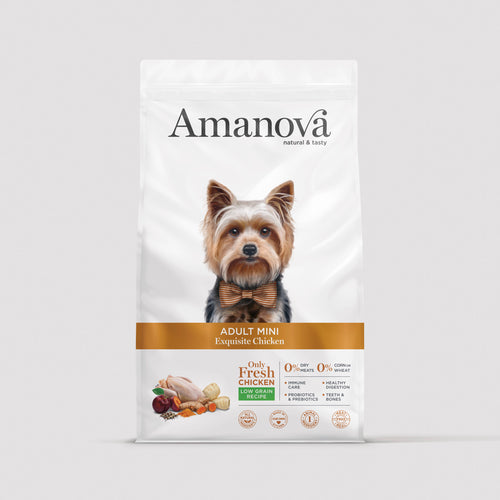
Why special nutrition after sterilisation matters
Specific foods for sterilised dogs are formulated to adapt to these new needs:
- Lower caloric density: less fat, same amount of food, same feeling of satiety
- Higher content of quality protein: to maintain muscle mass without providing extra calories
- Higher fibre content: helps increase the feeling of fullness and regulate intestinal transit
- Urinary health formulation: some foods for sterilised dogs include ingredients that promote an optimal urinary pH, as sterilised dogs are somewhat more prone to certain urinary tract problems
When to start using food for sterilised dogs
It is recommended to make the food change between 4 and 8 weeks after the operation, once the dog has recovered and its activity has returned to normal. Make the change gradually (10 days progressively mixing the new food with the previous one) to avoid digestive problems.
Additional tips to control the weight of the sterilised dog
- Weigh the daily ration: never serve by eye, always use a measuring cup or scales
- Divide the daily ration into two meals instead of one
- Reduce or eliminate extra caloric treats; if you use snacks for training, subtract them from the daily total
- Maintain daily exercise: sterilisation does not reduce the dog's need for physical activity
- Weight check every 2–3 months in the first year after the operation
Find the right food for your sterilised dog
Explore our selection of food for sterilised dogs, specifically formulated for the new metabolic needs of your dog. If your dog is already showing signs of overweight, it may be more appropriate to start with a light food; discover our options for light dry food for dogs. For dogs that have already developed obesity, there is a specific range of dry food for overweight dogs.


