
Canine parvovirus (CPV) is one of the most dangerous and contagious viral diseases that can affect dogs, especially unvaccinated puppies. Recognising the symptoms and acting quickly can make the difference between life and death for your pet.
What is canine parvovirus?
Canine parvovirus is a highly resistant virus that primarily attacks the digestive system and immune system of dogs. It is transmitted through direct contact with infected faeces or contaminated surfaces and can survive in the environment for months.
Symptoms of parvovirus in dogs
Symptoms usually appear between 3 and 7 days after exposure to the virus:
- Intense, repeated vomiting
- Bloody diarrhoea (haemorrhagic)
- Lethargy and extreme weakness
- Complete loss of appetite
- High fever or hypothermia
- Severe dehydration
Most vulnerable dogs
Although any unvaccinated dog can contract parvovirus, some breeds are particularly susceptible: Rottweiler, German Shepherd, Dobermann and Labrador Retriever. Puppies between 6 weeks and 6 months are most vulnerable because their immune system is not yet fully developed.
Diagnosis and treatment
Diagnosis is made through a rapid faecal antigen test and blood tests. There is no specific antiviral treatment: the goal is to control symptoms while the immune system fights the virus. Treatment includes intravenous fluid therapy, anti-emetics, antibiotics to prevent secondary infections and nutritional support.
Feeding during recovery
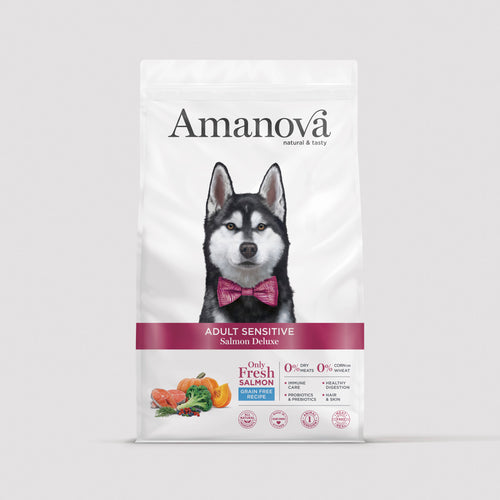
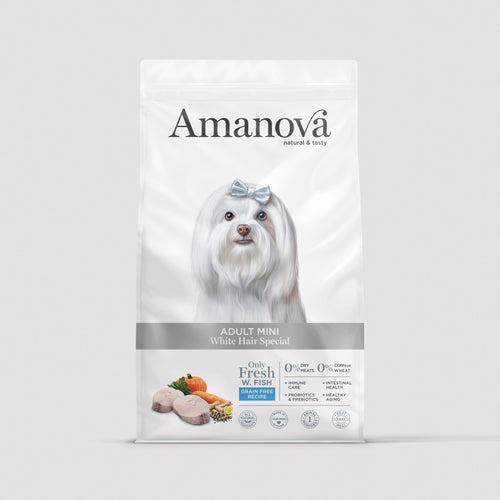
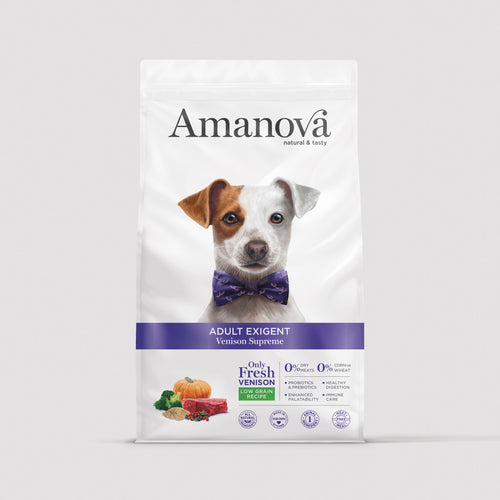
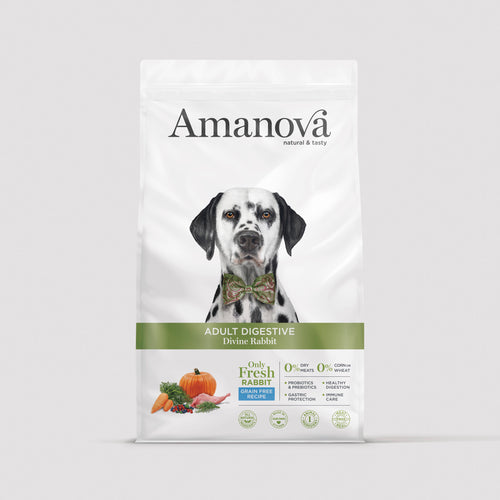
Once the acute phase is over, nutrition plays a fundamental role in recovery. It is essential to offer specific food for gastrointestinal problems that is highly digestible. Also read our tips on a bland diet for dogs during convalescence.
Prevention: vaccination is essential
The best protection against parvovirus is vaccination. The basic vaccination schedule includes several doses in the first months of life. In addition, maintaining a balanced, high-quality dog food diet strengthens the immune system and disease resistance.
When to see the vet?
If your dog is repeatedly vomiting, has bloody diarrhoea or is extremely lethargic, go to an emergency vet without delay. Parvovirus can be fatal within hours without adequate treatment.


