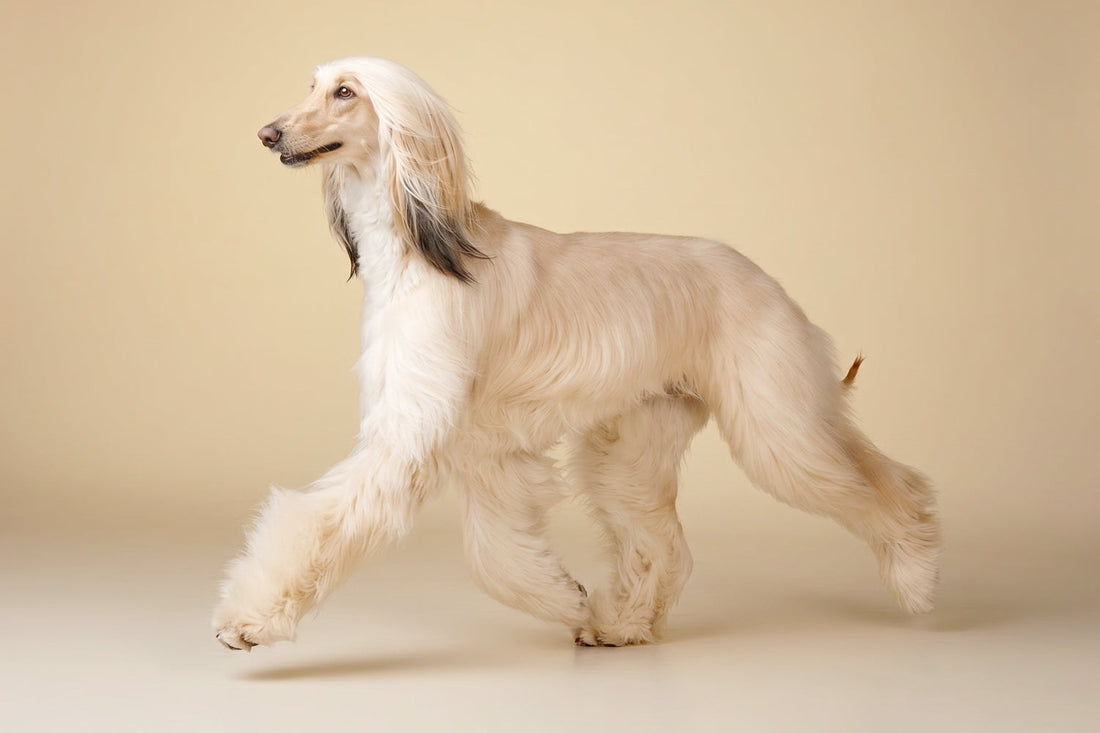
A pedigree is an official document that certifies a dog’s genealogy, that is, its recorded lineage over several generations. It is issued by an authorized entity (for example, the RSCE in Spain) and serves as proof that the dog belongs to a specific breed and meets physical, behavioral, and health standards. Although not all dogs need a pedigree, understanding its value can help you make better decisions as an owner or breeder.
Dog pedigree: meaning, advantages, and when it really matters
What does it mean for a dog to have a pedigree?
When we say a dog has a pedigree, it means that its ancestry is documented and recognized by an official entity. This implies that parents, grandparents, and great-grandparents belong to the same breed and are registered in regulated genealogical records. A pedigree does not only indicate breed “purity”; it also reflects compliance with morphological and temperament standards.
The certificate usually includes the registered name, identification number, family line, and responsible breeder. Sometimes it also lists titles or recognitions if the ancestors participated in beauty shows, working trials, or functional tests. This is especially relevant when lineage affects behavior, performance, or health.
Does my dog need to have a pedigree?
Having a dog without a pedigree does not mean it is worth less, is less healthy, or deserves less love. Many dogs without certification are excellent, healthy, and well-balanced companions. A pedigree mainly provides traceability and control of the genetic line; it matters most if you are looking for responsible breeding or competition.
That said, there are contexts where it can make a real difference: if you are looking for working qualities (hunting, herding, or sports) or greater certainty about hereditary traits (predisposition to diseases or behavior). It also helps preserve breeds and avoid unsuitable crosses or genetic problems.
Advantages of dogs with a pedigree
It is not essential for all owners, but it can provide concrete benefits when you need greater traceability and control over genetics, temperament, and health.
Clear knowledge of ancestry
It allows you to know the dog’s lineage (parents, grandparents, and great-grandparents), with greater predictability regarding genetics, expected behavior, and hereditary risks.
Greater traceability of health and diseases
Responsible breeders work with lines screened for hereditary conditions. For this reason, a dog with a pedigree is more likely to have been selected based on health and welfare criteria, reducing the risk of congenital diseases.
Participation in shows and sports
To compete in many official shows or working trials, pedigree registration is required to ensure comparable conditions within the breed.
Guarantee in responsible breeding
It is key for breeders: it facilitates ethical and legal control of reproduction, preventing inbreeding and unwanted deviations, and helps improve the genetic health of future litters.
When does it really matter for a dog to have a pedigree?
It matters especially in three cases: ethical and regulated breeding, official competition (beauty or working), and selection for specific tasks. If you are looking for very specific traits (hunting instinct, learning ability, emotional balance, or lower risk of certain conditions), a pedigree provides greater assurance.
If you simply want a companion and breed is not a priority, love doesn’t need paperwork. What truly matters is health, environment, and care. A pedigree adds technical value, but it does not define emotional value or a dog’s ability to be “one of the family.”
Disadvantages and myths about pedigrees
Main disadvantages of dogs with pedigrees
Although it provides traceability and certain guarantees, it is not all advantages. It has limitations and can be associated with problems if not managed responsibly. It depends on the breeder, the context, and subsequent care.
Risk of inbreeding in some lines
Some overly closed lines can increase the risk of hereditary diseases. That is why it is essential to choose ethical breeders who prioritize genetic health over aesthetics.
Higher price
They usually come with a higher cost due to certification and controlled breeding. Be careful: that price does not always translate into better health or behavior.
Limitation of genetic diversity
Pursuing breed purity can reduce genetic variability and affect disease resistance or adaptability. That is why some owners prefer mixed-breed dogs or those without pedigrees.
Focus on aesthetics over welfare
In some shows, strict aesthetic standards are prioritized. This can encourage unnatural breeding practices that place appearance above welfare or functionality.
Myths about dogs with pedigrees
Pedigrees often generate misunderstandings. The most common are:
A dog with a pedigree is always better
. Not necessarily: it depends on environment, health, and training.Dogs without pedigrees are strays or dangerous
. False: many are well-balanced, healthy, and sociable.If it has a pedigree, it will not get sick
. Having a pedigree does not guarantee the absence of disease.A pedigree ensures a perfect temperament
. Character also depends on socialization and environment.All breeders who provide pedigrees are responsible
. Some are; others are only profit-driven.
Give your beloved companion the best with OnlyFresh dog food
At OnlyFresh, we believe that every dog, pedigree or not, deserves quality nutrition. That’s why we create recipes tailored to different needs, with natural ingredients and fresh meat as the base. What matters is not their origin, but what you give them every day to live healthy, happy, and balanced.
Whether you live with a pedigree dog or have adopted a mixed-breed, in our store you will find dog food for all ages, sizes, and dietary sensitivities. From fiber-rich or low-fat recipes to salmon or turkey kibbles, or formulas for neutered dogs. Take care of your dog as they deserve, choosing natural nutrition with OnlyFresh.