
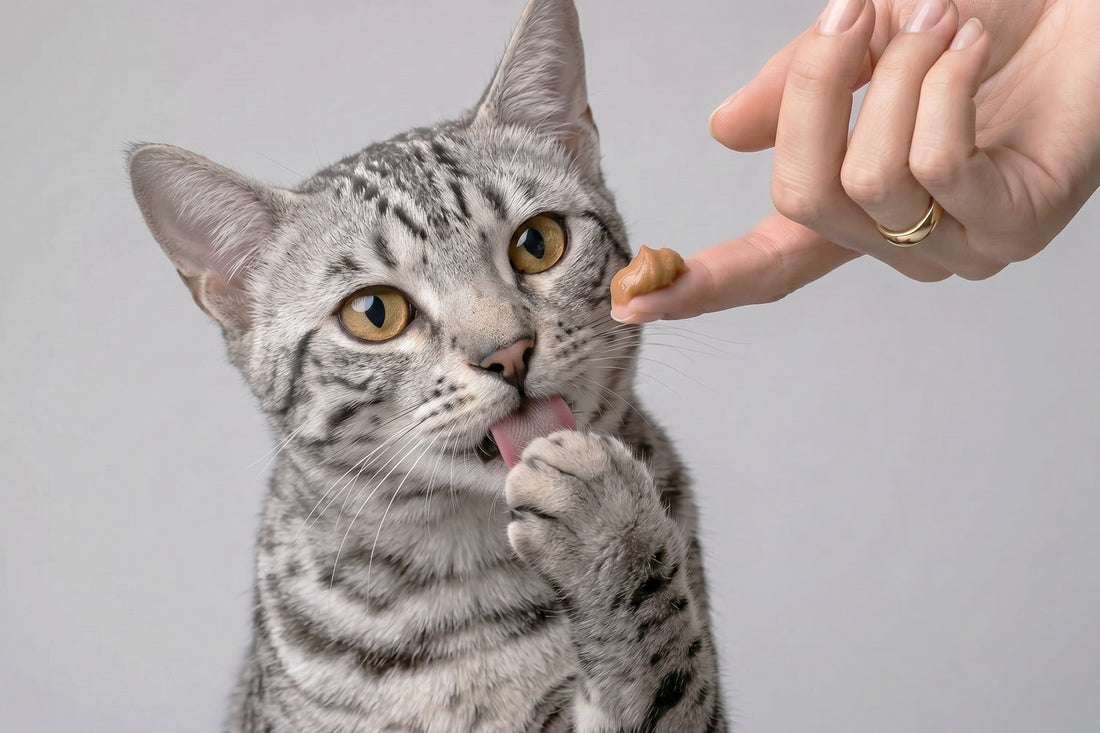
The cat malt paste is one of those products that often goes unnoticed… until your cat starts vomiting hairballs or experiencing digestive issues. This dense-textured paste, specially formulated for them, can make a real difference in their intestinal health and overall well-being. At Onlyfresh, specialists in providing the best cat food, we explain what it is, why it’s so useful, and how to give it correctly, so you can help your feline feel better from the inside out.
What is cat malt and why is it key for digestive wellness?
What exactly is cat malt?
Cat malt is a semi-solid paste made mainly from malt extract, vegetable oils and natural fibres. Most cats find its flavour appealing, and it is presented as a type of functional treat. It is not a medicine but rather a dietary supplement designed to support intestinal transit and prevent the buildup of hairballs in the digestive tract.
When cats groom themselves—which they do several times a day—they ingest a significant amount of loose fur, which can create blockages if it is not properly eliminated. Malt acts as a natural intestinal lubricant, helping the hair move through the digestive system and exit through the stool instead of causing vomiting or stomach discomfort.
What is cat malt used for?
The main purpose of malt is to prevent and combat the formation of hairballs (trichobezoars) in the stomach and intestines. Without this support, many cats—especially long-haired breeds or indoor cats—can accumulate hair in their digestive system, leading to symptoms such as frequent vomiting, constipation, lack of appetite or general discomfort.
Malt can also be useful as occasional digestive support for cats with slow transit, helping improve intestinal motility. In some cases, it is also used as a tool to hide medication thanks to its dense texture and appealing flavour. Although it does not replace a balanced diet, it is a highly effective preventive resource for routine cat care.
Benefits of cat malt
Prevents hairball formation
The most evident benefit of malt is that it facilitates the natural elimination of ingested hair during grooming, particularly during shedding seasons or in long-haired breeds like Persians or Maine Coons. When hair accumulates in the stomach, it can form balls that cause vomiting, nausea or even blockages. Acting as a lubricant, malt helps the hair move through the intestinal tract and be expelled in the stool, preventing it from becoming trapped in the stomach.
Improves intestinal transit
Thanks to its composition rich in natural fibres and vegetable oils, malt not only helps carry the hair through the digestive tract but also stimulates intestinal movement, helping prevent constipation or mild digestive disorders. In cats with slow transit, it can act as a gentle regulator, improving the frequency and consistency of stools. This is especially useful for older or sedentary cats whose digestive system becomes slower over time.
Reduces vomiting and stomach discomfort
By eliminating excess hair through the digestive tract rather than through vomiting, malt helps significantly reduce retching, regurgitation and digestive discomfort that many cats experience daily. This results in a calmer routine and better overall well-being. Fewer vomiting episodes also mean less stress for the animal… and for the person cleaning the floor. Additionally, it helps prevent irritation of the oesophagus and stomach caused by repeated vomiting efforts.
Adds value during shedding or stressful periods
During certain times of the year, such as spring or autumn, or during stressful moments (moving house, renovations, new pets…), cats tend to groom themselves more, which dramatically increases hair intake. Malt becomes an essential support during these periods, helping counteract this excess without modifying the cat’s diet or routine. It is a simple solution that can make a big difference in their digestive comfort.
May help with medication administration
Although not its main purpose, the dense texture and pleasant taste of malt allow many caregivers to use it as a vehicle to hide pills or supplements. By mixing the medication with a small amount of malt, administration becomes easier and avoids the usual rejection seen with other methods. This tactic is especially helpful for cats that are difficult to medicate, as it reduces stress and improves treatment compliance without forcing the animal.
How to give malt to a cat
The most common way to administer malt is to offer it directly as a paste, placing a small amount on the cat’s paw or around the mouth so they lick it by instinct. Many cats enjoy the flavour, so they may willingly take it from a spoon or directly from the tube. If not, you can mix it with a little wet food or place it somewhere they associate with something positive, such as their scratcher or resting area.
The key is to introduce it gradually and observe how your cat reacts. If they are not used to it, they may need several attempts before accepting it as part of their routine. Never force it or give excessively. Consistency is what matters: offering it regularly, without turning it into an obligation, is the best way to enjoy its benefits without causing rejection.
How much malt can a cat take?
The ideal amount depends on the cat’s size, coat length and grooming habits, but the usual recommendation is between 2 and 5 cm of paste, 2 to 4 times per week. During shedding seasons or for cats prone to hairballs, frequency can be increased (even daily for a few days), but always in moderation and without replacing a complete diet. If you notice changes in stools, frequent vomiting or any unusual reaction, consult a veterinarian before continuing.
Take care of your cat with the best nutrition from Onlyfresh
At Onlyfresh, we know your cat’s well-being starts with good digestion. That’s why our food formulas are designed to deliver natural, complete and balanced nutrition, using high-quality ingredients with no by-products. Intestinal health, coat quality and energy levels improve significantly when food is tailored to their needs.
Additionally, if your cat tends to develop hairballs, has slow transit or shows abdominal sensitivity, you can find high-fibre options with functional ingredients such as prebiotics and natural oils that complement the use of malt perfectly. Give your cat what they need to live healthy, happy… and free from digestive discomfort. Discover our full range of cat food and ensure your feline’s well-being.


