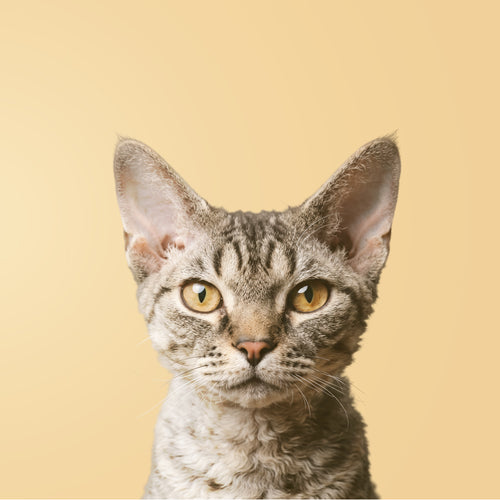
Bombay
Features


Origins
Characteristics and aptitudes
The Bombay is a sociable, affectionate and intelligent cat. It loves human company and behaves almost like a dog: follows its family, learns its name and can learn simple tricks. Gets along well with children and other animals. Its soft voice and love of laps make it an ideal companion.
Care
The Bombay needs mental stimulation: interactive toys and daily play sessions. Adapts well to apartment living. Cannot cope well with long periods alone; a second pet is recommended if the owner is often away. Cat trees, climbing spaces and windows enrich its environment.
Most common diseases
The most common health conditions in the Bombay cat:
- Hypertrophic cardiomyopathy (HCM): annual echocardiography from age 2. Genetic test for MYBPC3 mutation.
- Cranio-facial defect: may affect breathing in round-skulled individuals.
- Hypokalaemia: periodic blood tests recommended.
- Obesity: portion control to prevent diabetes.
Discover our cat food formulated with high-quality proteins.
Learn more about preventing and managing diabetes in cats, a common complication in overweight cats like the Bombay.