German Spitz
Features


Origins
The German Spitz is one of the oldest dog breeds in Europe, with roots tracing back to prehistoric Nordic dogs. Its ancestors arrived with Germanic tribes and settled in northern Europe, where they served as guard dogs and companions. The Fédération Cynologique Internationale (FCI) recognises several varieties of the Spitz by size, with the Medium variety being one of the most balanced and popular.
During the Middle Ages, the German Spitz was widely popular in rural and urban German households, where its alertness and loud bark made it an efficient guardian of properties and farms. In the 19th century, Queen Victoria of England helped popularise the miniature version (the Pomeranian), but the German Medium Spitz maintained its presence as a family dog across the European continent.
Today, the German Medium Spitz is valued primarily as a companion dog for its affectionate character and majestic appearance. Although less well-known than the Pomeranian, it shares many of its best qualities in a sturdier form. Its popularity continues to grow across Europe thanks to its versatility and great adaptability.
Characteristics and aptitudes
The German Medium Spitz is a compact, well-proportioned dog. Males reach a height of between 43 and 50 cm and a weight of between 8 and 15 kg, while females are slightly smaller. Its most striking feature is its abundant double coat with a long, straight outer coat that forms a characteristic mane around the neck and chest.
The expression is lively and intelligent, with dark almond-shaped eyes and small, erect triangular ears. The tail curled over the back is another distinctive trait. It can appear in a wide variety of colours: black, brown, orange, wolf grey, cream and white, making it a particularly attractive breed.
In terms of temperament, the German Spitz is loyal, alert and lively. It is very attached to its family and can be reserved with strangers, making it an excellent watchdog. Its intelligence facilitates training, and it gets along well with children and other animals when properly socialised from puppyhood.
Care
The German Medium Spitz has a moderate energy level and needs daily exercise to stay healthy and balanced. Two daily walks of medium duration, supplemented by outdoor games, are sufficient. It adapts well to both apartments and houses with gardens, as long as it receives appropriate physical activity.
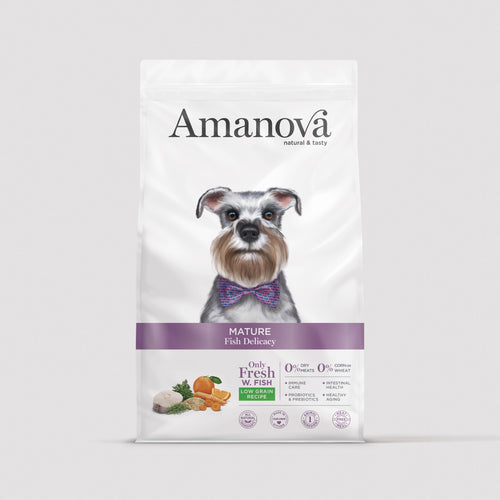
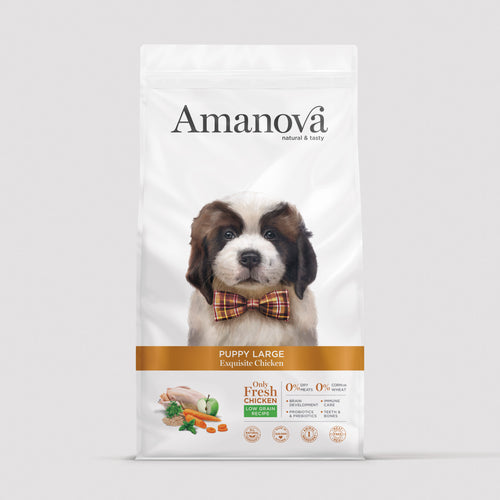
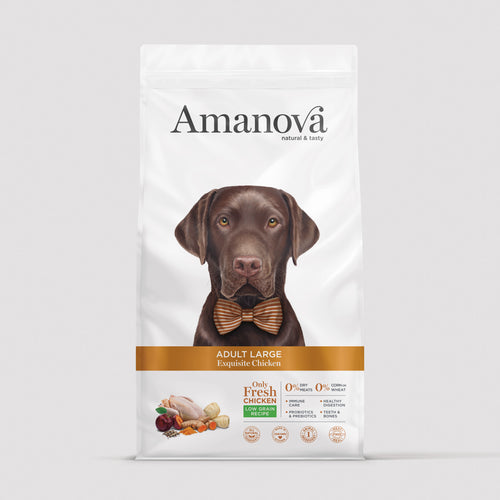
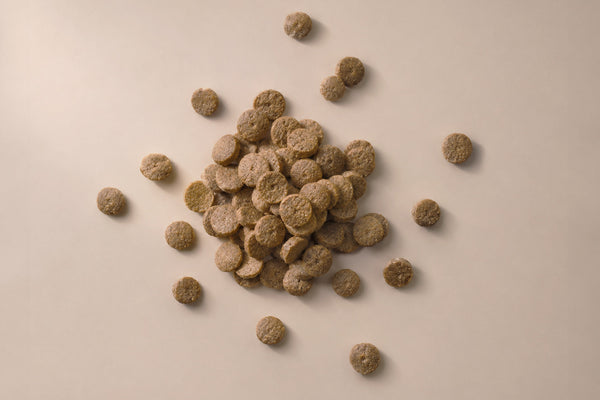
Its diet should be high quality, with natural, protein-rich ingredients adapted to its size and activity level. Special attention must be paid to portion sizes to avoid overweight, dividing the daily intake into two meals. Good food adapted to its life stage will ensure muscle health and vitality.
Caring for the German Spitz's coat requires constant attention: brushing two to three times a week is needed to prevent tangles and remove dead hair. During seasonal moulting periods, daily brushing is required. Regular ear checks, dental hygiene and nail care are also essential.
Most common diseases
Although the German Spitz is generally a robust and healthy breed, it can be prone to hip dysplasia, a condition causing mobility problems and joint pain. Maintaining an appropriate weight and regular radiological checks are key preventive measures. Moderate exercise and a balanced diet contribute significantly to reducing the risk.
Patellar luxation is another common problem in medium-sized breeds. In mild cases no treatment is required; in more serious cases surgical intervention may be necessary. Early detection through regular veterinary check-ups is essential for the animal's quality of life.
Progressive retinal atrophy (PRA) is an inherited disease causing gradual vision loss. Although there is no cure, affected dogs can adapt well if the disease is detected early. Regular eye examinations are recommended, especially for breeding animals. The German Spitz's life expectancy is between 13 and 15 years with proper care.
A balanced, high-quality diet is the foundation of your dog's health. Discover our selection of dog food.