
With the arrival of autumn, many owners notice that their dog's coat loses its shine, the skin dries out and shedding visibly increases. It's easy to attribute this to the seasonal change, but the reality is more complex: what your dog eats has a direct influence on the health of their skin and coat. Understanding why this deterioration occurs in autumn, and what you can do through nutrition, can make the difference between a well-groomed dog and one that looks dull for months.
Why do a dog's skin and coat change in autumn?
The autumn shed: a natural change in coat
In autumn, dogs go through a seasonal shed: the body prepares the winter coat by eliminating the summer coat. This process is completely normal and lasts between three and eight weeks. However, if the coat falls excessively, appears in patches or new coat takes long to grow with shine, nutrition may be playing a key role.
Heating dries the indoor environment
When we turn on the heating, the relative humidity of the air at home drops drastically. This affects both human skin and dogs: the skin barrier loses moisture, flakes appear and the coat becomes brittle. This factor is often underestimated, but can be countered with a diet rich in essential fatty acids.
Hormonal changes due to fewer daylight hours
Melatonin and other hormones related to light-dark cycles directly influence the hair follicle cycle. With fewer hours of light, some dogs experience a more intense shed and more reactive skin. This response can worsen if the diet does not provide the necessary nutrients to sustain skin regeneration.
Accumulated nutritional deficiency
Summer can leave deficiencies: heat, intense exercise and not always balanced diets may have reduced omega-3, zinc and biotin levels available in the body. Autumn is when these accumulated deficiencies become visible on skin and coat.
The fundamental role of nutrition
Omega-3 (EPA and DHA): the basis of healthy skin
Omega-3 fatty acids, especially EPA and DHA of marine origin, act directly on the cell membrane of the skin and hair follicle. They reduce skin inflammation, improve the hydration of the skin barrier and contribute to thicker and shinier coat growth. Their effect is not immediate — four to eight weeks are needed to notice visible improvements — but it is one of the best supported effects in the veterinary literature.
What to look for on the label
Not all dry foods provide omega-3 in sufficient quantities. Look for formulas that indicate the percentage of total fatty acids and, within them, the proportion of EPA and DHA. Origin matters: cold-water fish oil (salmon, sardine, herring) is more bioavailable than flaxseed or chia oil for dogs, which have limited conversion capacity.
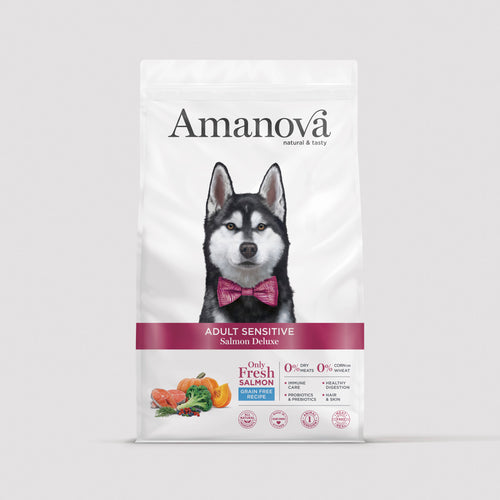
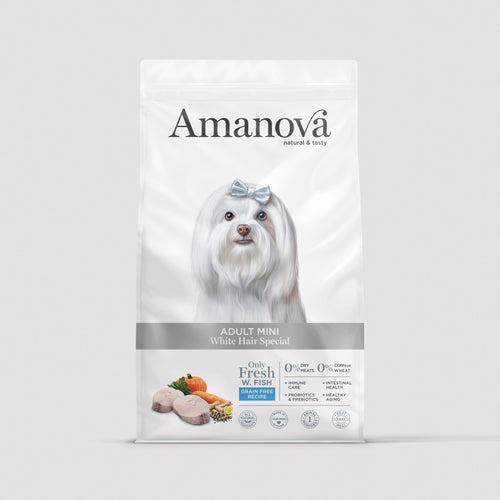
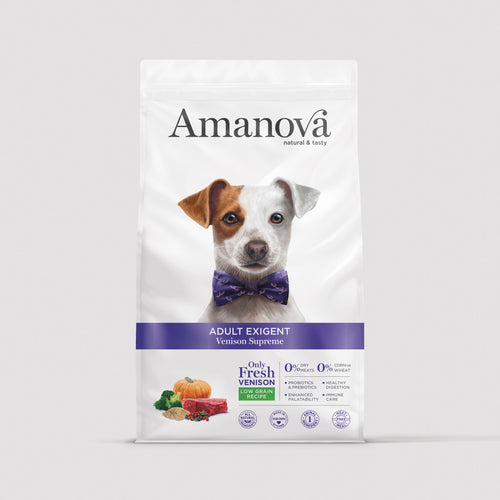
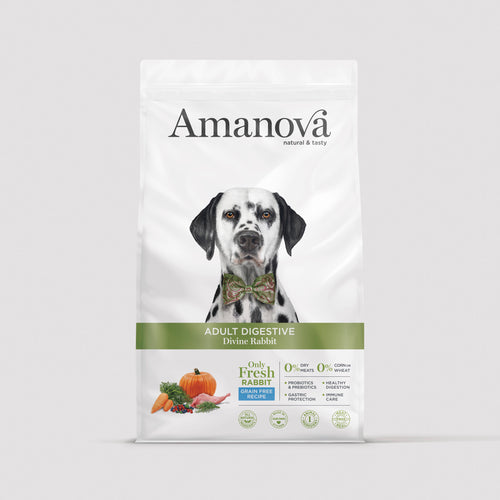
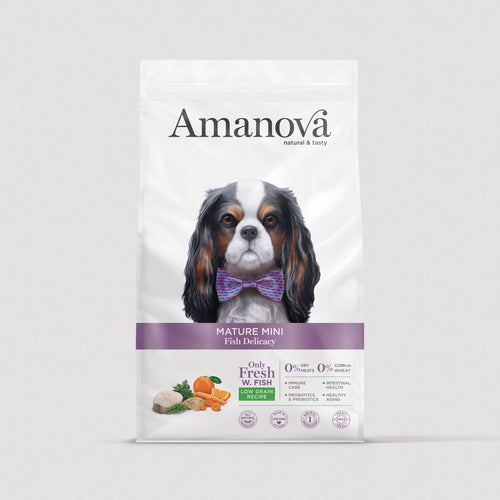
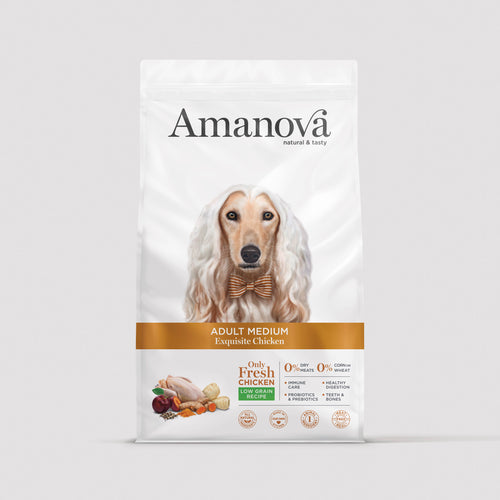
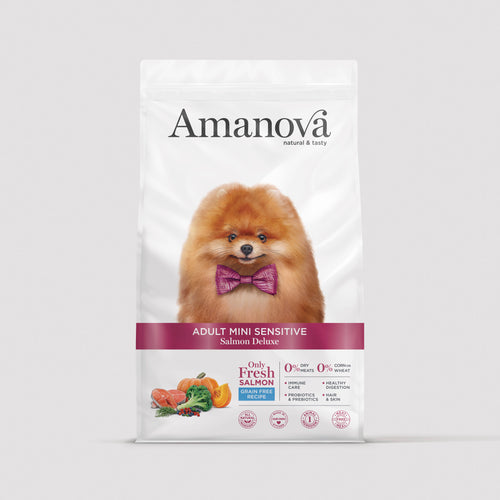
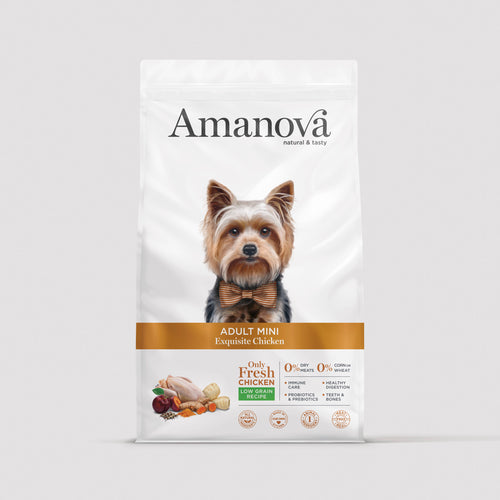
If you're looking for dry food specifically formulated to support skin and coat health, check out our selection of dry food for dogs with skin and coat problems.
Specific supplements for skin and coat
Salmon or sardine oil
Fish oil is the most effective and simplest supplement to add to the diet to improve skin condition in autumn. The guideline dose is 50-100 mg EPA+DHA per kilogram of body weight per day. It can be added directly over the dry food. Choose quality oils, with purity guarantees and without heavy metals.
Biotin and B vitamins
Biotin (vitamin B7) is essential for coat keratinization and epidermis regeneration. A biotin deficiency manifests exactly as many owners see in autumn: dull coat, flaking skin and brittle nails. B vitamin complexes also contribute to the energy metabolism of skin cells.
Zinc: key micronutrient for skin regeneration
Zinc is involved in the synthesis of structural skin proteins and has anti-inflammatory properties. Some breeds have a genetic predisposition to zinc-sensitive dermatosis, but in autumn any dog can benefit from adequate intake. Look for chelated forms (zinc bisglycinate) for better absorption.
Explore our range of supplements for dogs, including fish oils, biotin complexes and minerals formulated for dermatological health.
External care that complements nutrition
More frequent brushing during shedding
In autumn, brushing your dog more frequently is not just a matter of aesthetics: it removes dead hair, stimulates circulation in the skin and distributes the coat's natural oils. Depending on breed and coat type, it may be appropriate to switch from weekly to daily brushing during the most intense shedding weeks.
Baths: frequency and suitable products
Excessive bathing or with inadequate shampoos can worsen skin dryness. In autumn, the ideal is to space out baths and use specific shampoos for dry or sensitive skin, with ingredients such as colloidal oats, aloe vera or natural oils. Avoid products with aggressive sulfates that remove the protective lipid layer.
Humidifiers at home
Maintaining a relative humidity of 40-50% indoors during the heating months benefits both the dog's skin and that of the whole family. It's a simple, cost-effective measure especially useful for thin-skinned breeds or those prone to dermatitis.
When dry skin may indicate a health problem
In most cases, dry skin and dull coat in autumn have a nutritional or environmental cause that resolves with the described changes. However, there are situations that require veterinary assessment:
- Hypothyroidism: decreased thyroid function is more common in medium and large breeds from 4-5 years of age. Symptoms include dry, dull coat, weight gain without dietary changes, lethargy and thickened skin. A routine blood test can rule it out.
- Food allergies: if the skin worsens coinciding with the seasonal change, a food intolerance may be manifesting. Unlike seasonal dry skin, allergies often present with intense itching, redness and repeated lesions. Breeds like the Golden Retriever or the French Bulldog have greater genetic predisposition to allergic dermatitis.
- Dermatitis: normal dry skin produces small white flakes. Seborrhoeic dermatitis causes yellowish or greasy flakes, bad odour and irritated areas, and requires specific veterinary diagnosis and treatment.
If symptoms do not improve after four to six weeks of dietary adjustment, or if signs such as persistent itching, skin lesions or coat loss in defined areas appear, consult your vet.
Nutrition is the most powerful tool you have to maintain your dog's shiny coat and healthy skin. Good dry food rich in omega-3 and, if necessary, a specific supplement, can make a visible difference within a few weeks.


