
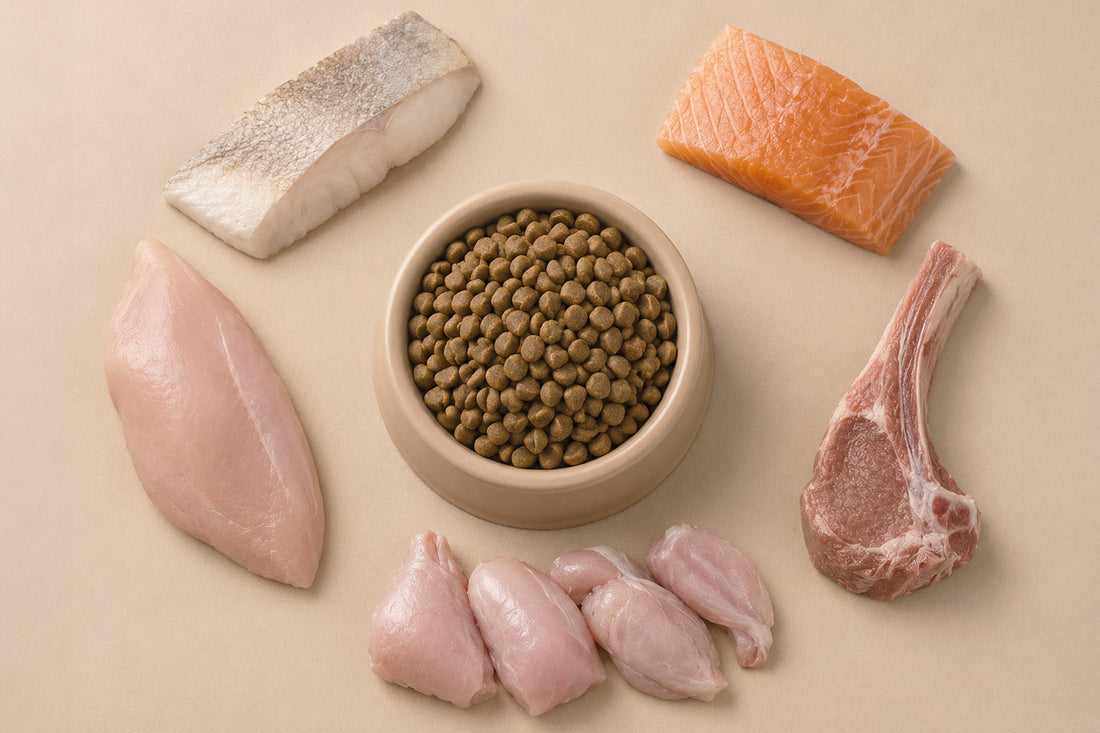
Cats can develop food allergies or intolerances throughout their life, even with a diet they have followed for years. When faced with persistent symptoms such as itching, digestive problems or poor coat condition, hypoallergenic cat food may be the solution your vet recommends.
When does your cat need hypoallergenic food?
Food allergies in cats occur when the immune system reacts excessively to a protein or another ingredient in the diet. The most common symptoms are:
- Intense and chronic itching, especially on the head, neck and ears.
- Skin problems: dermatitis, redness, crusts or hair loss.
- Recurring digestive disorders: frequent vomiting, diarrhoea or soft stools without apparent cause.
- Weight loss or poor development, especially in kittens.
If your cat shows several of these symptoms continuously, consult your vet. Only a correct diagnosis — which may include an elimination diet lasting 8-12 weeks — can confirm whether the cause is dietary.
Key features of good hypoallergenic cat food
Single animal protein source (monoprotein)
Most feline allergies are caused by a specific protein. A monoprotein food drastically reduces the chances of reactions. Proteins rarely used in the cat's usual diet (rabbit, venison, duck, wild boar or insects) are particularly useful in elimination protocols.
Hydrolysed protein
In foods with hydrolysed protein, protein molecules are broken down into fragments so small that the immune system does not recognise them as allergens. Particularly effective in confirmed allergy cases.
Grain-free and gluten-free
Many hypoallergenic foods avoid grains such as wheat, corn and soy to reduce the risk of intolerance and improve digestibility.
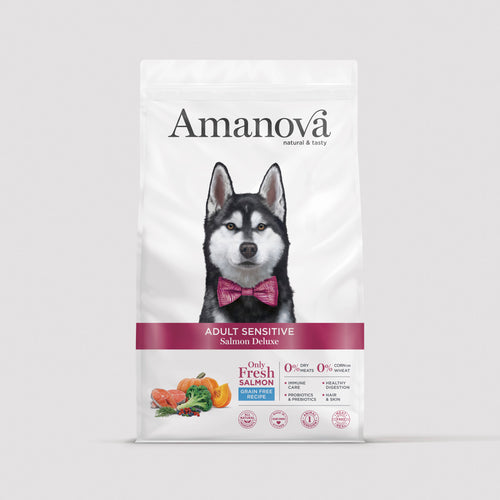
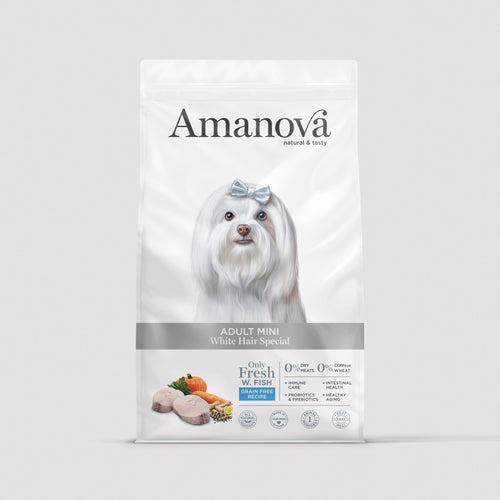
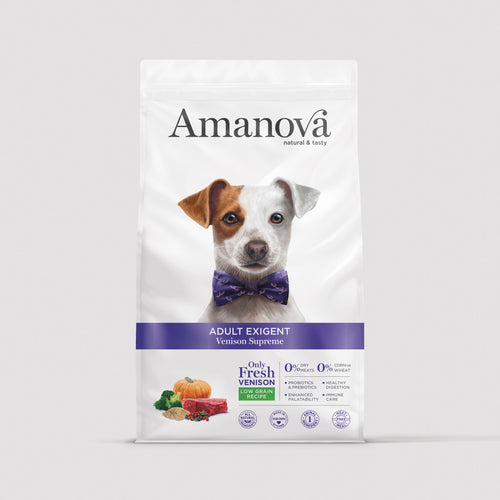
Easily digestible ingredients without artificial additives
Quality food uses fresh, natural ingredients without colorants or preservatives. High digestibility is essential for cats prone to allergies.
Dry food or hypoallergenic wet food?
Both formats can be hypoallergenic. Hypoallergenic wet food offers an added benefit: its high water content improves hydration and promotes gentler digestion.
How to transition to hypoallergenic food
The transition should be gradual over 7 to 10 days:
- Days 1-3: 75% old food + 25% hypoallergenic.
- Days 4-6: 50% + 50%.
- Days 7-10: 25% old + 75% hypoallergenic.
- From day 11: 100% hypoallergenic food.
Frequently asked questions
How long does it take for a cat to improve on hypoallergenic food?
Digestive symptoms usually improve within 2-4 weeks. Skin symptoms may take 6-12 weeks. Elimination diets are maintained for at least 8 weeks before drawing conclusions.
Can I give hypoallergenic food to a healthy cat as prevention?
Yes. High-quality hypoallergenic food is suitable for any cat and also benefits cats with sensitive stomachs.
Is hypoallergenic food suitable for neutered cats?
There are specific formulations for neutered cats. Your vet can recommend the most suitable one.


