
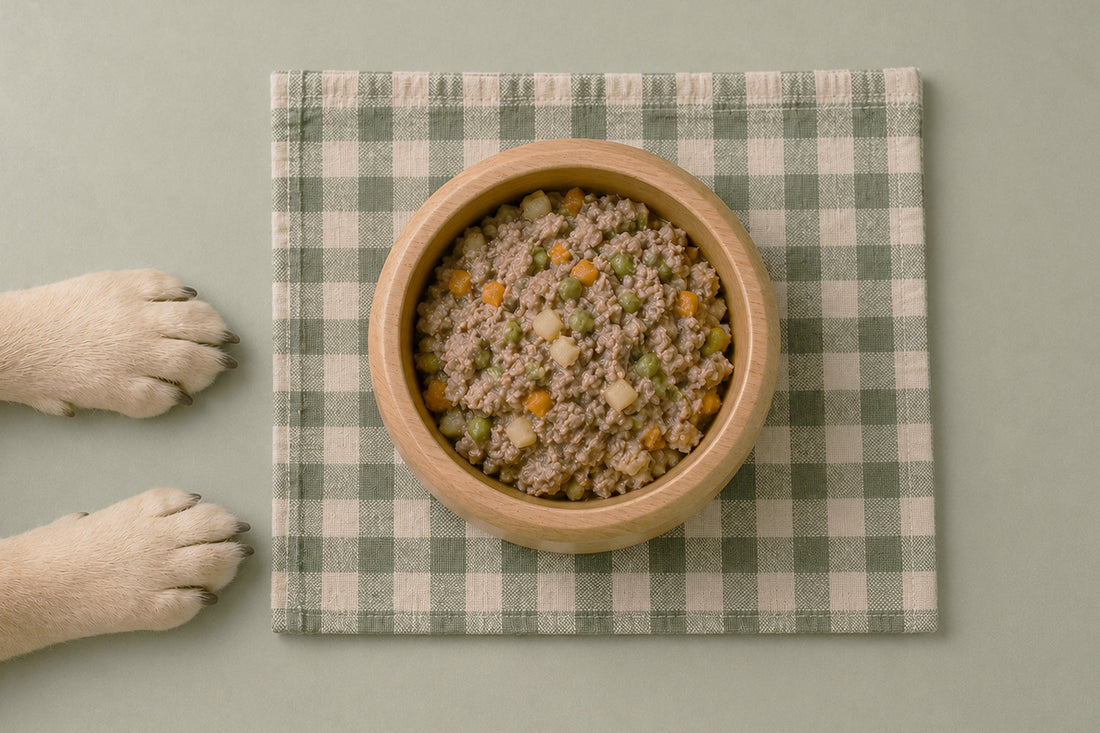
Homemade dog food is an increasingly popular option for people who want to take an active role in their dog's nutrition. Cooking at home lets you control the ingredients, choose fresh foods and tailor meals to specific needs. What's more, there are now natural dog food options made with high-quality fresh ingredients.
However, not just anything works. Feeding a dog leftovers or improvised recipes can lead to nutritional imbalances in the medium to long term. That's why, if you're thinking about introducing natural food into your dog's routine, it's essential to do it with sound judgement, information and planning. In this guide, we explain the benefits, risks, proper proportions and balanced recipes to help you get started safely.
Is homemade dog food healthier?
The short answer is: it depends on how it's done.
Homemade food can be very healthy if it's well formulated and meets all of a dog's nutritional needs. But if it isn't planned correctly, it can cause deficiencies in vitamins, minerals or essential amino acids.
A dog doesn't just need "natural food", but a balanced diet that includes:
- High-quality proteins
- Healthy fats
- Carbohydrates in the right proportion
- Fibre
- Vitamins and minerals
Every dog is different. Age, weight, activity level, breed and even certain health conditions affect their requirements. That's why, before permanently replacing your dog's usual diet with homemade food, it's advisable to consult a vet or a pet nutrition specialist.
Benefits of homemade dog food
When done properly, natural feeding offers some interesting advantages.
Full control of ingredients
You know exactly what your dog is eating. You can avoid unnecessary additives, artificial preservatives or ingredients you don't trust.
Fresh, high-quality ingredients
Working with fresh foods can improve palatability and support better digestion in many dogs.
A personalised diet
It allows you to adapt recipes for:
- Dogs with food allergies
- Sensitive digestion
- Specific energy needs
- Weight issues
A stronger bond
Preparing your dog's food is also a form of mindful care. Many people feel a stronger connection when they get involved in their dog's nutrition.
Risks of feeding only homemade food
Understanding the potential risks is just as important as knowing the benefits.
Nutritional imbalances
The most common mistake is offering meals based only on meat or, on the other hand, overly high in carbohydrates. Dogs need specific proportions.
As a general guideline, a balanced distribution is usually around:
- 40–50% protein
- 20–30% carbohydrates
- 10–20% suitable vegetables and fruit
- Healthy fats in small amounts
Not respecting these proportions can lead to deficiencies over time.
Too much of certain ingredients
Some foods that are healthy in small amounts can become problematic if overused, such as too much fat or fibre, which can cause diarrhoea or digestive overload.
Lack of supplementation
In many cases, homemade diets need specific supplements such as calcium, omega-3 or other micronutrients. This should be assessed by a professional.
Foods to avoid in homemade dog food
Some common kitchen ingredients can be dangerous for dogs. The most important ones to avoid include:
- Chocolate
- Onion and garlic (raw, cooked or powdered)
- Grapes and raisins
- Avocado
- Macadamia nuts
- Sweeteners such as xylitol
- Cooked bones (they can splinter)
If in doubt, it's better not to improvise. A food that's harmless to humans isn't always safe for a dog.
Recommended ingredients for homemade recipes
Lean proteins
- Chicken
- Turkey
- Lean beef
- White fish
- Sardines in water
Easy-to-digest carbohydrates
- White or brown rice (in moderation)
- Oats
- Quinoa
- Wholewheat pasta occasionally
Dog-safe vegetables
- Carrot
- Pumpkin
- Courgette
- Spinach
- Broccoli
- Peas
Healthy fats
- Olive oil in small amounts
- Coconut oil
- Omega-3-rich fish
Homemade dog food recipes
1. Rice with chicken and vegetables
Cook the rice until fully done. Boil or steam the chicken and shred it. Steam the vegetables and mix everything once it has cooled to lukewarm. Add the oil at the end.
2. Turkey with sweet potato and broccoli
Boil the sweet potato until soft. Cook the turkey without salt or seasoning. Add the steamed broccoli and mix everything together.
3. Fish with quinoa and courgette
Cook the quinoa. Steam the fish and remove any bones. Add the cooked courgette and mix.
Practical tips before switching to homemade food
Get professional advice, especially if your dog has a health condition, is a puppy or is a senior. Adjust portions to their weight and activity level. Store the food in airtight containers in the fridge and use it within 48–72 hours.
Homemade food or complete natural nutrition?
Homemade food can be an excellent option if you have the time, knowledge and planning. However, it isn't always easy to maintain nutritional balance in the long term.
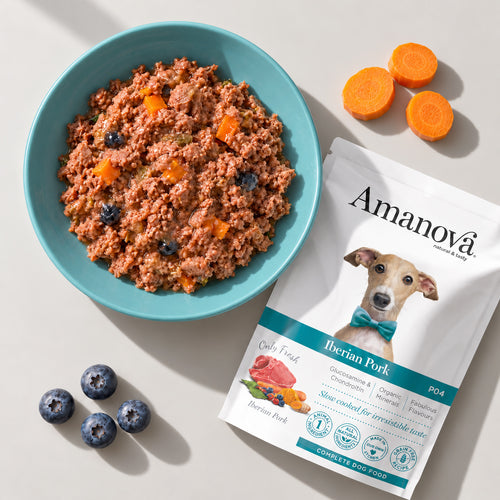
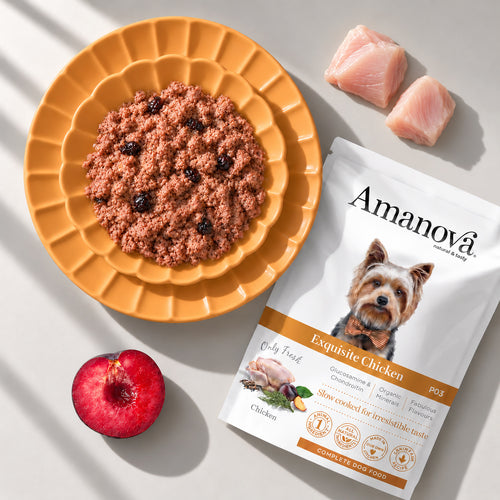
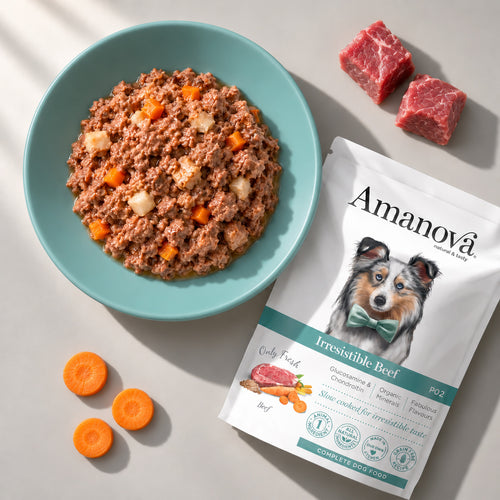
That's why many families choose to combine homemade recipes with complete natural food options, formulated by specialists and made with high-quality ingredients.
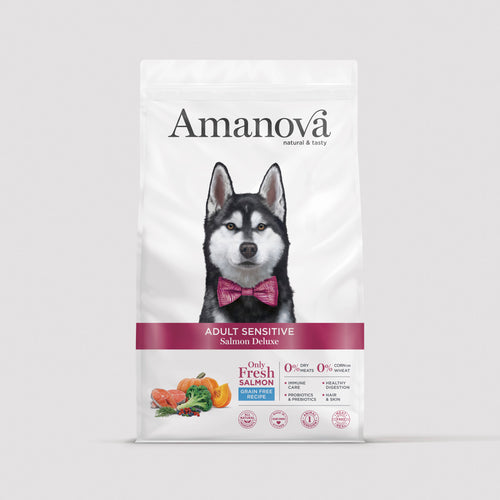
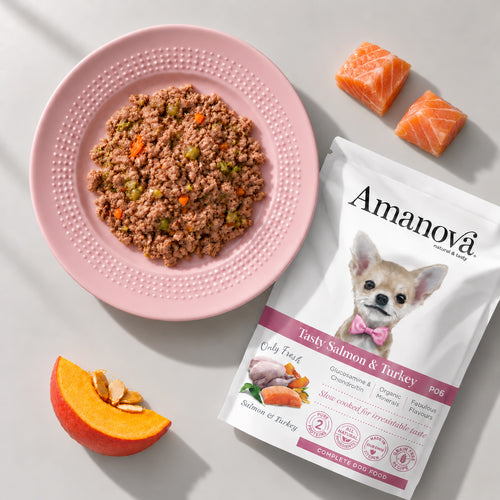
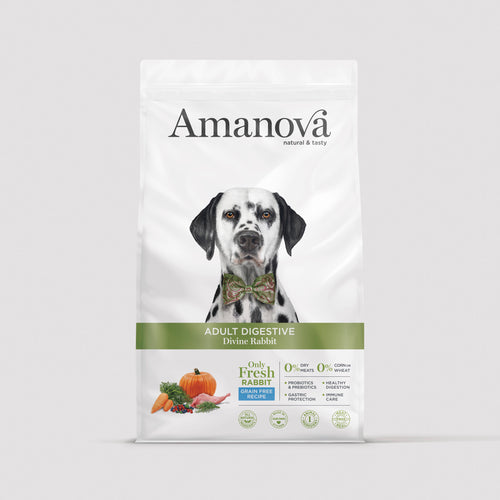
Well-known brands such as Harper and Bone, Amanova and TrovetPlus develop balanced recipes focused on digestive wellbeing and long-term health. They're interesting alternatives if you want natural ingredients without giving up nutritional rigour.


