
The term natural cat food appears on many brands, but it doesn't always mean the same thing. Understanding what characteristics truly define a natural food helps you make a better decision for your feline's health.
What is natural cat food?
Natural cat food is based on minimally processed ingredients, without artificial colours, synthetic preservatives or added flavourings. Animal protein takes the top spot on the ingredient list, reflecting the nutritional needs of a strict carnivore.
Food with fresh meat: incorporates fresh or frozen meat as the first protein source. It has greater palatability and digestibility.
Food with dehydrated ingredients: uses quality dehydrated meats and vegetables. More stable, with good nutritional density.
Grain-free food: eliminates wheat, corn and rice, replacing them with legumes or root vegetables. Is grain-free food better for cats?
Key ingredients of a good natural cat food
High proportion of animal protein (minimum 35-40%): chicken, turkey, salmon, duck. Cats cannot synthesise taurine on their own and depend on dietary intake.
Fats of animal origin: chicken fat or salmon oil provide essential fatty acids for skin, coat and brain function.
Identifiable ingredients: "chicken meal" is more precise and transparent than "poultry meal".
No artificial colours or preservatives: natural antioxidants such as vitamin E or rosemary extracts are used.
Added taurine: essential for the cat's heart and vision. It must be listed on the label.
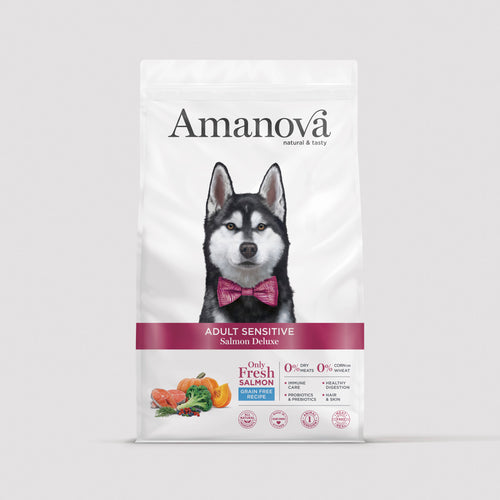
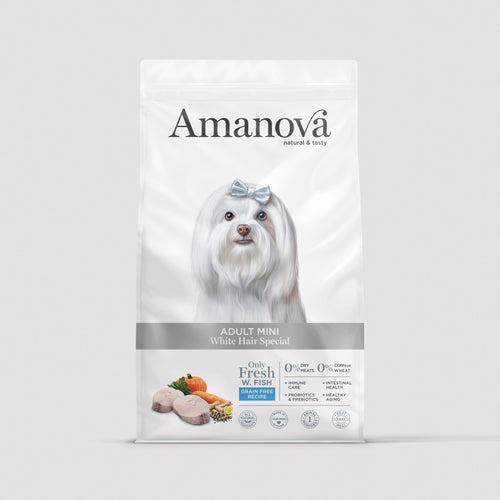
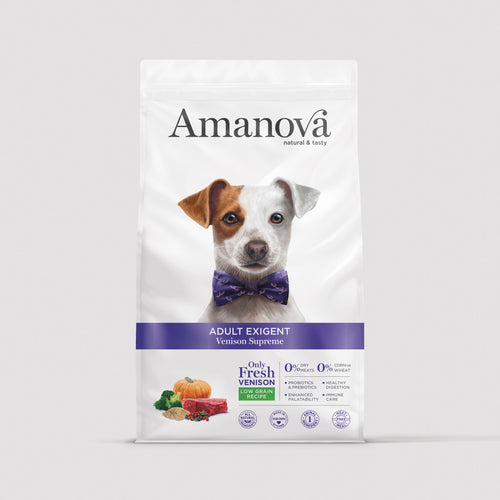
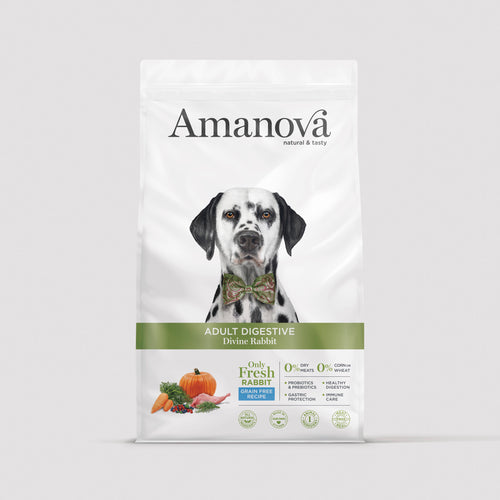
Natural dry food vs. natural wet food
Cats have an innately low thirst drive, which makes natural wet food especially beneficial for hydration and urinary health. Natural dry food offers greater convenience and contributes to dental health.
Many vets recommend combining both: quality dry food as a base and wet food for cats to increase water intake.
According to your cat's needs
Active adult cat: needs a balanced mix of proteins and fats. Look for kibble for adult cats with more than 35% protein and no fillers.
Neutered/spayed cat: tends towards weight gain and urinary issues. Opt for a natural food with calorie control and low in magnesium and phosphorus.
Senior cat (over 10 years): requires highly digestible protein to maintain muscle mass without overburdening the kidneys.
Kitten (up to 12 months): needs a greater proportion of protein, calcium and taurine for healthy growth. Read our guide on how to feed a kitten.
Cat with allergies or sensitivities: a single protein source without grains can reduce intestinal inflammation. Discover the options for hypoallergenic cat food.
Cat with digestive issues: a single protein source without grains can reduce intestinal inflammation. How to choose food for cats with digestive problems.
What else can cats eat?
If you want to complement natural food with other items, check what cats can safely eat and which are toxic to them.
How to transition to natural food
The change should be gradual to avoid digestive issues. Mix the new food with the previous one for 7-10 days, progressively increasing the proportion until it is completely replaced.
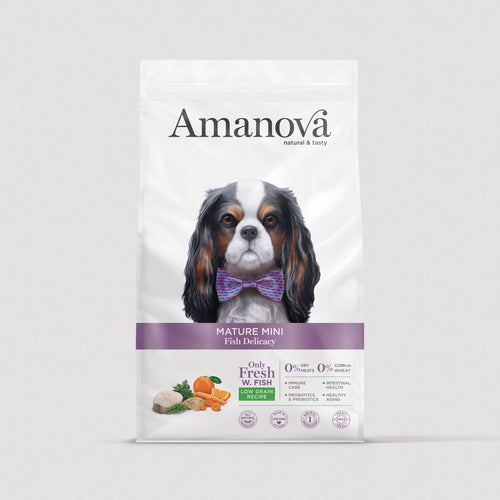
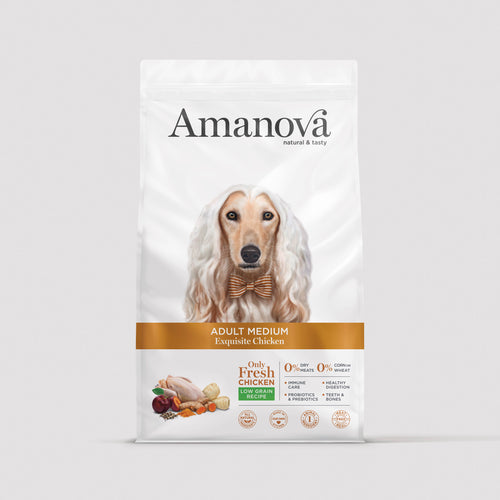
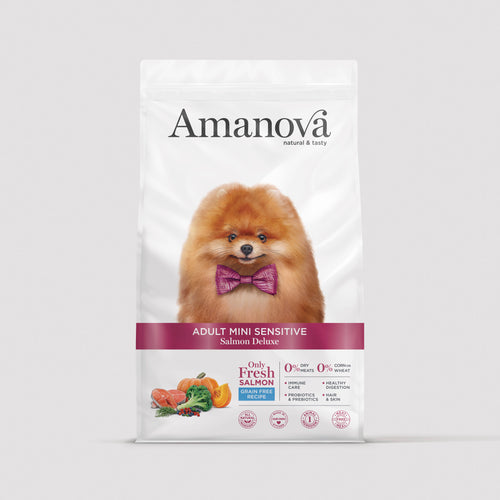
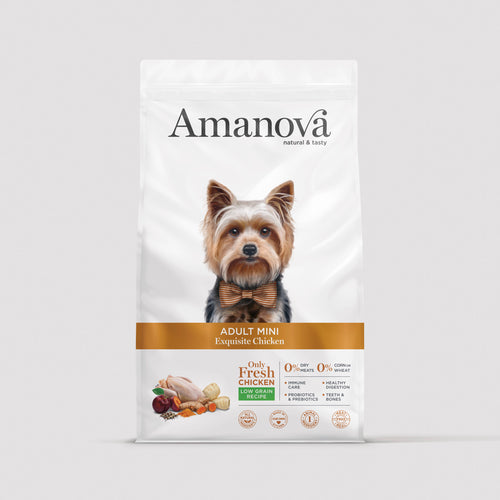
Discover our selection of natural cat food and, if you're looking for a premium option with the best ingredients, discover our Amanova for cats range. Also discover our mealtime section.


