Best Dog Food: The Ultimate Guide Based on Your Dog’s Needs
Choosing your dog’s food seems easy… until you’re standing in front of dozens of bags, all promising the same thing. Shiny coat, perfect digestion, endless energy. In reality, what truly matters is much simpler: that it suits your dog, meets their needs, and is made with high-quality ingredients. Because a lively Chihuahua doesn’t eat the same as a senior Labrador, and a dog with a sensitive stomach needs something different from one bursting with energy.
That’s why today, at Only Fresh, we bring you a complete guide to help you choose among the best dog foods, understand what your dog really needs, and make the right decision for a healthy, balanced, and enjoyable diet.
The Best Dog Food Brands
Harper & Bone: Natural food with a high content of fresh meat
Harper & Bone has earned its place among the best dog food brands for one very clear reason: its recipes focus heavily on fresh meat, which makes a noticeable difference in both taste and digestibility. Their formulas combine high-quality animal proteins with fruits, vegetables, and superfoods, creating a well-rounded option for those looking for a more natural diet without unnecessary fillers.
The brand also creates highly palatable recipes for picky eaters, something many owners appreciate when their dog starts ignoring the bowl. If you’re looking for a modern dog food with recognizable ingredients and a composition that goes beyond cheap fillers, Harper & Bone is a strong choice.
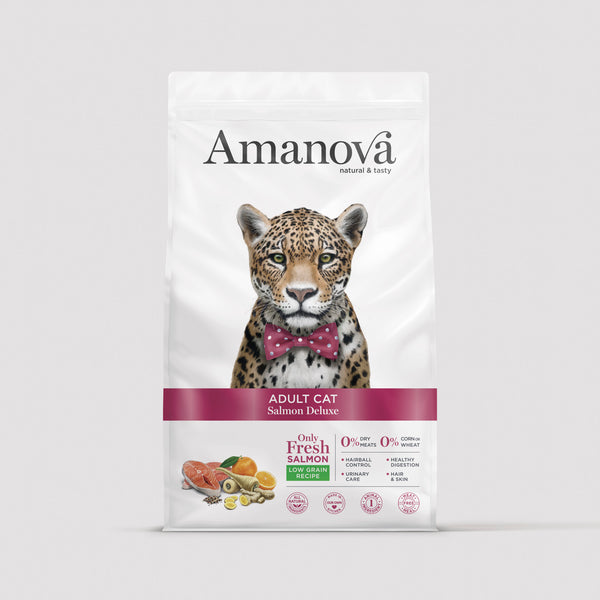
Amanova: Premium dog food without meat meals
Amanova stands out for a very specific approach: producing premium dog food using fresh meat and fish, without relying on traditional meat meals. This results in cleaner, tastier, and easier-to-digest recipes—especially valuable if you’re looking for food that truly suits your dog. Their range is also very broad, covering dogs of all ages, sizes, and sensitivities.
They offer formulas for sensitive skin, delicate stomachs, joint issues, weight control, or low appetite, as well as interesting hypoallergenic options. These are combined with fruits, vegetables, and superfoods such as apple, pumpkin, broccoli, carrot, quinoa, blueberries, or turmeric, along with supplements like glucosamine and chondroitin. Among the best dog foods, Amanova is an excellent choice if you value natural recipes, variety, and targeted nutrition.
Trovetplus: Specialized nutrition for dogs with specific needs
Trovetplus operates in a slightly different league—and that’s exactly its strength. It is designed for dogs that need more than just good nutrition; they need targeted dietary support. Their range includes solutions for gastrointestinal, renal, joint, liver, pancreatic, skin, or urinary issues, as well as weight control, food intolerances, and senior needs.
The brand offers both veterinary-style diets and hypoallergenic recipes based on a single animal protein source, such as salmon, turkey, rabbit, white fish, lamb, duck, wild boar, horse, or venison. Another strong point: no meat meals or animal by-products are used—only fresh, high-quality ingredients that are both appetizing and easy to digest.
Best Dog Food by Size
Food for small dogs
Small dogs have a fast metabolism and often a picky appetite. Their ideal food should be energy-dense, with high-quality proteins and healthy fats to keep them active without requiring large portions. Easy digestibility is also key, as many small breeds have sensitive stomachs. Kibble size matters more than you might think—if it’s too large or too hard, it can make eating difficult.
Dental health and digestion are also important factors. Ingredients like prebiotics, moderate fiber, and balanced minerals help maintain a healthy system. Omega-3 and Omega-6 fatty acids support skin and coat health. The best dog food for small breeds isn’t just labeled “small breed”—it truly adapts to their energy needs, digestion, and bite size.
Food for medium dogs
Medium-sized dogs are very versatile. They don’t have the extreme needs of small dogs or the heavy joint stress of large breeds, but they still require a balanced diet. High-quality animal protein should be the base, supported by healthy fats, well-tolerated carbohydrates, and essential vitamins and minerals.
A good balance between energy, satiety, and digestibility is key. Ingredients like rice, sweet potato, pumpkin, or apple can complement the formula well. Omega-3 fatty acids and light joint support can also benefit active dogs. The best food for medium dogs helps maintain muscle, supports stable digestion, and keeps weight under control.
Food for large dogs
For large dogs, proper nutrition isn’t about feeding more—it’s about feeding right. They need high-quality proteins, controlled fat levels, and a nutritional profile that supports bones, joints, and muscle mass. Ingredients like glucosamine, chondroitin, collagen, and Omega-3 fatty acids are especially important.
Calorie density also plays a key role. Overweight large dogs place extra stress on their joints and are more prone to additional health issues. The best food for large dogs isn’t the richest, but the most balanced—supporting muscle, joints, digestion, and weight control.
Give Your Dog the Nutrition They Deserve
There is no single perfect food for all dogs, but there are much better options depending on size, digestion, activity level, and specific needs. Choosing the best dog food isn’t about picking the most expensive or the most popular—it’s about finding what truly works for your dog and keeps them healthy, strong, and full of energy.
In our online store, you’ll find a carefully selected range of brands such as Harper & Bone, Amanova, and Trovetplus, along with options tailored to every life stage and need. Because feeding your dog well is one of the most important decisions for their long-term health.
Frequently Asked Questions About Dog Food
How can you tell if a dog food is high quality?
High-quality dog food typically lists clearly identified animal proteins among its first ingredients, avoids vague by-products, and offers a balanced composition of fats, vitamins, and minerals. It should also be adapted to your dog’s age, size, and specific needs.
Is kibble or natural food better?
There isn’t a single correct answer—it depends on the dog and the quality of the diet. A well-formulated complete kibble can provide balanced and convenient nutrition, while a properly designed natural diet can also be an excellent option. What matters most is ingredient quality, nutritional balance, and how well your dog tolerates the food.