BARF diet for dogs: what it is, benefits, risks and how to apply it correctly
The BARF diet for dogs is one of the most popular natural feeding models in recent years. The acronym stands for Biologically Appropriate Raw Food. Its concept is simple: offering dogs raw foods that mimic what they would eat in the wild.
But is it really suitable for all dogs? What benefits can it provide? What risks should be considered? In this article, we take an in-depth look at what the BARF diet is, how it is structured, when it may be appropriate, and which aspects should be evaluated before applying it — always from a balanced perspective focused on the animal’s real well-being.
What is the BARF diet?
The BARF diet is a feeding model based on raw and fresh products. Its goal is to replicate, as closely as possible, the ancestral diet of canines.
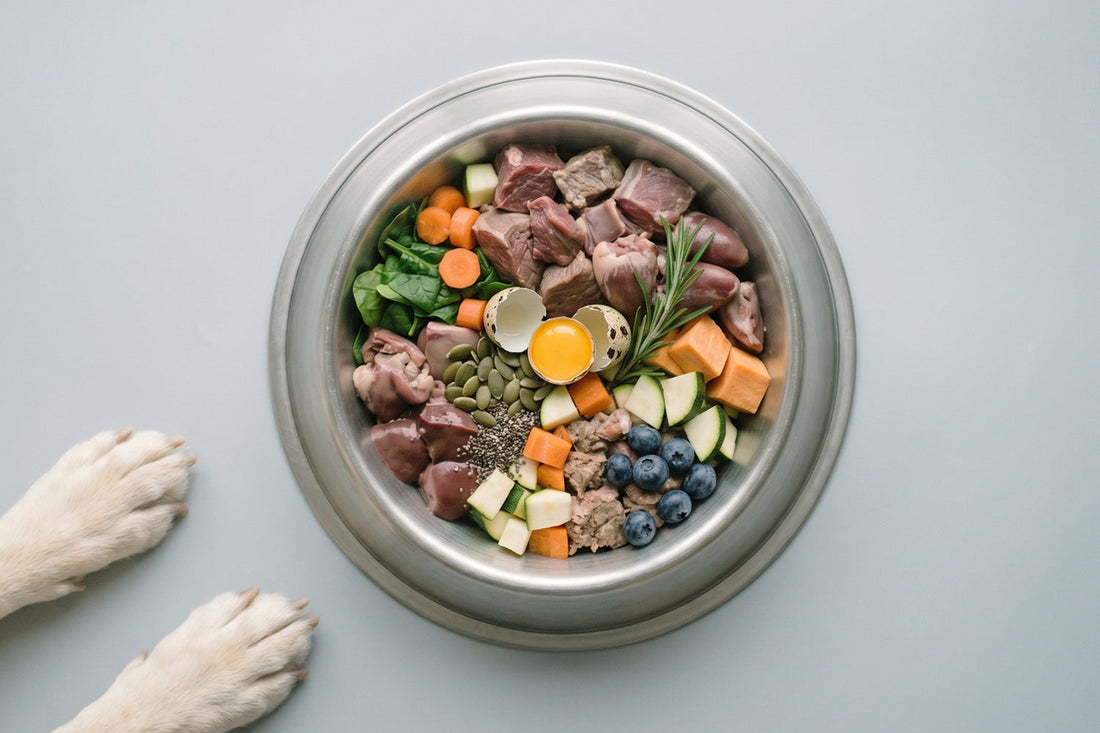
It generally includes:
- Lean raw meat
- Meaty bones
- Offal
- Crushed fruits and vegetables
- Oils and natural supplements
The philosophy behind this approach is based on the idea that dogs descend from wolves and therefore their bodies are designed to digest unprocessed foods.
However, domestic dogs have evolved alongside humans, and their digestive systems have partially adapted to new dietary patterns.
How is a BARF menu structured?
One of the most important aspects of the BARF diet is nutritional balance. It is not simply about offering raw meat, but about respecting specific proportions.
Suggested proportions for adult dogs
A common guideline includes:
- 40% meaty bones
- 30% meat or fish
- 20% fruits and vegetables
- 10% offal (approximately half liver)
These proportions may vary depending on the dog’s weight, age, activity level and health condition.
In puppies
During growth stages, needs constantly change. Portions are usually calculated as a percentage of body weight and gradually reduced as the puppy grows.
At this stage, ensuring an adequate supply of calcium and phosphorus is particularly important for proper bone development.
Benefits attributed to the BARF diet
Supporters of this feeding model highlight several potential benefits:
1. Better dental health
Chewing meaty bones can promote mechanical cleaning of the teeth and reduce tartar buildup.
2. Shinier coat and healthier skin
The intake of natural fats and essential fatty acids may improve coat condition.
3. Improved hydration
Raw foods contain more water than dry kibble, which can help support hydration.
4. Ingredient control
It allows owners to know exactly what their dog is eating, without additives or preservatives.
However, many of these benefits can also be achieved with high-quality commercial food that is properly formulated.
Risks and critical aspects of the BARF diet
The BARF diet is also a subject of debate. Not all specialists agree with applying it without supervision.
1. Microbiological risk
Raw meat may contain bacteria such as Salmonella or E. coli, as well as parasites. Although a dog’s digestive system can handle a certain bacterial load, there is still a risk for both the animal and the people handling the food.
Freezing meat beforehand may reduce risks but does not guarantee the complete elimination of pathogens.
2. Nutritional imbalances
Poorly formulated homemade diets may fail to adequately provide:
- Calcium
- Phosphorus
- Zinc
- B vitamins
- Essential fatty acids
A prolonged deficiency may lead to bone, immune or metabolic problems.
3. Bone-related problems
Bones may cause:
- Dental fractures
- Intestinal obstructions
- Perforations
- Constipation
If included, they must be raw, meaty and appropriate for the dog’s size.
Is it suitable for all dogs?
Not necessarily.
Extra caution is recommended for:
- Growing puppies
- Senior dogs
- Immunocompromised animals
- Dogs with digestive or kidney conditions
In these cases, any dietary change should be supervised by a veterinarian.
How to start a BARF diet responsibly
If an owner decides to adopt this model, certain guidelines are essential:
Professional consultation
A veterinarian or specialized nutritionist should assess:
- Weight
- Body condition
- Medical history
- Specific needs
Gradual transition
The switch from kibble to raw food should be progressive to avoid digestive upset.
Planning and organization
This feeding model requires:
- Frequent purchase of fresh meat
- Proper freezing
- Hygienic handling
- Precise portion calculation
It is not an improvised approach.
Balanced natural alternatives
Many people are attracted to the BARF diet because they seek a more natural and less processed way of feeding.
Today, there are options that combine high-quality ingredients with complete and balanced formulations. At OnlyFresh, we believe in conscious nutrition, real ingredients and scientific precision.
We work with brands such as Harper and Bone, Amanova and TrovetPlus, offering quality proteins and transparent recipes tailored to different needs.
- Premium dry food with selected ingredients
- Natural wet food
- Functional snacks
- Specific supplements
- Veterinary formulated diets
The goal is not to choose between “natural or commercial,” but to ensure long-term safety and balance.
BARF diet vs high-end commercial feeding
Both approaches can work if properly designed.
The key difference lies in:
- Professional formulation control
- Microbiological safety
- Long-term nutritional stability
A complete premium food is designed to meet all of a dog’s needs according to age and physiological status, whereas the BARF diet requires technical knowledge and ongoing monitoring.
Warning signs if your dog follows a BARF diet
- Excessive weight loss or gain
- Dull coat or excessive shedding
- Recurring digestive problems
- Very hard or very soft stools
- Lethargy or low energy
If any of these symptoms appear, the diet formulation should be reviewed.
The key is balance
The BARF diet can offer benefits when properly designed and supervised, but it also carries risks if not correctly formulated.
The important thing is not to follow a trend, but to ensure your dog receives complete, safe and individualized nutrition.
At OnlyFresh, we believe in conscious, transparent nutrition focused on real animal well-being.
Because feeding well is not about following a trend, but about making informed decisions for their future.