

Maintaining healthy gut flora is essential to ensure the health and wellbeing of our furry friends. This is due to the protective role played by a group of beneficial bacteria known as probiotics. If you have not yet heard of these microorganisms, keep reading.
In today's article we tell you what they are and what benefits probiotics offer dogs.
Probiotics for dogs: what are they and what benefits do they provide?
Thousands of different bacteria live in a dog's body and form what is known as the microbial flora. More than 90% of this microbiotic ecosystem lives in the gastrointestinal tract, where it is involved in various processes such as digestion and immune protection.
We can say that probiotics are intestinal microorganisms that prevent the growth and proliferation of harmful bacteria. Among their many benefits, we can highlight the following functions:
- They take part in the fermentation of food and the absorption of nutrients that takes place during digestion.
- They help regulate and strengthen the immune system.
- They act as a natural defensive barrier against pathogenic microorganisms.
- They contribute to the balance and maintenance of the intestinal mucosa.
When should we give probiotics to our pets?
When beneficial bacteria weaken or decrease, other bacteria known as opportunistic bacteria, which are normally present in the gut, take the chance to reproduce and become harmful.
In these cases, it is especially advisable to strengthen and regenerate your dog's gut flora by giving it a probiotic supplement:
- After veterinary treatment with antibiotics.
- During illnesses of the digestive tract, such as diarrhoea or gastroenteritis.
- During transition and diet changes between two types of food.
- To prevent and control infections and allergic reactions.
Which probiotic microorganisms are suitable for dogs?
Not all probiotics that are suitable for people are beneficial for our furry friends. So far, the following strains of bacteria and yeasts have been shown to be effective and safe for dogs:
- Enterococcus faecium.
- Lactobacillus acidophilus.
- Lactobacillus casei.
- Lactobacillus plantarum.
- Bifidobacterium bifidum.
- Bifidobacterium animalis.
How can we add probiotics to our furry friends' diet?
A simple and healthy way to add probiotics to our pets' diet is through some fermented dairy products, such as kefir and yoghurt. In both cases, it is preferable that they are made with goat's milk, as they will be easier for our four-legged companions to digest.
Another way to give dogs probiotic microorganisms is by adding sauerkraut to their meals. This is a plant-based product made from fermented cabbage, very rich in lactic bacteria and probiotic properties. Probiotics for dogs can be given separately or added as a supplement to their usual diet. The recommended dose is one tablespoon per 10 kg of weight every two days. This amount is approximate and may vary depending on the specific characteristics of each individual dog.
For this reason, we recommend starting with smaller amounts to check tolerance and stopping the treatment if you notice any adverse reaction. The best way to introduce probiotics into your pet's diet is through its daily dry food.
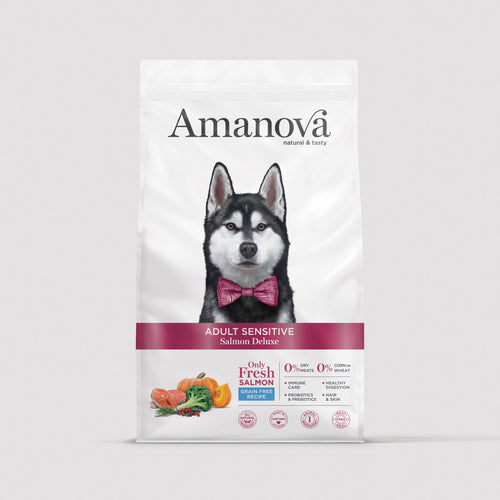
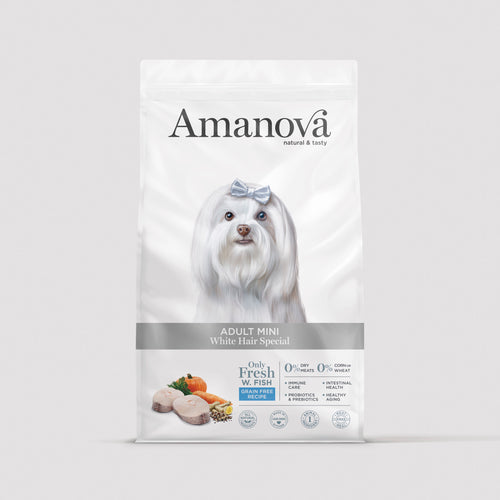
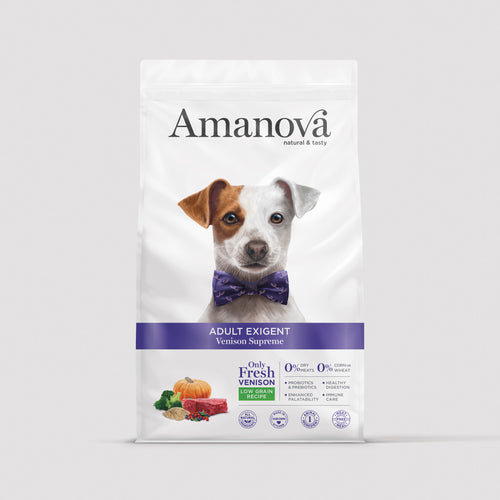
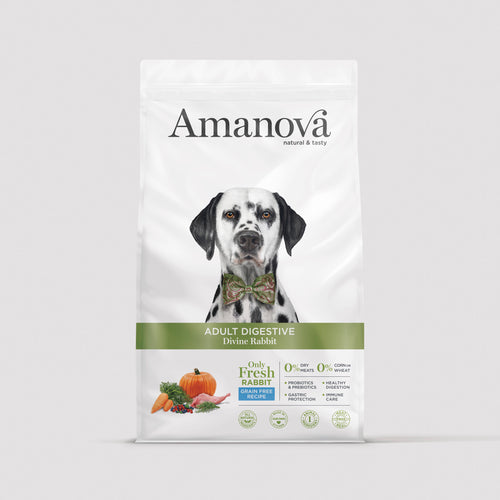
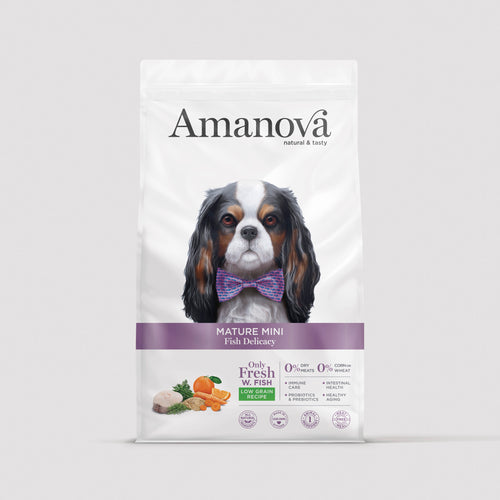
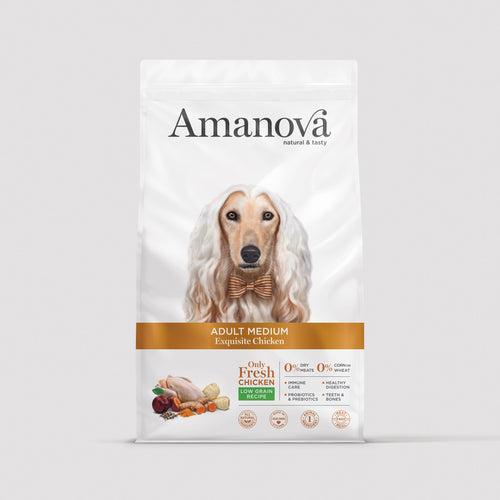
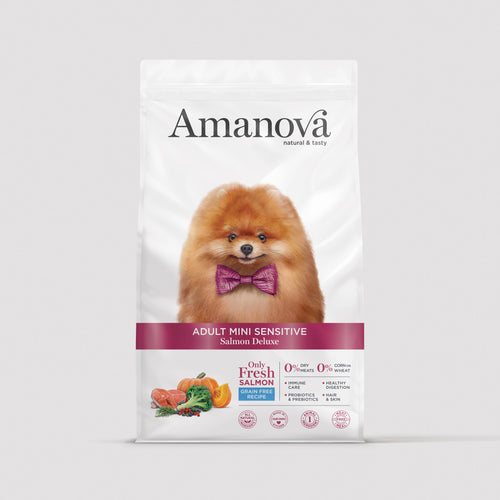
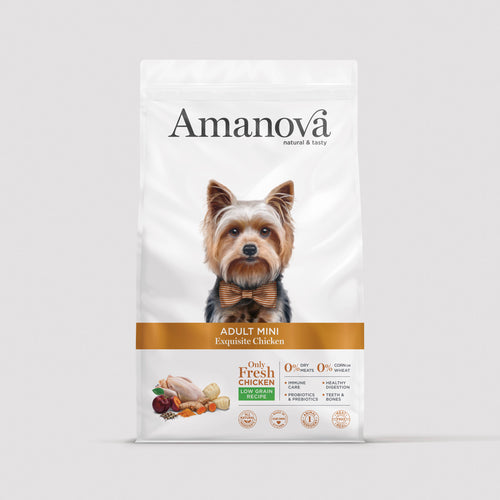
Nowadays, there are plenty of dog food options enriched with probiotics to promote and regulate the development of gut flora.


