
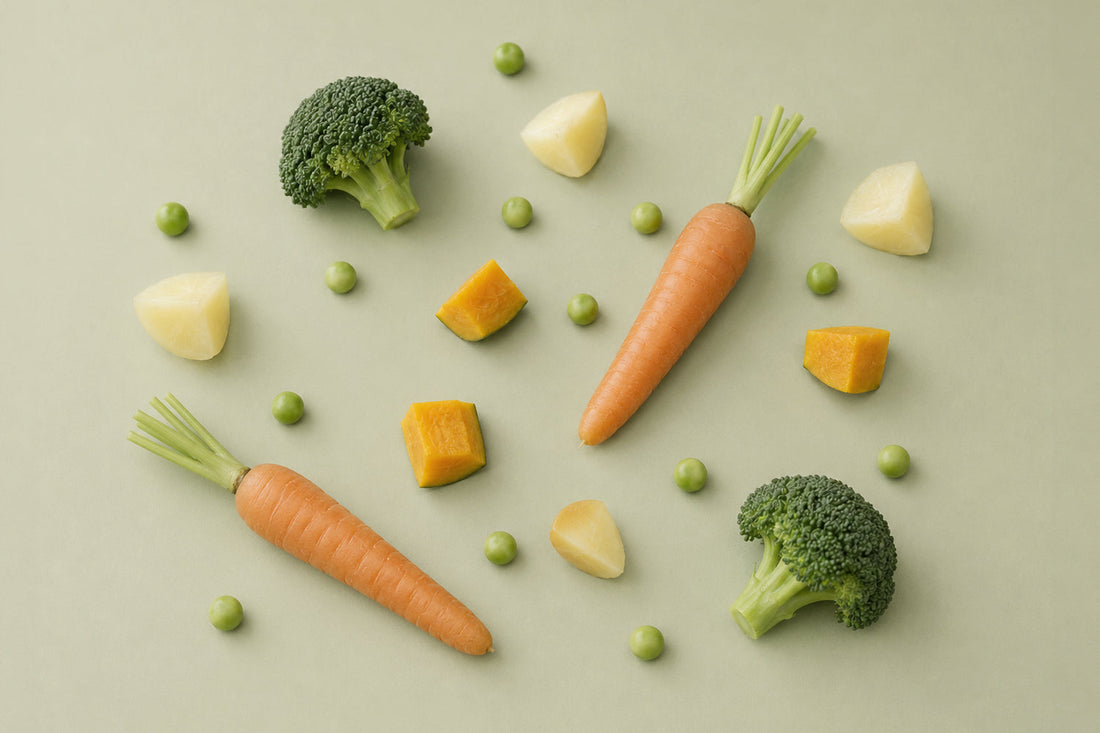
Including vegetables in your dog's diet can be an excellent way to improve their health and add variety to their meals. However, it is important to know which vegetables dogs can safely eat and which ones to avoid. In this article, we will talk about which vegetables dogs can eat, the healthiest options and the benefits that vegetables can offer our four-legged friends.
Benefits of vegetables for dogs
Vegetables offer dogs many benefits, as they are a source of natural nutrients and fibre. Here are some of their main benefits:
1. Improves digestion
The fibre found in many vegetables helps to regulate intestinal transit, promoting healthy digestion. At the same time, it helps prevent constipation and supports the health of the digestive system in general, which is essential for your pet's wellbeing.
2. Strengthens the immune system
Many vegetables contain antioxidants and essential vitamins that strengthen your dog's immune system, helping them fight illness and maintain optimal health. Nutrients such as vitamins C and E are known for their ability to protect the body against damage from free radicals.
3. Maintains a healthy weight
Vegetables are low in calories and rich in fibre, which helps your dog feel full without consuming too many calories. This is ideal for dogs prone to being overweight, as vegetables can act as a healthy snack and a nutritious treat between meals.
4. Promotes healthy skin and coat
Vegetables such as broccoli or spinach contain essential nutrients, such as fatty acids and antioxidants, which help maintain healthy skin and a shiny coat. Including them in the diet can make a difference to your dog's overall appearance.
5. Contributes to eye health
Vegetables such as carrots are rich in beta-carotene and vitamin A, which are beneficial for eye health. These nutrients can help keep your dog's eyesight in good condition and protect their eyes against age-related deterioration.
Which vegetables are healthy for dogs?
Below, we present a list of safe and healthy vegetables for dogs, along with their benefits:
1. Carrots
Carrots are an excellent source of vitamin A, fibre and antioxidants. In addition to being highly nutritious, they have a crunchy texture that can help clean your dog's teeth as they chew, supporting their oral health. The vitamin A in carrots contributes to healthy eyesight and helps keep the immune system strong. Their natural, sweet flavour makes them an ideal healthy, low-calorie snack that dogs usually enjoy.
2. Peas
Dogs can eat peas, which are a great source of vitamin B, phosphorus and potassium. Peas also provide plant protein, which can complement your dog's diet. They are especially beneficial for strengthening bones and teeth, and they also contain antioxidants that support cell health. Adding peas to your dog's food can give it a different texture and a mild flavour that they will enjoy, as well as improving their digestion thanks to their fibre content.
3. Spinach
Dogs can also eat spinach in small amounts, as this vegetable is rich in iron, antioxidants and vitamins A, C and K. Spinach helps strengthen your dog's immune system and supports blood circulation, as well as being an excellent source of fibre. However, it is important to offer it in small amounts and preferably cooked, as it contains oxalic acid, which in excess could affect your pet's kidney health.
4. Green beans
Dogs can eat green beans, which are rich in fibre and low in calories, making them an excellent option for dogs prone to being overweight. Green beans also contain vitamins C and K, which help strengthen bones and improve the health of the immune system. You can offer them raw or lightly cooked to make them easier to digest, always without adding salt or seasoning.
5. Broccoli
Dogs can eat broccoli in small amounts, as it provides vitamin C, fibre and antioxidants. Broccoli is beneficial for digestion and can help strengthen your dog's immune system. However, it is important not to overdo it, as too much can cause gas or stomach discomfort. Lightly cooking it is ideal to reduce the risk of digestive upset and make it easier to chew and digest.
6. Courgette
Courgette is a low-calorie vegetable, ideal for dogs that need to maintain a healthy weight. It is rich in potassium, vitamin C and antioxidants, which help strengthen the immune system and support your pet's muscle health. Its soft texture is also easy to digest, which makes courgette an ideal way to add variety to your dog's diet without adding extra calories.
7. Pumpkin
Pumpkin is very beneficial for dogs with digestive problems, as it is a great source of soluble fibre. It helps regulate intestinal transit, relieving both constipation and diarrhoea. It also contains antioxidants and vitamins A and C, which are essential for the health of the immune system. Pumpkin is also a delicious, naturally sweet option that dogs enjoy, ideal for mixing with their usual kibble or as a healthy reward.
8. Leek
Dogs can eat leek in small amounts and always well cooked. Leek contains antioxidants and compounds that help strengthen the immune system and improve circulation. However, it is important to give it in moderation, as too much could cause digestive problems. By cooking it well, you reduce the intensity of its components and can include it as an occasional addition to their diet.
9. Cucumber
Cucumber is a refreshing, low-calorie option that helps keep your dog hydrated. Its high water content, together with essential vitamins and minerals such as potassium and vitamin K, makes it a healthy snack that is well suited to hot days. At the same time, its crunchy texture makes it a fun treat to chew, and its mild flavour is usually well received by most dogs.
10. Sweet potato
Sweet potato is rich in fibre, vitamins A, C and B6, and antioxidants. This tuber provides slow-release energy, ideal for active dogs that need to stay energised throughout the day. It also helps improve the health of your pet's skin and coat, thanks to its content of antioxidants and essential nutrients. Sweet potato is delicious and can be served cooked, as a nutritious and flavourful side for your dog's diet.
How should you give vegetables to your dog, raw or cooked?
When offering vegetables to your dog, it is important to consider whether it is better to give them raw or cooked. In general, many vegetables can be offered raw, such as carrots or cucumber, as they retain more nutrients in this state. However, some vegetables, such as spinach and broccoli, are best lightly cooked to make them easier to digest and reduce the risk of gas or digestive upset.
To make sure your dog gets the most out of the benefits of vegetables, avoid adding salt, oil or other seasonings that could be harmful to their health. Steamed vegetables are an ideal option, as they retain their properties without the risk of causing stomach irritation. Always consult a vet before introducing new vegetables into your dog's diet, especially if they have digestive sensitivities.
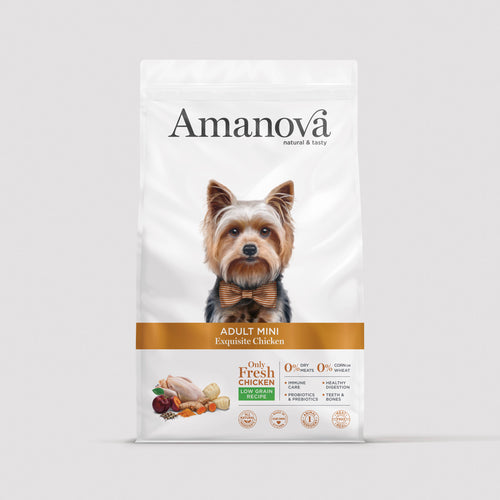
Discover our range of products and give your dog the care they deserve with a diet tailored to their needs. With OnlyFresh, your pet's nutrition is in the best hands!


