Turkish Angora
The Turkish Angora is one of the oldest and most refined cat breeds in the world, with its silky coat, elegant silhouette and a character that combines liveliness, intelligence and genuine affection. It is an active, curious animal that participates enthusiastically in domestic life and builds deep bonds with the people who care for it.
Features


Origins
The origins of the Turkish Angora lie in Ankara (ancient Angora) and the mountainous regions of Turkey, where it lived naturally for centuries, adapted to the cold climate of the Anatolian interior. Its semi-long coat, fine and without undercoat, is the result of this natural adaptation. European travellers who visited the Ottoman Empire in the 16th and 17th centuries were captivated by these white cats with unusual eyes and brought them to Western Europe.
In the 18th and 19th centuries, the Turkish Angora was crossed in Europe with other longhaired breeds until it lost its identity as a distinct breed. To preserve the breed, Ankara Zoo began a controlled breeding programme in the 1950s. Thanks to this programme, the breed reached the US in the 1960s, where it was officially recognised. Turkey considers this cat part of its cultural heritage.
Characteristics and aptitudes
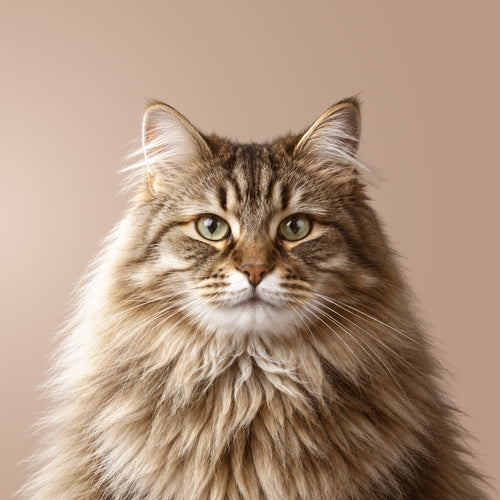
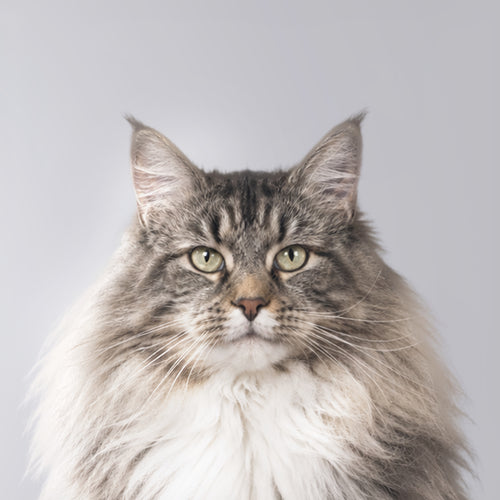
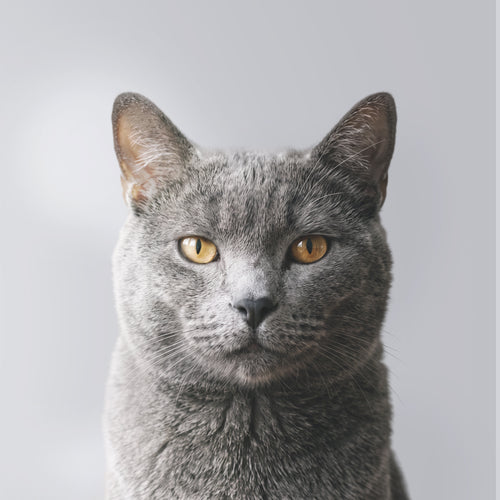
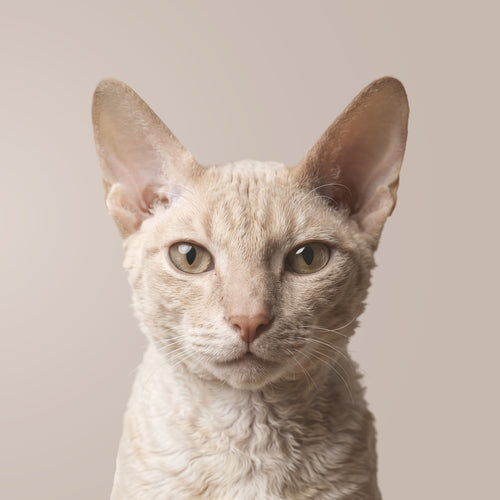
The Turkish Angora is a cat with a long, slender and muscular body, with natural elegance in every movement. Its head is wedge-shaped, with large erect ears, and its eyes can be blue, amber, green or different colours (odd-eyed), a highly prized characteristic. The coat is semi-long, without undercoat, giving it extraordinary lightness and sheen. The long, plumed tail completes a harmonious figure.
Its character is active, intelligent and markedly sociable. Unlike many longhaired cats, the Turkish Angora is not a lap cat: it needs to move, explore, play and participate in everything. It is dexterous with its paws and learns very quickly. Many owners describe its character as dog-like due to its loyalty and constant companionship.
Care
The Turkish Angora's coat is surprisingly easy to maintain for its length. Without undercoat, it does not mat as easily. Two to three brushing sessions per week are sufficient. During shedding season, more frequent brushing helps control loose hair.
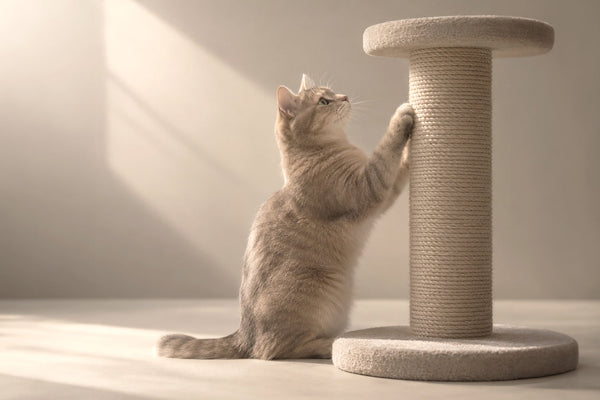
Due to its high activity level, it needs daily stimulation: interactive toys, climbing structures, intelligence games and playtime with its owners. Dental care and regular vet visits with cardiological assessment are also important. Food should be high quality and suited to its activity level.
Most common diseases
The best-known condition in the breed is congenital deafness, more frequent in white individuals with blue eyes (W gene). The BAER test accurately detects deafness in kittens.
Hypertrophic cardiomyopathy (HCM) can also occur and should be monitored through annual echocardiograms. Cerebellar ataxia has been documented in some individuals but is rare. With responsible breeders, regular vet visits and high-quality nutrition, the Turkish Angora can enjoy a long and active life.