
When a dog suffers from persistent digestive problems, the vet may recommend a specific gastrointestinal food. This type of food is formulated to facilitate digestion, reduce intestinal inflammation and help the digestive system recover. But what makes it different from conventional food? When is it really indicated? Below we explain it in detail.
What is gastrointestinal dog food
Gastrointestinal food is a therapeutic or supportive food designed for dogs with digestive pathologies. Unlike conventional food, its formulation prioritizes the high digestibility of all its ingredients, which reduces the work the dog's digestive system has to do to absorb nutrients.
Its most common characteristics include:
- High-quality, easily digestible protein sources (hydrolyzed chicken, rice, egg)
- Low fat content to not overload the pancreas
- Controlled fiber levels (neither too high nor too low)
- Without fermentable grains or legumes that could generate gas
- With probiotics or prebiotics to support the intestinal microbiota
Differences with conventional food
Conventional food is formulated to maintain the general health of a healthy dog. Gastrointestinal food, on the other hand, minimizes digestive stress: it uses easier-to-process raw materials, limits fats that activate pancreatic enzymes and avoids ingredients that may irritate the intestinal mucosa. The result is a high rate of nutrient utilization with less burden on the digestive system.
When is gastrointestinal food indicated
Gastrointestinal food may be recommended in the following situations:
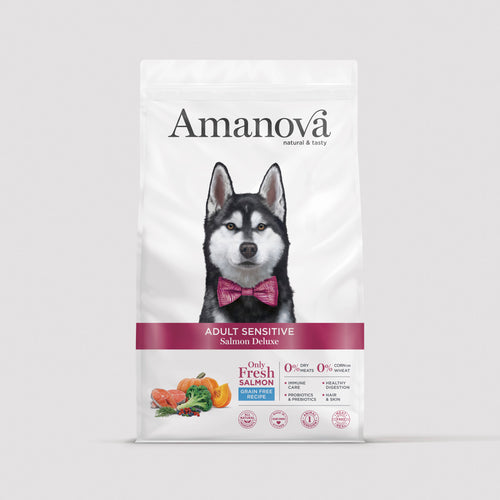
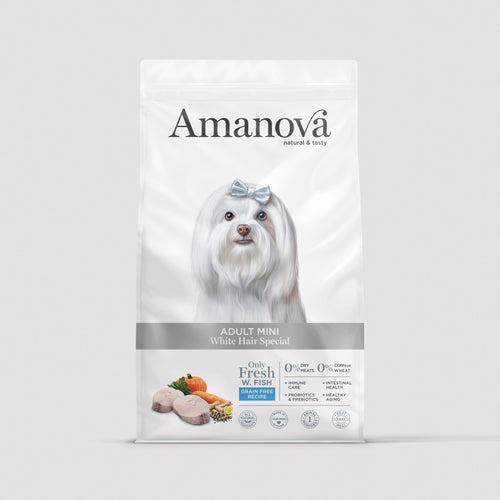
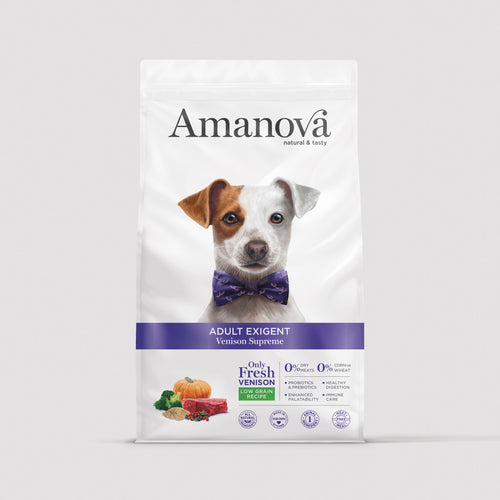
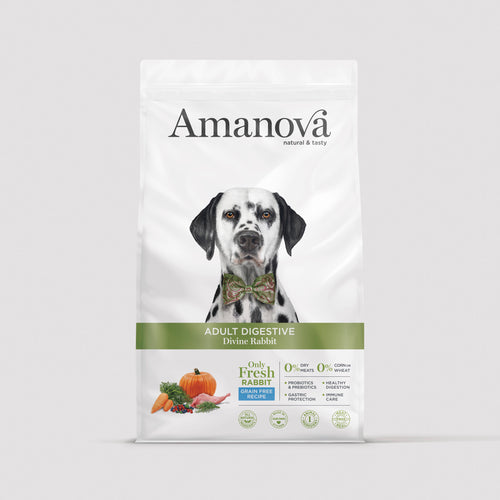
- Acute or chronic gastritis
- Colitis or enteritis
- Mild pancreatitis (in recovery phase)
- Chronic diarrhea of dietary origin
- Digestive post-operative recovery
- Irritable bowel syndrome or inflammatory bowel disease
- After antibiotic treatments that have altered the microbiota
It is always the vet who must indicate whether gastrointestinal food is appropriate for your dog's specific case, as some digestive conditions require a different approach.
How to transition to gastrointestinal food
If your dog is switched to gastrointestinal food, the transition must be gradual to prevent the abrupt change from worsening the digestive situation. In urgent situations (acute diarrhea, vomiting), the vet may indicate a faster change, but under normal conditions it is recommended:
- Days 1-2: 75% previous food + 25% gastrointestinal food
- Days 3-4: 50% each
- Days 5-6: 25% previous food + 75% gastrointestinal food
- From day 7 onwards: 100% gastrointestinal food
How long should it be used
The duration of use of gastrointestinal food depends on the condition that motivates it. In acute processes, 2-4 weeks may be sufficient. In chronic pathologies, it may be necessary to maintain it indefinitely. The vet must assess the evolution and decide whether the dog can return to conventional food or must continue with the digestive food.
Gastrointestinal food vs bland diet
The bland diet (rice with boiled chicken without seasonings) is an emergency solution for occasional digestive episodes, not a long-term solution, as it does not cover all the nutritional needs of the dog. Gastrointestinal food is a complete and balanced food that can be maintained for extended periods under veterinary recommendation. For acute episodes, you can read more about the bland diet for dogs and about managing digestive problems in dogs.
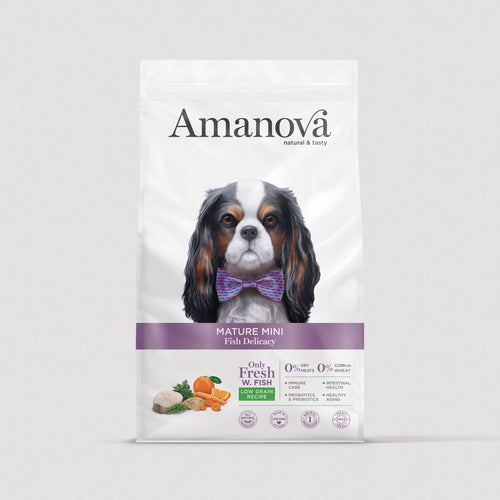
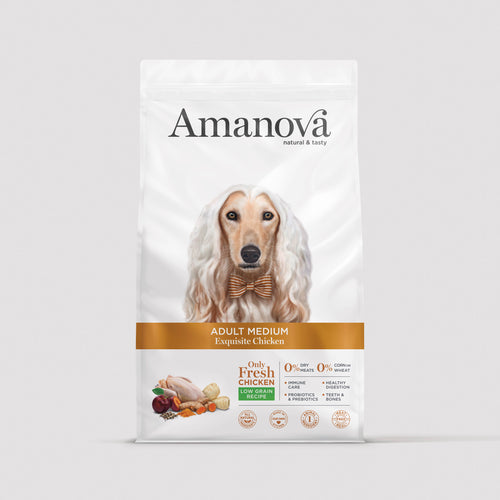
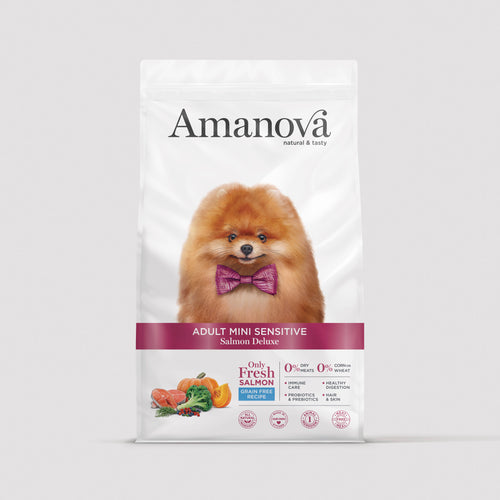
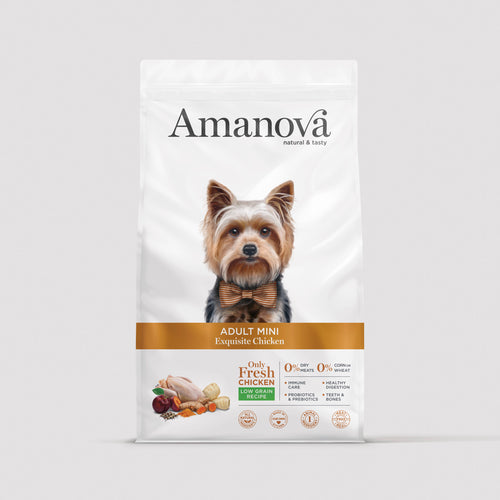
If you are looking for quality gastrointestinal food options, in our section of gastrointestinal dry food for dogs you will find a careful selection of foods formulated to support digestive health. You can also explore our Trovetplus Intestinal range, especially indicated in cases of microbiota alteration.


