

Planning a weekly menu for dogs is not only a way to better organize their nutrition, but also a fundamental tool to ensure that your pet receives all the nutrients it needs. Whether you prepare homemade food or combine different formulas of dog food, having a weekly guide can make a big difference to its health and well-being.
What is a weekly menu for dogs and why is it important?
A weekly canine menu is a structured planning of the meals your dog will receive during the seven days of the week. This menu can include dry food, wet food, homemade recipes, supplements or healthy snacks, always adapted to its age, size, activity level and possible special needs. Its objective is to provide a balanced diet, without falling into improvisation or excessive repetition of ingredients.
Designing a menu in advance allows you to avoid nutritional deficiencies, better dose rewards or extras, and keep a more precise control over what your dog eats. It is also very useful in cases of intolerances, food allergies or digestive problems, as it allows you to quickly identify which ingredient may be causing discomfort. It also improves household organization: you shop with foresight, avoid waste and maintain control of portions and meal times.
How to create a weekly menu for dogs step by step
To design a balanced weekly menu, the first thing to consider is your dog's profile: age, weight, breed, activity level, health status and whether it is neutered or not. Feeding a growing puppy is very different from feeding a senior dog with reduced mobility. From there, you can define the daily caloric needs and the appropriate percentages of protein, fat, fiber, etc.
The next step is to choose the main type of feeding. Dry kibble? Wet food? Mixed or homemade diets? Whatever your choice, make sure the products are well formulated and endorsed by veterinary nutritionists. If you opt for homemade food, it is advisable to supplement it with vitamins and essential minerals. In this sense, it is key to include variety: meat or fish as a protein base, along with safe vegetables, moderate carbohydrate sources and healthy fats.
Finally, distribute the portions throughout the day according to the age and size of the dog. Puppies eat between 3 and 4 times, adults usually do so 2 times a day. It is also useful to leave room for healthy snacks or treats, planning their inclusion in the menu so as not to exceed the recommended calories. This way, you will ensure that your dog enjoys a balanced, tasty diet adapted to its real needs.
Summary: steps to create a weekly menu for dogs
- Analyze your dog's characteristics: age, size, activity, health…
- Calculate its nutritional needs based on its profile.
- Choose the type of feeding: dry, wet, homemade, combined.
- Ensure a balanced variety of ingredients throughout the week.
- Distribute daily portions appropriately: 2, 3 or more meals depending on age.
- Plan snacks or treats within the total caloric intake.
- Review the menu with a professional for special needs or questions.
Examples of weekly menus for dogs
Weekly menu for adult dogs
A well-planned homemade diet can be a healthy and tasty alternative for many adult dogs. The key is to combine natural quality ingredients, in balanced proportions, and adapt the portions to the size, age and activity level of the animal. Here is an indicative weekly menu with simple preparations you can make at home:
● Monday: Stewed cooked chicken with brown rice and a touch of grated carrot.
● Tuesday: Minced turkey steamed with pureed pumpkin and tender spinach leaves.
● Wednesday: Lean beef lightly sautéed with boiled potato and chopped green beans.
● Thursday: Shredded white fish fillet, with a little cooked oats and steamed broccoli.
● Friday: Chopped boiled egg with sweet potato puree and a few drops of extra virgin olive oil.
● Saturday: Chicken breast strips with cooked quinoa and apple cubes (without seeds).
● Sunday: Turkey meat with cooked carrot and a handful of natural blueberries.
This type of menu provides digestible proteins (chicken, turkey, fish, eggs...), slow-absorbing carbohydrates (rice, potato, quinoa, oats...), and a good base of fiber, antioxidants and micronutrients through fruit and vegetables. It can occasionally be supplemented with supplements such as salmon oil, sea algae or turmeric, if the vet recommends it.
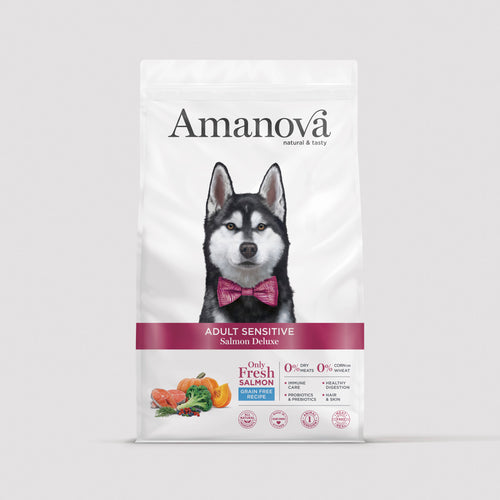
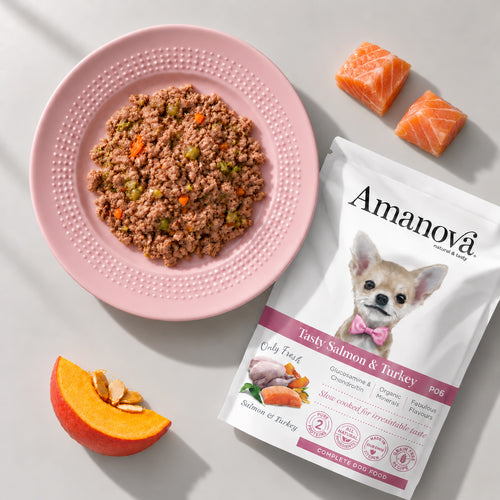
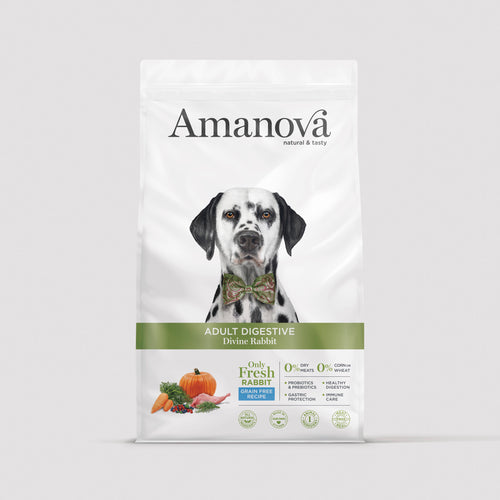
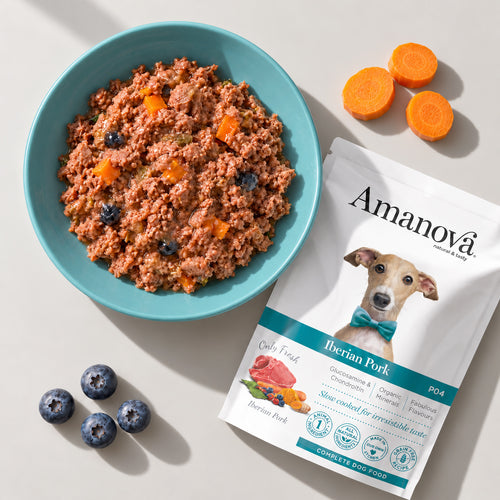
A balanced menu for adult dogs must cover all their energy, muscle and digestive needs without falling into excesses or deficiencies. You will find a selection of natural kibble for adult dogs made with fresh ingredients, combining high-quality proteins with fruit, vegetables and natural supplements that promote overall well-being. For example, natural dog food with salmon and vegetables provides Omega-3 and 6 fatty acids, essential for skin and coat health, while ingredients like broccoli or carrot naturally strengthen the immune system.
A weekly menu proposal could alternate between different recipes such as chicken with apple and ginger, ideal for dogs with sensitive digestion, and lamb with pumpkin, a tasty and nutritious option that brings variety to the diet. This rotation helps maintain the dog's interest in food and cover a broader spectrum of nutrients. You can complement the dry food with some healthy snacks or a teaspoon of natural sugar-free yogurt, as long as your dog tolerates it well. Remember to adapt the daily ration according to its weight, age and activity level, and to keep clean, fresh water available throughout the day.
Weekly menu for puppies
During the first months of life, the puppy's digestive system is more sensitive, so its diet must be even more carefully managed. The menus should offer a soft texture, easily assimilated ingredients and a correct ratio of proteins, fats, carbohydrates and micronutrients. Here is a balanced proposal to cover the week:
- Monday: Cooked and minced chicken breast, with brown rice and cooked pumpkin.
- Tuesday: Turkey boiled in thin small pieces with mashed potato and soft zucchini.
- Wednesday: Lean lamb with cooked oat flakes and grated carrot.
- Thursday: Cooked and shredded white fish with cooked sweet potato and very tender broccoli.
- Friday: Mashed hard-boiled egg with rice and boiled, chopped spinach.
- Saturday: Boiled chicken with natural apple puree and a few drops of linseed oil.
- Sunday: Cooked turkey with tender green beans and a touch of turmeric.
You will find puppy kibble formulated with easily digestible ingredients such as chicken or white fish, enriched with calcium, phosphorus and essential fatty acids like Omega-3, which contribute to bone, muscle and neurological development. Furthermore, these recipes are adapted to the digestive capacity of the youngest, facilitating their assimilation without causing intestinal problems.
A good feeding routine can include 3 or 4 daily kibble meals, distributed regularly to avoid overloading the digestive system. For example, you can start the week with chicken kibble with brown rice and vegetables, alternate with recipes of soft lamb with natural fruits and finish with options that include white fish, rich in DHA to promote cognitive development.
Consult our complete range of natural kibble for adult dogs and puppy kibble to create a tailor-made weekly menu for your best friend.


