
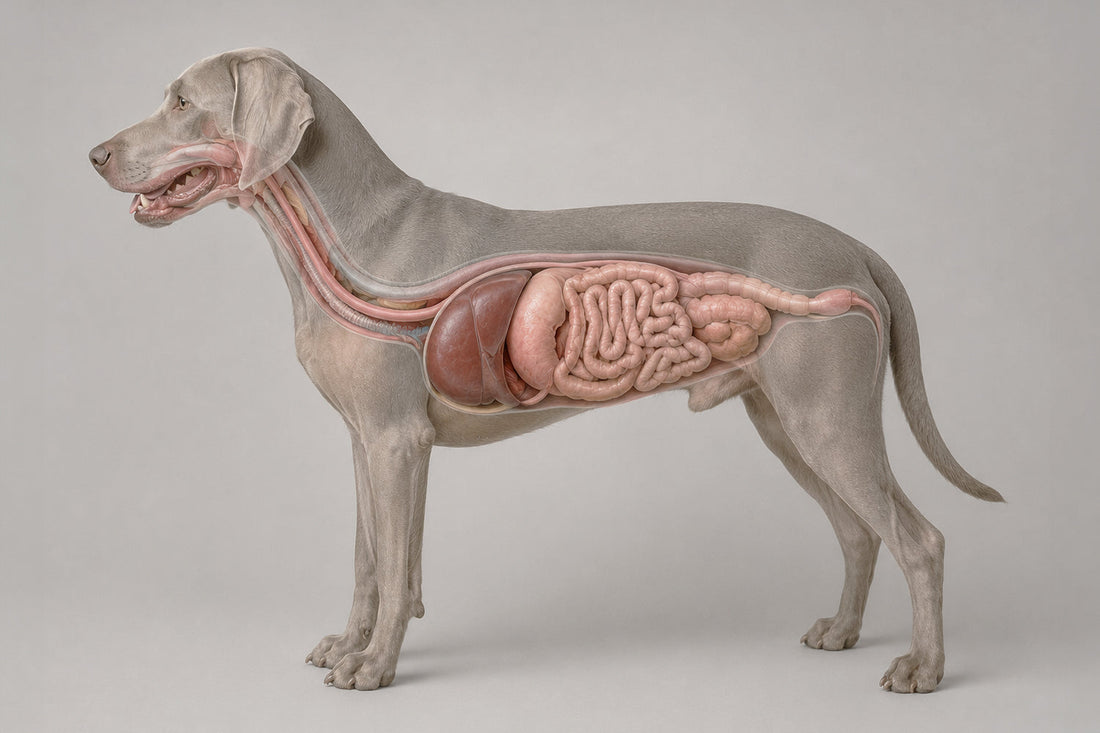
Digestive problems are among the most common complaints in dogs. Recognising the signs early allows you to act quickly and improve your companion's wellbeing.
Most Common Symptoms of Digestive Problems in Dogs
- Frequent vomiting or regurgitation
- Persistent diarrhoea or bloody stools
- Bloated belly and excessive flatulence
- Loss of appetite or selective eating
- Progressive weight loss
- Mucous or abnormally coloured stools
Main Causes
Inappropriate diet
An abrupt food change, low-quality ingredients or oversized portions are the most common causes of digestive problems in dogs.
Food intolerances
Some dogs react negatively to specific proteins such as chicken, beef or grains. An elimination diet is the most reliable method to identify them.
Intestinal parasites
Worms, giardia and other parasites irritate the intestinal mucosa. Regular antiparasitic prophylaxis is essential for prevention.
Inflammatory bowel disease (IBD)
A chronic condition requiring veterinary diagnosis and long-term specific dietary management.
What Diet Is Suitable for Dogs with Digestive Problems?
A gastrointestinal diet should be highly digestible, low in fat and rich in soluble fibre. Key principles:
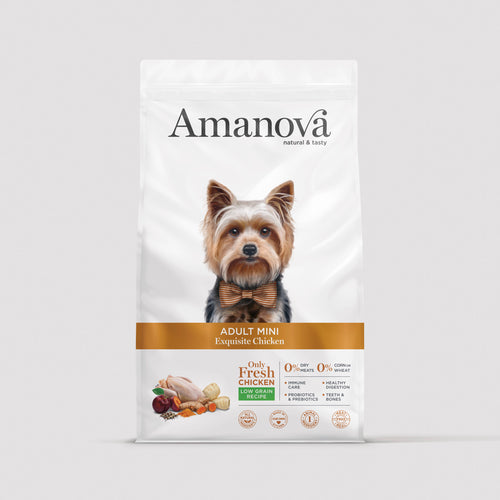
- Highly digestible proteins: chicken, turkey or lean fish
- Simple carbohydrates: cooked white rice or sweet potato
- Low fat content: to avoid overloading the pancreas
- Prebiotics and probiotics: to restore balanced gut flora
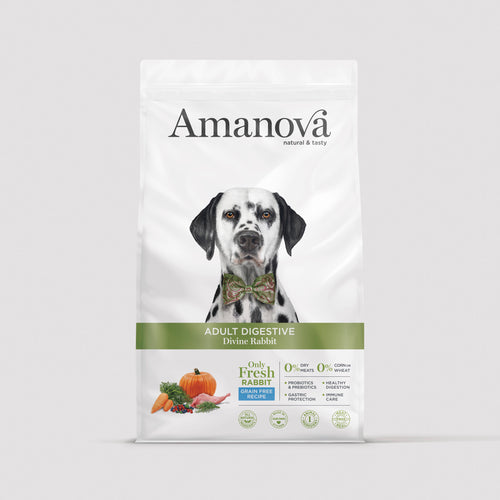
There are foods formulated specifically for this purpose. Gastrointestinal food for dogs is designed to support the digestive system during convalescence and in chronic management.
When Should I See a Vet?
Consult a vet if symptoms last more than 24-48 hours, if blood appears in stools or repeated vomiting occurs, or if the dog is lethargic and completely refuses to eat.
Frequently Asked Questions
Can I give my dog with digestive problems rice and boiled chicken?
Yes, it is a good home remedy for mild episodes. For chronic problems, a specially formulated food for intestinal health is necessary.
How long should the gastrointestinal diet be maintained?
For acute episodes, 5 to 10 days. For chronic conditions such as IBD, the special diet may be needed long-term.
How can I prevent digestive problems in dogs?
Gradual food transition (at least 7-10 days), adequate portions, regular antiparasitic prophylaxis and annual vet check-ups are the most effective preventive measures.
Dog-specific supplements can support digestive health, always under veterinary supervision.


