
Constipation in dogs is one of the most common digestive disorders at the veterinary clinic. Although in most cases it has a simple cause and an easy solution, when it becomes recurrent it may indicate an underlying problem requiring attention.
What is constipation in dogs
Constipation occurs when the dog does not defecate with normal frequency, or when it does so with effort and the stools are hard and dry. The normal frequency for adult dogs is 1 to 3 times a day. When more than 48-72 hours pass without defecation, or obvious straining is observed, we can speak of constipation.
Symptoms of a constipated dog
- No bowel movement for more than 48 hours
- Visible straining when attempting to defecate (prolonged squatting without result)
- Small, hard and dry stools when successful
- Whining or signs of pain during defecation
- Loss of appetite
- Bloated abdomen or feeling of discomfort
- Lethargy or less activity than usual
Most common causes of constipation in dogs
Low water intake
Dehydration is one of the most common causes. When the dog drinks little water, the intestine absorbs more liquid from the stools, hardening the fecal content and making its transit difficult.
Low-fiber diet or abrupt food change
A diet with little fiber or a sudden change of food can slow down intestinal transit. Fiber attracts water into the intestine and facilitates the progression of stools.
Ingestion of hair, grass or foreign bodies
Dogs that excessively groom themselves or ingest grass, bones or toys may have partial blockages that hinder defecation.
Sedentary lifestyle
Physical exercise stimulates intestinal movement. Very sedentary dogs or those with reduced mobility are more prone to constipation.
Medications
Some medications such as certain antihistamines, opioids or antacids can reduce intestinal motility and cause constipation as a side effect.
Underlying medical causes
Constipation can also be related to prostatic hyperplasia in uncastrated males, spinal problems, perineal hernias, hypothyroidism or kidney disease. If it is recurrent, a veterinary examination is important.
Home remedies for constipation
For a mild and occasional episode, you can try these measures:
- Increase water intake: add a little unsalted broth to the water or moisten dry food
- Increase exercise: a longer walk than usual stimulates the bowel
- Cooked, pureed pumpkin: 1-2 tablespoons depending on the dog's size; rich in soluble fiber
- Extra virgin olive oil: half a teaspoon for small dogs, a teaspoon for medium and large dogs, mixed into food
When to go to the vet
Go to the vet if the dog has gone more than 72 hours without defecating, if there is obvious pain, vomiting, total lack of appetite or bloody stools. Severe constipation can lead to megacolon or intestinal obstruction requiring urgent treatment.
The importance of fiber in the diet
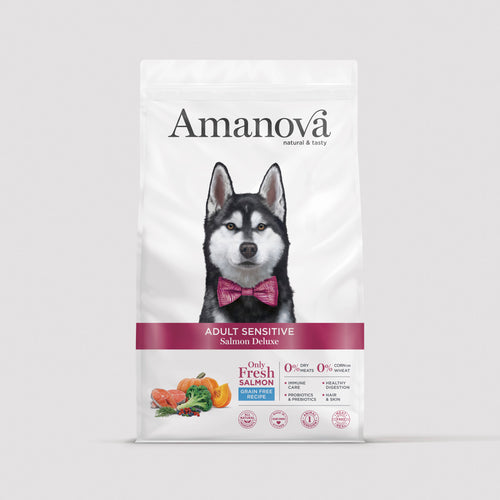
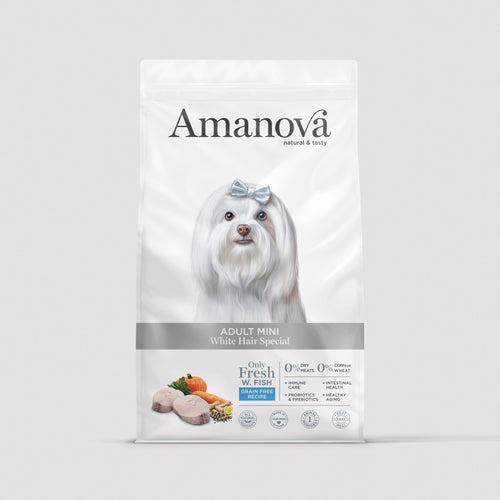
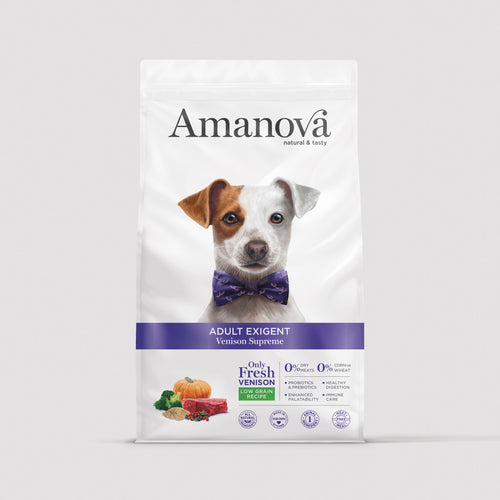
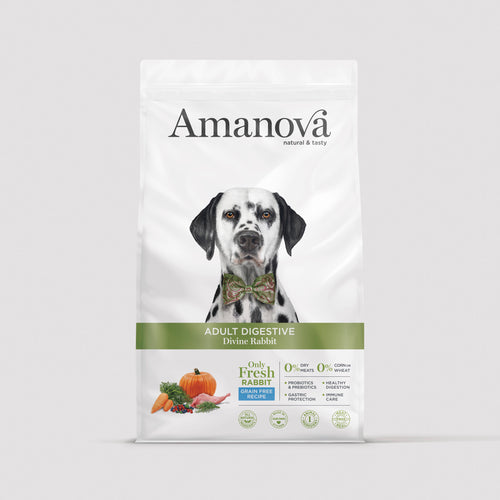
Adequate nutrition is the best prevention of constipation. If digestive problems are frequent, also read our guide on dogs with digestive problems or on bland diet for dogs. Discover our selection of high-fiber dog food.


