
Bad breath (halitosis) and dental tartar are two of the most common complaints in dogs, and they are closely linked. Although they are sometimes treated as aesthetic problems, they are in fact signs that the dog's oral health needs attention. Ignoring them can lead to periodontal disease, chronic pain and even systemic problems.
Why dogs have bad breath
Bad breath in dogs almost always originates in the oral cavity. Bacteria that colonise dental plaque and tartar produce volatile sulphur compounds that generate that characteristic odour. When oral hygiene is poor, these bacteria proliferate, form a biofilm (plaque), which mineralises and becomes tartar. In advanced stages, gum disease can develop with infection, bleeding and tooth loss.
Other less common causes of bad breath, but worth considering:
- Gastrointestinal problems (reflux, megaoesophagus)
- Chronic kidney disease (ammonia or urine smell)
- Diabetes (sweet or fruity breath)
- Respiratory infection or sinusitis
How to recognise tartar in dogs
Tartar is a hardened mineral deposit on the teeth, yellow-brown in colour, which cannot be removed with a brush once formed. It accumulates especially on the outer surface of the upper back teeth (premolars and molars) and on the gum line. When tartar starts to irritate the gums, they become red and inflamed (gingivitis), the first step towards periodontal disease.
Prevention: how to care for your dog's mouth at home
Tooth brushing
It is the most effective method to prevent the formation of plaque and tartar. It is recommended to brush the dog's teeth 3-4 times a week (ideally every day) with a toothbrush and toothpaste specific to dogs. Never use human toothpaste: fluoride is toxic to dogs.
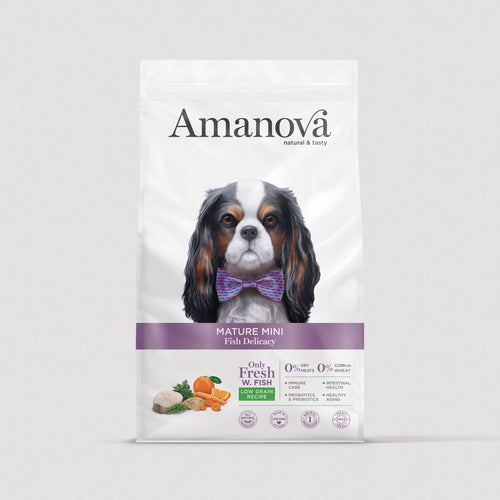
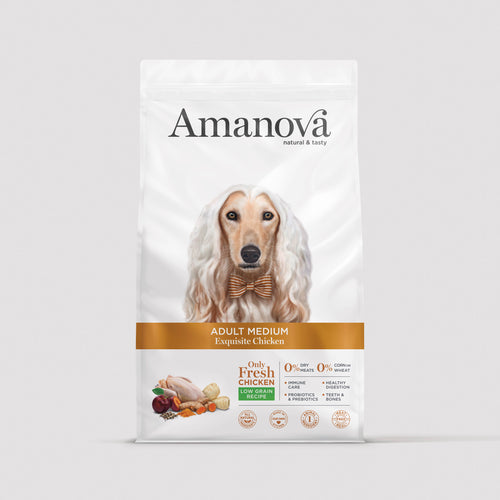
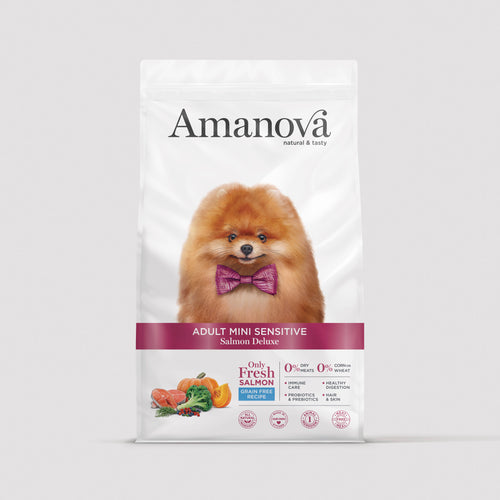
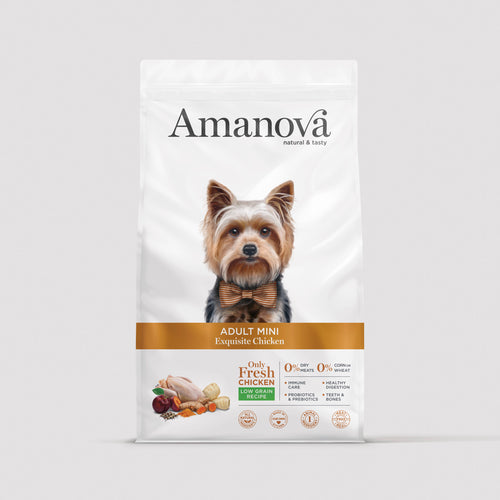
Dental snacks
Some snacks have shown in clinical studies to reduce dental plaque build-up thanks to their abrasive texture or active ingredients. Dental snacks do not replace brushing, but are a useful complement for dogs that tolerate direct oral hygiene less well. For small or mini breeds, Dental Chews Small is a specific option; for medium and large breeds, Dental Chews M/L offer the right size. Discover more in our selection of Harper & Bone snacks.
Complementary oral hygiene products
There are gels, oral sprays and water additives that help control oral bacteria. Some contain chlorhexidine or lactoperoxidase enzymes with antibacterial effect. Find these and other products in our collection of hygiene for dogs and cats and hygiene accessories.
Dry food vs. wet food
Dry food has a certain abrasive effect on the teeth during chewing, while wet food adheres more easily to the tooth surface. However, no diet alone eliminates the need for oral hygiene.
When professional teeth cleaning is needed
When tartar has already formed, it can only be removed by veterinary dental prophylaxis under general anaesthesia. This procedure removes tartar both above and below the gum line (subgingival), which is the most harmful. Annual mouth checks in adult dogs and every 6 months in small breeds, which are more prone to tartar build-up, are recommended.
Breeds most predisposed to tartar
Small breeds (Yorkshire Terrier, Chihuahua, Maltese, Toy Poodle) are particularly predisposed to tartar build-up and periodontal disease because their teeth are closer together in a smaller mouth. In these breeds, preventive oral hygiene from puppyhood is especially important.


