Maltese
The Maltese Bichon is one of the oldest and most elegant companion dog breeds in the world. Small in size but with a sophisticated and distinguished presence, it stands out for its silky white coat and deeply affectionate character. It is a dog particularly suited to life indoors, in apartments or urban environments, as long as it receives attention, care and a stable routine.
It is an extremely family-oriented breed. The Maltese does not tolerate prolonged loneliness and tends to form very close bonds with its owners. It commonly follows its owner around the house and seeks constant contact. Its temperament makes it an excellent companion for elderly people, families with respectful children or any household seeking a close and well-balanced dog.
Features


Origins
The Maltese has very ancient Mediterranean roots. There are historical references to similar small white dogs in Greek, Roman and Egyptian civilisations. Although its name is traditionally associated with the island of Malta, its history is generally linked to the maritime ports of the Mediterranean.
For centuries it was considered an aristocratic dog. In ancient Rome it was already prized as a refined companion animal, and during different periods of European history it was a symbol of status and elegance. Unlike other breeds bred for working purposes, the Maltese was selected primarily for its companionship and friendly character.
Characteristics and aptitudes
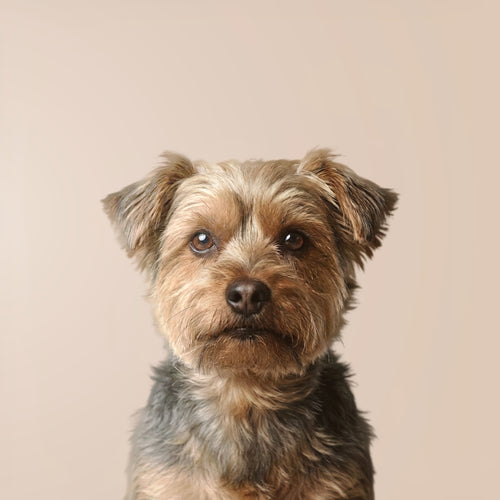
The Maltese is a compact, well-proportioned dog with light movements. Its expression is soft and alert, with very lively dark eyes and a black nose that contrasts with the intense white of its coat. The drooping ears are covered with long, silky hair.
Its most striking feature is its coat: long, smooth and shiny, which can reach the ground if allowed to grow. In terms of character, it is intelligent, sensitive and very affectionate. It loves cuddles, play and constant closeness. It is an attentive dog that may bark at strangers but is not aggressive by nature. Its training should be based on positive reinforcement.
Care
The main care requirement for the Maltese is its coat. Daily brushing is indispensable to prevent matting. Bathing can take place every three to four weeks with products specific to sensitive skin. Regularly clean the eye area to prevent tear staining.
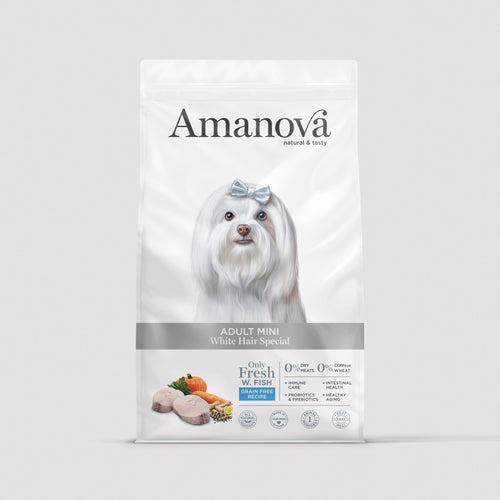
In terms of exercise, no great physical exertion is needed. Two moderate daily walks are usually sufficient. It is a breed perfectly suited to apartment living. Discover our selection of natural food for small dogs like the Maltese.
Most common diseases
The Maltese is a generally long-lived breed, with a life expectancy usually between 12 and 15 years. However, it has some predisposition to certain conditions common in small dogs.
Skin conditions are relatively frequent: it may develop allergies, dermatitis or eczema. It is also prone to tartar and dental problems; regular dental care is essential. In some cases, patellar luxation may occur. Due to its low body mass, it is sensitive to cold.
With regular vet visits and appropriate nutrition, the Maltese can live long and healthily. Discover our selection of food for small dogs to care for its health from the inside out.