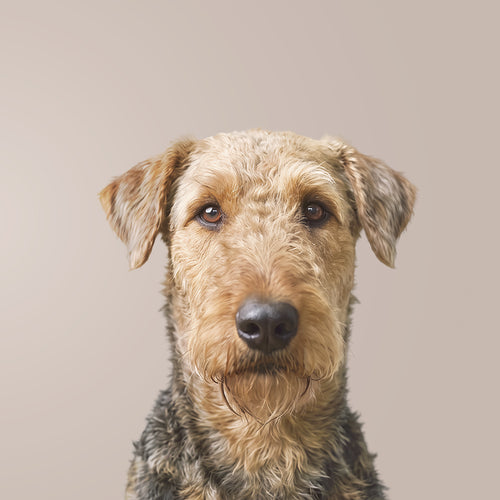
Scottish Terrier
Features


Origins
The Scottish Terrier is one of the oldest breeds from the Scottish Highlands, with a history dating back to the 17th century. It was originally used to hunt and eliminate vermin such as foxes, badgers and rodents on rocky and difficult terrain, which explains its compact body, short legs and stubborn, determined character.
During the 19th century, Scottish breeders began to standardise the breed, distinguishing it from other terriers in the region such as the West Highland White Terrier and the Cairn Terrier. In 1882 the first breed club was founded and the official standard was established, giving rise to the modern Scottie we know today. Its popularity grew rapidly, spreading throughout Britain and then throughout the world.
In the 20th century, the Scottish Terrier gained international fame as the favourite mascot of several presidents and public figures, including US President Franklin D. Roosevelt. It is also known for appearing in the Monopoly board game as one of the classic tokens, making it a culturally recognised symbol around the world.
Characteristics and aptitudes
The Scottish Terrier is a dog of small size but of surprisingly solid and muscular build. Its height ranges between 25 and 28 cm, with a weight of between 8 and 10.5 kg depending on sex. Its body is low and elongated, with a long, narrow head, small, upright ears and an intelligent, penetrating expression that reflects its alert character.
One of the most distinctive features of the Scottie is its abundant wiry coat with prominent beard and eyebrows that give it that severe and distinguished appearance. The undercoat is soft and dense, providing good protection against cold and rain. The most common colours are pure black, wheaten and brindle.
In terms of temperament, the Scottish Terrier is a brave, independent and very loyal dog to its family. Although it can be reserved or distrustful with strangers, with trusted people it is affectionate and playful. Its strong personality requires firm training based on positive reinforcement; it is intelligent but can be stubborn, making training a stimulating challenge.
Care
The care of the Scottish Terrier includes a moderate but consistent exercise routine. Despite its small size, it needs at least one hour of daily activity spread across several walks and play sessions. Its hunting instinct remains very active, so it is advisable to always keep it on a lead or within a fenced garden when outdoors.
Its diet should be balanced and high quality, adapted to its size and energy level. The Scottish Terrier can tend to gain weight if food quantities are not controlled, so it is important to set fixed meal times and avoid excess treats. A diet with good sources of protein and fatty acids is essential to keep its coat in optimal condition.
The Scottie's coat requires frequent brushing (at least two to three times a week) and a professional trim every six to eight weeks to maintain the breed's characteristic shape. It is also important to regularly clean its ears, trim its nails and maintain good dental hygiene to prevent dental diseases common in small breeds.
Most common diseases
The Scottish Terrier can be prone to Scottie cramp, a neurological condition that manifests as episodes of muscle spasms triggered by stress or intense exercise. Although it is neither painful nor fatal, it can limit the dog's activity; stress management and veterinary supervision are key to its control.
Another important condition in the breed is von Willebrand disease, a hereditary bleeding disorder that impairs blood clotting. It is essential to carry out genetic testing before breeding to reduce its incidence. Similarly, craniomandibular osteopathy, which affects jaw bone development in puppies, may require specialist veterinary treatment.
The life expectancy of the Scottish Terrier is between 11 and 13 years. Some individuals may develop atopic dermatitis or other skin allergies requiring dermatological care. In addition, Scotties have a greater predisposition than other breeds to certain types of cancer, making regular veterinary check-ups especially advisable.
A balanced, high-quality diet is the foundation of your dog's health. Discover our selection of dog food.