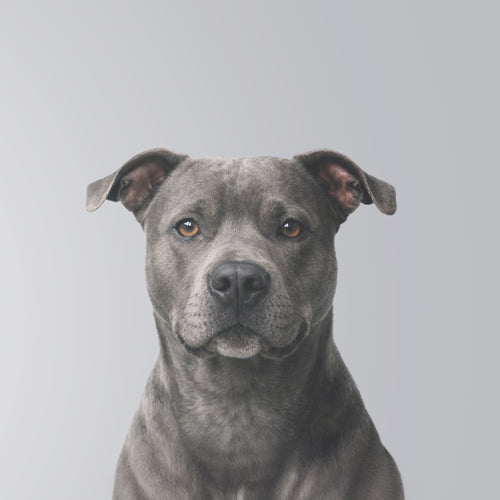
Giant Schnauzer
Features


Origins
The Giant Schnauzer has its origins in Bavaria, Germany, where it was developed from the Standard Schnauzer crossed with larger breeds such as the Great Dane and the Bouvier des Flandres. The aim was to create a versatile working dog capable of herding livestock and guarding farms. Its name comes from the German term Schnauze, meaning muzzle, referencing the characteristic moustache and prominent eyebrows.
In the late 19th and early 20th century, the Giant Schnauzer was adopted by German police and military forces thanks to its intelligence, physical strength and obedience. During the two World Wars it served as an elite working dog. This heritage explains its determined character and trainability.
Today, the Giant Schnauzer is used in security forces, search and rescue, and as a companion for active families. The Giant demands greater commitment than its smaller relatives in terms of exercise and training. Its popularity has grown throughout Europe.
Characteristics and aptitudes
The Giant Schnauzer is a dog of robust and muscular build, with a well-proportioned square structure. Males reach between 65 and 70 cm in height and weigh between 35 and 47 kg. Its elongated head with prominent eyebrows and thick beard gives it a serious, watchful expression.
The coat is hard and dense with a soft undercoat. Accepted colours are solid black and salt and pepper. The coat does not shed heavily, which can be an advantage for those sensitive to dog hair.
The Giant Schnauzer is dominant, self-confident and loyal. Its intelligence allows rapid learning of complex commands, but it can be independent without consistent training from puppyhood. It is territorial and suspicious of strangers, making it a natural guardian.
Care
Caring for a Giant Schnauzer requires a firm commitment to intense daily exercise of at least two hours. Activities can include running, training sessions, agility and long walks. Lack of exercise leads to destructive behaviour.
The diet should be high quality and protein-rich. Spread meals across two or three daily portions to reduce the risk of gastric dilatation. Avoid intense exercise immediately before or after meals.
The coat requires weekly brushing and professional trimming every two to three months. Regular veterinary check-ups, weight control and dental care are also essential.
Most common diseases
The Giant Schnauzer can be prone to hip dysplasia, a hereditary joint malformation. Preventive X-rays and weight control from puppyhood are the best tools for early detection.
Gastric dilatation-volvulus (bloat) is a medical emergency in which the stomach twists. Spreading meals, using elevated feeders and avoiding intense post-meal exercise are key preventive measures.
Oral melanoma and hypothyroidism also appear in the breed. Regularly check the oral cavity. Hypothyroidism responds well to hormone treatment.
A balanced, high-quality diet is the foundation of your dog's health. Discover our selection of dog food.