Irish Wolfhound
Features


Origins
The Irish Wolfhound is one of the oldest breeds in the world, with a history stretching back over 2,000 years in Ireland. The Celts bred it as a hunting and war dog capable of bringing down Irish elk and wolves. Its figure appears in Irish epic poems and tales of kings and warriors.
In the 19th century, the Irish Wolfhound was nearly extinct. Captain George Augustus Graham dedicated decades from 1862 to reviving the breed by crossing it with Scottish Deerhounds, German Boarhounds and Great Danes. The Kennel Club officially recognised the breed in 1897.
Today the Irish Wolfhound is kept mainly as a companion and show dog. It is the mascot of the Irish Guards regiment of the British Army and remains a cultural emblem of Ireland. Despite its colossal size, it is renowned for its gentle temperament.
Characteristics and aptitudes
The Irish Wolfhound is the tallest dog in the world by breed standard. Males must exceed 79 cm and weigh at least 54 kg, with the largest individuals easily surpassing 85 cm. The body is elegant and muscular, with a long head, small rose-shaped ears and kind eyes.
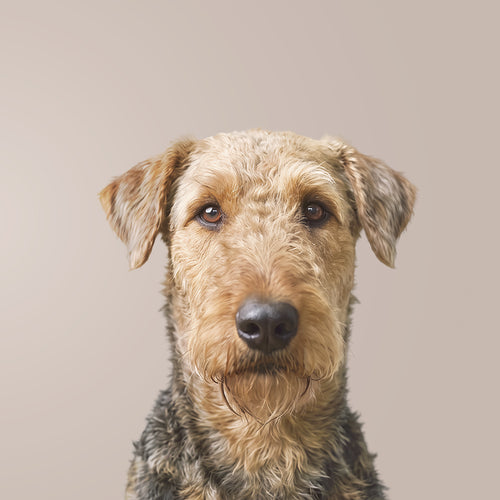
The coat is rough, hard and wiry, especially thick on the head, eyebrows and chin. The most common colours are grey and brindle, though red, black, white and fawn are also accepted. It does not shed massively but needs regular brushing.
The Irish Wolfhound's temperament is calm, patient and exceptionally affectionate. It is not suitable as a guard dog due to its friendly nature with strangers. It gets along well with children and other pets but needs company and does not tolerate prolonged loneliness.
Care
The Irish Wolfhound needs adequate space, ideally a house with a garden. Despite its size, it is calm indoors, but needs moderate daily exercise such as long walks or light runs. Puppies must protect their joints during the first two years of life.
Nutrition is especially critical due to the breed's predisposition to bloat. Meals should be split into two or three daily portions, elevated feeders used, and intense exercise avoided before and after eating.
The coat requires weekly brushing. Frequent professional cuts are not needed, but the beard and eyebrows benefit from occasional trimming. Regular cardiac check-ups are particularly important.
Most common diseases
The leading cause of death in the Irish Wolfhound is dilated cardiomyopathy, a heart muscle disease that reduces pumping capacity. Regular cardiac checks from three years of age are essential for early detection. There is no cure, but appropriate treatment can significantly improve quality of life.
Osteosarcoma, a type of bone cancer, is another common condition, especially in the long bones of the limbs. Warning signs include persistent lameness or limb swelling. Early detection is key.
As with all giant breeds, gastric dilatation-volvulus (bloat) is a serious medical emergency. Splitting meals, avoiding exercise immediately after eating and watching for a bloated abdomen are essential preventive measures.
A balanced, high-quality diet is the foundation of your dog's health. Discover our selection of dog food.