Turkish Van
Features


Origins
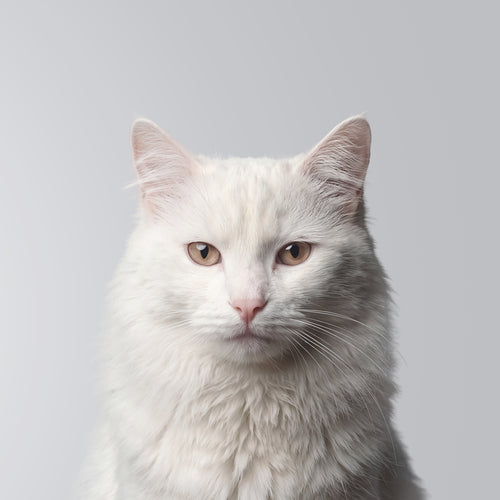
The Turkish Van is an ancient breed originating from the Lake Van region in eastern Turkey. It was introduced to Western Europe in the 1950s by British breeders. It is distinguished by its characteristic Van colour pattern, with a white body and coloured markings only on the head and tail.
Characteristics and aptitudes
The Turkish Van is a medium-to-large, muscular and agile cat. Its semi-long coat lacks an undercoat, making it easy to maintain. It is known for its fascination with water, unusual among cats. Its temperament is active, intelligent and affectionate with its family, although it can be independent with strangers.
Care
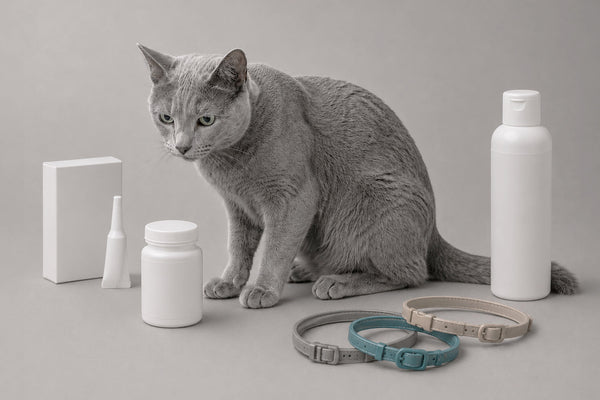
The Turkish Van needs space to move and play, as it is very active. Environmental enrichment with scratching posts, toys and elevated surfaces is recommended. The semi-long coat requires regular brushing but not as much as other long-haired breeds. Veterinary check-ups should include periodic cardiac screening.
Most common diseases
The Turkish Van may be prone to some diseases worth knowing about:
- Hypertrophic cardiomyopathy: thickening of the heart muscle that can affect cardiac function.
- Congenital deafness: can occur in fully white individuals with blue eyes, associated with lack of pigmentation.
A balanced, high-quality diet is key to your cat's health. Discover our selection of cat food.