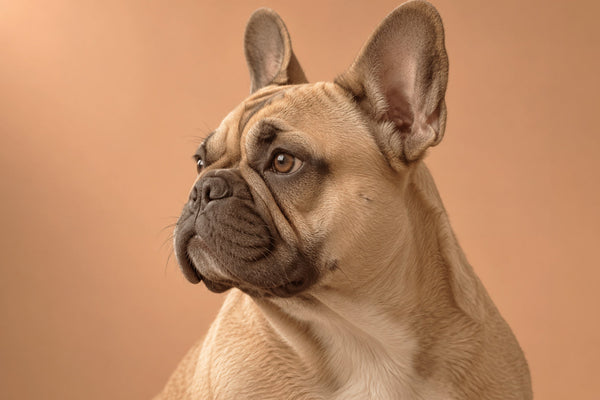
Cavalier King Charles Spaniel
The Cavalier King Charles Spaniel is one of the most elegant and affectionate companion dogs in the world. With its sweet expression, tender look and always cheerful attitude, it has earned a privileged place in homes. Its sociable nature, combined with its balanced temperament, makes it an ideal companion for families with children as well as for elderly people seeking constant affection.
Features


Origins
The origin of the Cavalier King Charles Spaniel dates back to 17th century England, when it was common to see small long-eared dogs accompanying the nobility. Its name comes from King Charles II, a great admirer of the breed, who even decreed that they could enter any public place, including the British Parliament. This dog was valued for its elegant bearing and its closeness to humans.
Over time, the breed evolved and was crossed with other small spaniels and oriental breeds, such as the Pug. It was not until the early 20th century that attempts were made to recover the older version of the companion spaniel, giving rise to the Cavalier King Charles Spaniel as we know it today: an affectionate, elegant dog very attached to its owners.
Characteristics and aptitudes
The Cavalier King Charles Spaniel is characterized by its small, well-proportioned build, with a weight that usually ranges between 5.5 and 8 kg. Its coat is long, silky and can come in various colors, including tricolor, Blenheim, ruby and black and tan. Its large, dark, round eyes give it a sweet expression that captivates at first sight.
In terms of temperament, the Cavalier is an extremely affectionate dog. It gets along well with everyone: children, adults, other dogs and even cats. It loves company, so it does not tolerate prolonged loneliness well. It is a sensitive dog that responds very well to positive reinforcement and family routines. Its attitude is always marked by joy and the need for affection.
Furthermore, it has a great capacity for adaptation. Despite its noble origins, it is active and curious, enjoying both quiet life at home and walks and games outdoors. The Cavalier King Charles Spaniel is an excellent companion dog and can also excel in disciplines such as obedience or animal-assisted therapy.
Care
The Cavalier's coat requires regular brushing to avoid tangles and maintain its silky texture. Although frequent cuts are not necessary, good hygiene in the area of the ears and paws is recommended, where dirt can accumulate. It is also advisable to check the eyes frequently, as they tend to water slightly.
In terms of exercise, this dog needs moderate daily activity. Although it does not require great physical exertion like more active breeds, it is important to keep it moving to avoid excess weight and strengthen its physical and mental wellbeing. Short walks and games at home are usually sufficient to meet its needs.
Finally, it is essential to offer it a quality diet adapted to small breeds. Its appetite can be high, so it is important to control portions and avoid excessive treats. A balanced diet, combined with regular veterinary visits, will allow it to enjoy a long and healthy life.
Most common diseases
Despite its robust appearance, this breed has a significant genetic predisposition to heart problems, particularly Mitral Valve Disease (MVD), which can appear from the age of 5. Regular vet visits including annual cardiac auscultations are essential.
Another important condition is syringomyelia, a neurological disorder that can cause chronic pain. Eye and ear problems due to the long drooping ears can also occur.
With regular vet check-ups, appropriate nutrition and consistent care, the Cavalier can enjoy a long and happy life. Discover our selection of dog food for small breeds and companion dogs.