
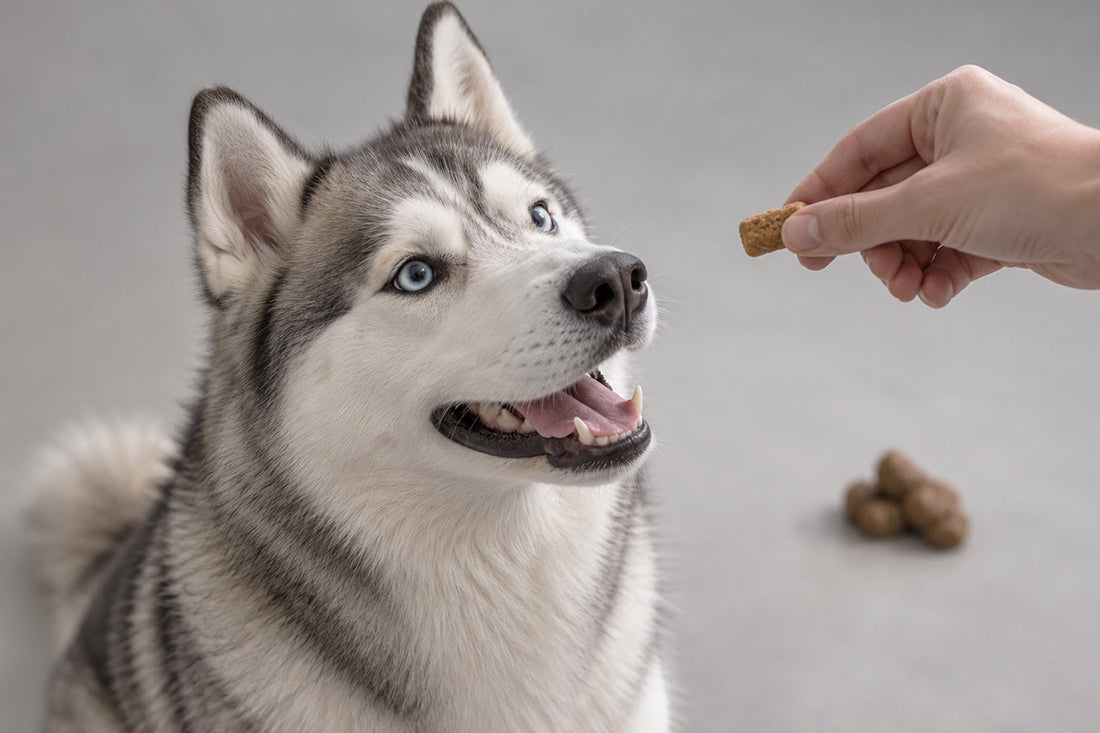
There are behaviours in dogs that are baffling, and few generate as much disgust as this one. You are walking peacefully and suddenly your dog turns around, approaches… and does something you would rather never see: your dog eating faeces. Coprophagia in dogs is more common than it seems, but understanding why it happens is key to correcting it without frustration or mistakes that worsen the situation.
What is coprophagia in dogs and why should you be concerned?
Coprophagia is the behaviour by which a dog ingests faeces, whether its own, from other dogs or even other animals. Even if it initially appears to be an isolated incident or a simple "quirk", when it repeats over time it is worth paying attention to, as it can be a sign that something is not working correctly in its routine, diet or health status.
Beyond how unpleasant it is, this habit can have real consequences. Eating faeces exposes the dog to intestinal parasites, bacteria and viruses, especially if it consumes other animals' excrement. It can also cause digestive imbalances, infections or even worsen pre-existing problems. This is why, even though many owners initially play it down, it is important to address it as soon as possible.
Why dogs eat faeces: most frequent causes
Coprophagia does not have a single explanation, and that is precisely the key to understanding it. In many cases it is the result of a combination of physical, emotional and learning factors. Some dogs do it out of curiosity, others out of boredom or anxiety, and in other cases it may be linked to nutritional deficiencies or digestive problems not properly addressed.
The environment also has a big influence. A puppy may develop this habit simply through imitation, while an adult dog may do it as a way to manage stress or even to avoid punishment if it was previously scolded for toileting indoors.
Summary of the most common causes of coprophagia in dogs
- Curiosity or exploration: Especially in puppies, the world is explored with the mouth. Faeces are part of that environment and can be attractive due to their smell or texture.
- Imitation of the mother or other dogs: During the first weeks, some puppies copy natural behaviours. If not corrected in time, this can persist.
- Anxiety, stress or boredom: Dogs that spend a lot of time alone or with little stimulation may develop this behaviour as an outlet.
- Seeking attention: If the dog has learned that this behaviour generates a reaction (even a negative one), it may repeat it to interact with you.
- Nutritional deficiencies or poor diet: A low-quality or indigestible diet can push the dog to seek nutrients elsewhere.
- Medical or digestive problems: Parasites, pancreatic insufficiency or hormonal problems can increase appetite or alter eating behaviour.
How to tell if coprophagia may be related to a health problem
Changes in appetite
If your dog seems constantly hungry or shows anxiety around food, there may be an underlying problem. This behaviour is not always normal and can be linked to metabolic or digestive alterations.
Digestive problems
Soft stools, frequent diarrhoea or heavy digestion can indicate that its digestive system is not working correctly. In these cases, coprophagia can be a direct consequence of poor nutrient absorption.
Weight loss or poor body condition
If your dog eats well but loses weight or cannot maintain its condition, there may be a nutritional deficiency. This can push it to instinctively seek other food sources.
Lethargy or behavioural changes
A dog with less energy or changes in its usual behaviour may be signalling a health problem. It is important to rule out medical causes as soon as possible.
How to stop a dog from eating faeces
Correcting this behaviour requires patience, but above all strategy. It is not about punishing, but about understanding what triggers it and acting accordingly. In many cases, improving its daily routine, increasing stimulation and adjusting the diet can make a big difference within a few weeks.
- Pick up faeces immediately: Preventing access is the first step to breaking the habit.
- Reward good behaviour: Giving a natural treat when it ignores the faeces is far more effective than punishing failure.
- Increase exercise and mental stimulation: An active, stimulated dog with the right toys has fewer compulsive behaviours.
- Work on commands like "leave it" or "come": These are key tools to interrupt the behaviour in the moment.
- Avoid punishment or shouting: It only generates stress and can reinforce the problem.
- Consult a professional if it persists: A vet or canine behaviourist can help you identify the real cause.
Nutrition and coprophagia: what role does diet play
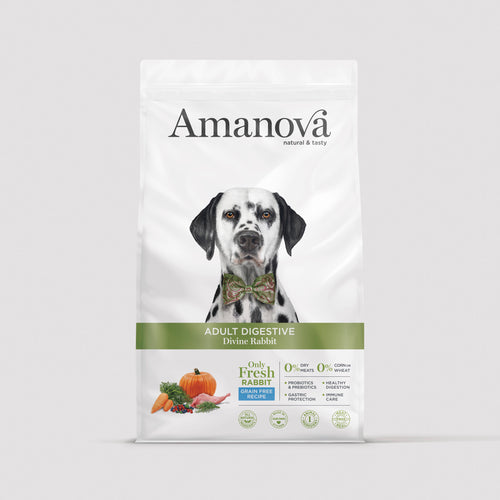
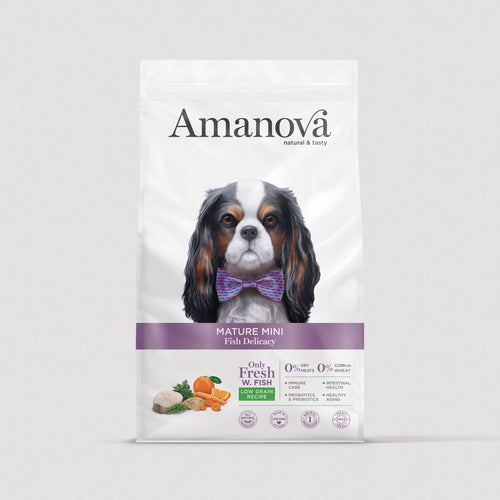
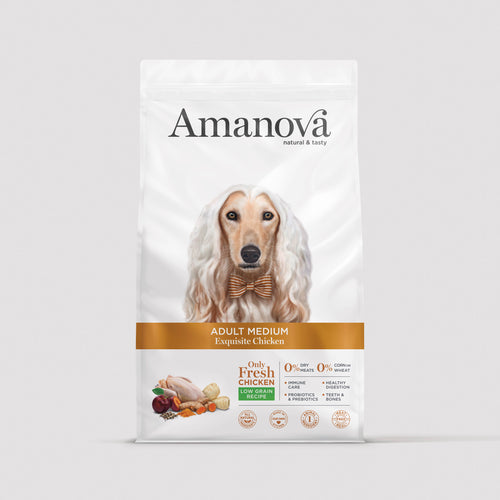
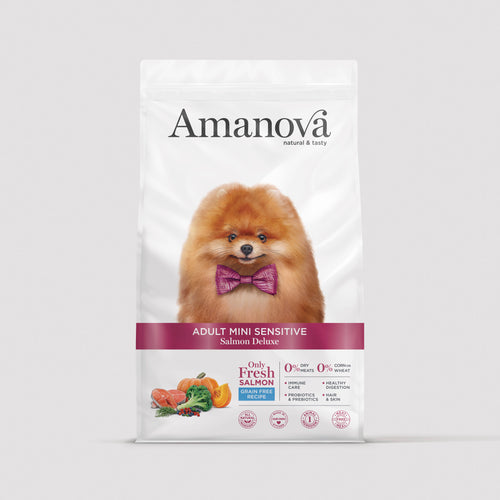
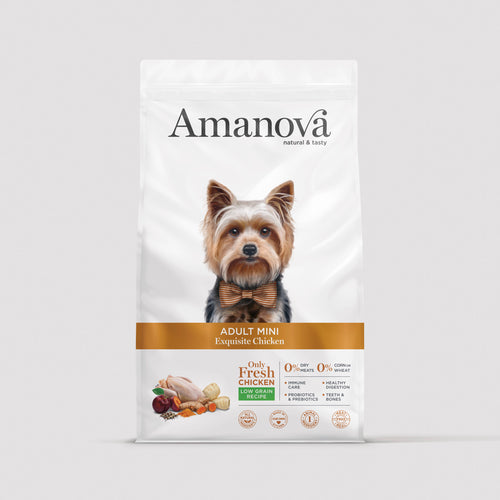
Diet is one of the most undervalued factors in this problem. A dog that does not receive an adequate diet may develop behaviours like coprophagia to compensate for deficiencies. Choosing quality food is not merely a matter of aesthetics or brand, but of real health and internal balance.
Good food must include quality animal proteins, healthy fats and high digestibility, so that the body can truly assimilate the nutrients. Furthermore, an adequate diet helps maintain a balanced gut flora, which improves digestion and reduces behaviours associated with digestive discomfort. In many cases, improving the quality of the food is enough to notice positive changes within a few weeks. Explore our complete selection of dog food with real, balanced ingredients designed to improve digestion and the overall wellbeing of your furry friend. If you want to help it feel better from the inside and reduce behaviours like coprophagia, also check our supplements for digestive health and internal wellbeing.


