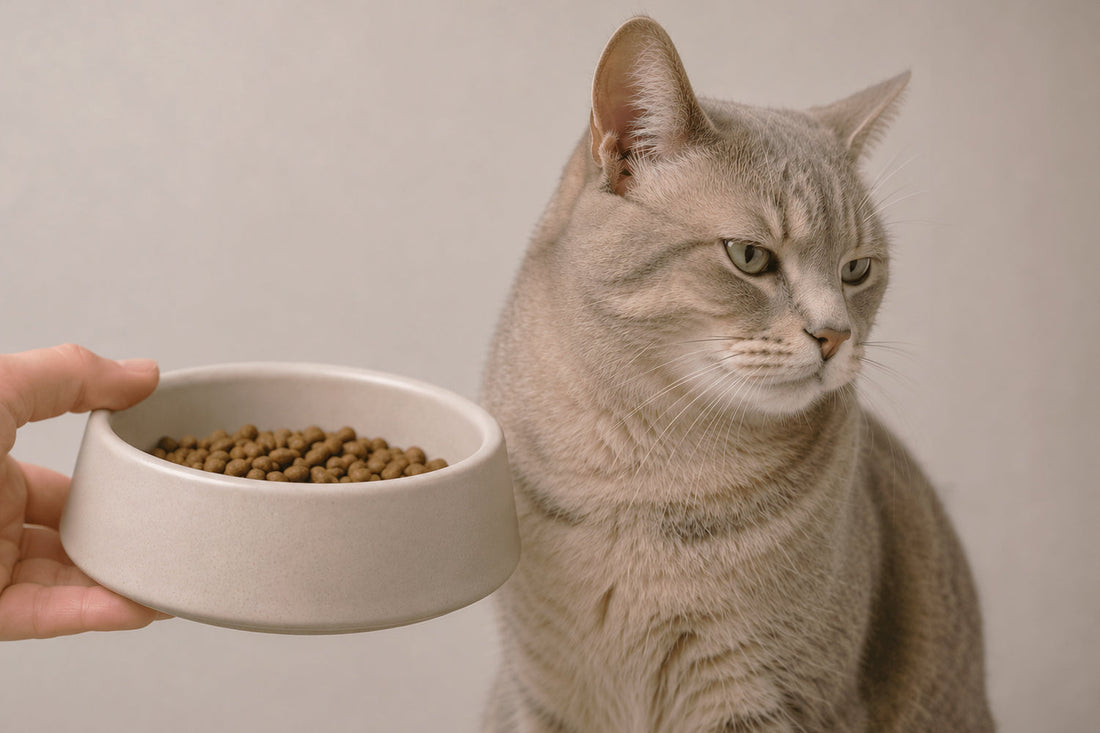
The diet of our feline friends is crucial for their overall health. When a cat suddenly stops eating or eats very little, it is essential to find the reasons why.
Cats are selective eaters by nature. But when a cat suddenly stops eating, this could indicate a serious problem. Unlike dogs, which tend to eat almost anything, cats are pickier, which means it can sometimes be difficult to determine whether a cat is not eating out of preference or due to a serious health issue.
In this article, we will explain why your cat may not be eating, which symptoms may indicate a health issue, and what you can do if your cat stops eating.
Why is my cat not eating? 9 reasons
If your cat stops eating, it could be due to various reasons. Here are some possible causes:
- Stress: Cats are stress-sensitive animals. Changes in their environment, such as moving, a new pet, or a new family member, can affect your cat's appetite.
- Illness: Various conditions such as kidney disease, liver disease, diabetes, infections, and others can reduce a cat’s appetite.
- Pain: If your cat is in pain due to an injury or illness, they may have less appetite.
- Food preferences: Sometimes a cat simply doesn’t like a particular food.
- Age: Older cats may have a reduced appetite.
- New environment: If your cat has recently moved, they may eat less due to stress and insecurity.
- Medications: Some medications can reduce a cat’s appetite.
- Digestive issues: If your cat is suffering from constipation or diarrhea, they may eat less.
- Dental or mouth problems: If your cat has dental or mouth issues, they may eat less due to pain while eating.
If you notice that your cat has suddenly stopped eating or is eating less than usual, it is important to see a veterinarian. The vet can diagnose the cause of the problem and recommend the appropriate treatment.
What to do if my cat is not eating?
If your cat stops eating, there are some steps you can take:
- See a vet: If your cat has not eaten for more than 24–48 hours, it is important to see a veterinarian.
- Change the food: Try changing your cat’s food. Sometimes a cat simply doesn’t like a particular food.
- Consider warming the food: Warming the food can enhance the smell and make it more appealing to your cat.
- Give your cat a quiet eating environment: Try to provide your cat with a calm environment for eating, away from noise and other pets.
- Play with your cat: Sometimes a cat just wants to play before eating. A brief play session before meals could help stimulate your cat’s appetite.
In the area of cat food products, we recommend trying the cat food products from Onlyfresh, which are made from 100% fresh ingredients and specifically formulated for your cat’s needs.