
Bringing a puppy home is one of those moments you will never forget. And even though the excitement is enormous, the first days bring many questions: what does a puppy eat? Where should it sleep? What does it need to feel safe? In this article, we explain everything you need to have ready before your new companion arrives.
Puppy nutrition: the number one priority
One of the most common mistakes of new owners is feeding the puppy adult food. Puppies have very different nutritional needs: they require more protein, more calcium and more energy per kilogram of body weight to support their rapid growth. Using food specifically designed for them is not a luxury, it is a necessity.
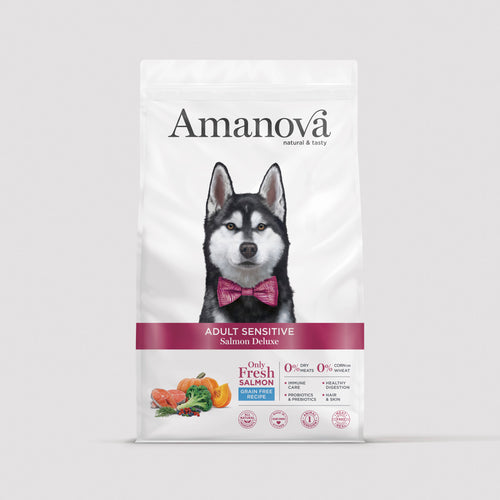
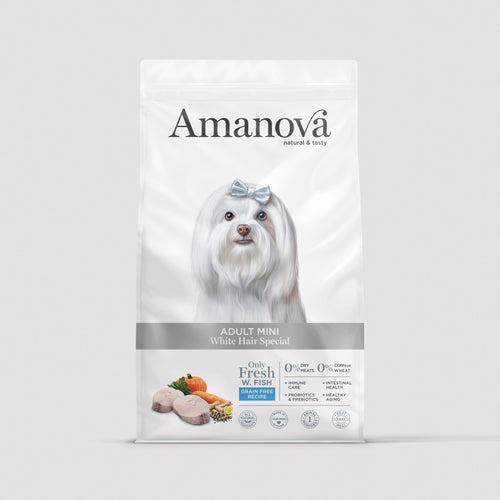
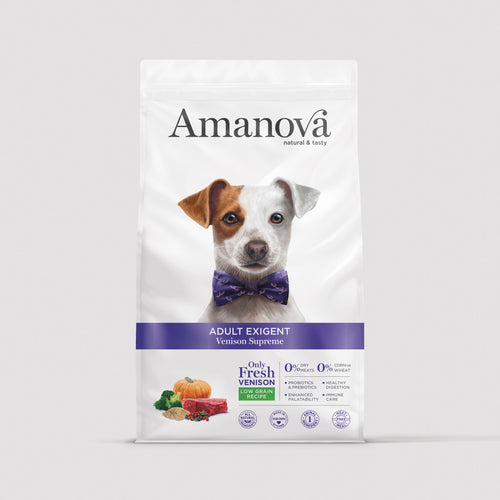
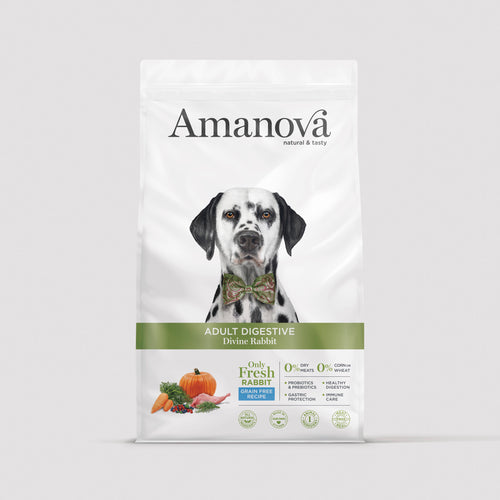
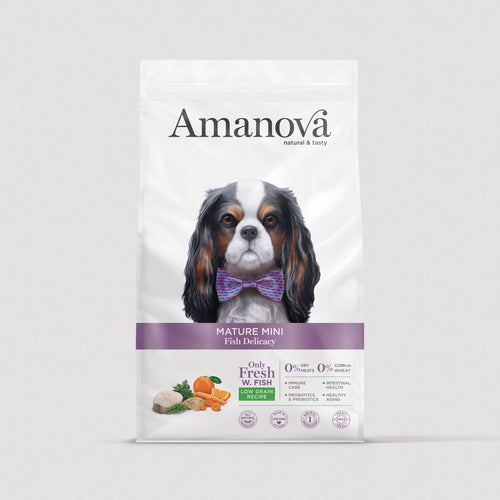
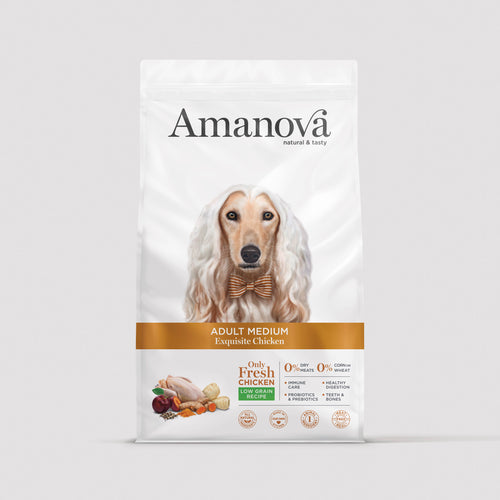
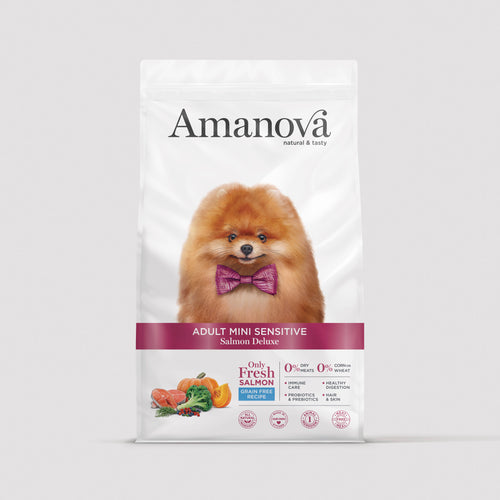
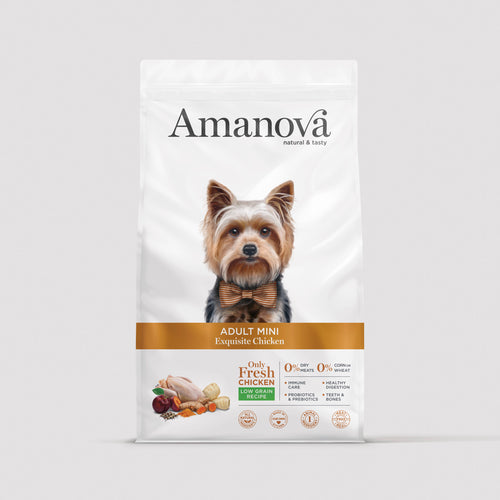
Good puppy food should have fresh meat as the first ingredient, with no animal meals or artificial preservatives. Quality protein is essential for muscle development, while calcium and phosphorus in the correct proportion guarantee strong bones. Always choose a food adapted to the puppy's size: the needs of a Golden Retriever or a Boxer are not the same as those of a Chihuahua or a Dachshund.
In the first days, if the puppy arrives younger than 10 weeks, it may not want to eat much: it is stressed by the change. Offer it small and frequent portions, three or four times a day. You can moisten the kibble with warm water or combine it with a little wet food for dogs to make it more appealing.
The rest area: where and how your puppy should sleep
Puppies need between 16 and 18 hours of sleep per day. Growing is exhausting work. That is why one of the first things you need to prepare is a quiet corner where it can rest undisturbed.
Choose a bed for your puppy with high sides that gives it a sense of protection. Models with soft, washable padding are ideal, as accidents in the first weeks are inevitable. Place the bed away from draughts and close to where you usually are, so it does not feel alone. A soft toy or a piece of your clothing can help it calm down during the first nights.
Food and water bowls: the essentials from day one
Before the puppy arrives, have food and water bowls ready. Ceramic or stainless steel ones are better than plastic: they do not accumulate bacteria and are easier to clean. Place the water bowl in an accessible spot and refresh the water several times a day: puppies dehydrate more easily than adults.
The first vet visit
In the first few days, schedule a check-up even if the puppy seems healthy. The vet will check its general condition, the vaccination schedule and give you guidance on deworming. It is also the ideal moment to confirm that the chosen food is right for your puppy's breed and size.
Tips for the first days at home
- Do not overstimulate the puppy in the first days: give it time to explore at its own pace.
- Establish a routine from the very first day: the same mealtimes, the same walks and the same bedtime.
- Put on its collar and ID tag from the very first moment.
- Puppy-proof the space: electrical cables, toxic plants and small objects can be dangerous.
- Have patience with accidents. Toilet training takes time and consistency.
- Prepare some puppy toys: they stimulate their cognitive development and help channel their energy safely.
With good nutrition, an adequate resting space and plenty of love, your puppy will have everything it needs to grow up healthy and happy.


