

Feeding dogs and cats is one of the biggest concerns for people who share their lives with pets. Choosing a balanced, safe food that suits each pet's needs is essential for their wellbeing and long-term health. In this context, dry food — also known as kibble — remains one of the most widely used options in dog and cat nutrition. Indeed, industry bodies such as the Spanish National Association of Pet Food Manufacturers (ANFAAC) point out that these foods are designed to provide complete and safe nutrition when they are made to the appropriate quality and control standards.
This type of food is formulated to provide complete, balanced nutrition in every daily portion. Kibble combines proteins, fats, vitamins and minerals in specific proportions to meet each animal's nutritional needs according to its age, size or activity level. In addition, the manufacturing process is based on scientific procedures and quality controls that guarantee the safety of the final product.
Understanding how dry food is made and what controls are in place helps owners make more informed decisions about their pets' diet.
What is dry food for dogs and cats?
Dry food is a complete food designed to meet all the nutritional needs of dogs or cats as part of a balanced daily diet.
Each piece of kibble is formulated to provide the essential nutrients the animal's body needs to function properly. These include:
- Proteins, needed to maintain muscles and tissues.
- Fats, which provide energy and help absorb vitamins.
- Vitamins and minerals, essential for metabolism and the immune system.
- Fibre, which supports digestive balance.
When the food is properly formulated, a daily portion can provide all the nutrients needed to keep the animal healthy.
In addition, the dry format offers practical advantages for both pet and owner, as it keeps for longer and is easy to portion.
A food subject to strict quality controls
The pet food industry is governed by strict regulations that guarantee the safety and quality of products. These regulations control different aspects of the production process, from the selection of ingredients to labelling and traceability.
Manufacturers must meet rigorous standards relating to:
- Food safety.
- The origin of raw materials.
- Manufacturing processes.
- Health controls.
- Correct nutritional information on the label.
In addition, many companies in the sector follow codes of good practice that set out additional procedures to ensure safe, high-quality food.
How dry food is made, step by step
Making dry food combines food technology, animal nutrition and strict health controls. Each stage of the process is designed to guarantee a balanced and safe food.
Selecting the raw materials
The process begins with the selection of ingredients. Pet foods can include raw materials of animal or plant origin, chosen according to the product's nutritional formula.
In many cases, the animal ingredients come from parts of the animal that are not usually eaten in the human diet for cultural or dietary reasons, but which are perfectly safe and nutritionally valuable. These raw materials have previously passed veterinary and health checks that guarantee their safety.
The ingredients used may include:
- Organs such as liver, heart or kidneys.
- Nutrient-rich meat by-products.
- Cereals or vegetables that provide energy.
- Fats that contribute to the energy supply.
Grinding and mixing the ingredients
Once selected, the ingredients are ground and mixed until evenly blended.
This step is essential to ensure that all the nutrients are distributed uniformly throughout the mixture. This way, every piece of kibble has the same nutritional composition and provides the same balance of nutrients.
The final mixture is prepared according to the formula designed by animal nutrition specialists.
Extrusion: the key technology in the process
One of the most important stages in the production of dry food is extrusion.
During this process, the mixture of ingredients is subjected to high temperatures and pressure inside a specialised machine. This treatment serves several purposes at once:
- It cooks the ingredients.
- It improves the food's digestibility.
- It eliminates potential pathogenic microorganisms.
- It shapes the kibble.
Thanks to this process, the food acquires the characteristic texture of dry food.
Drying and cooling
After extrusion, the kibble contains moisture that must be reduced to ensure it keeps well.
To do this, it goes through an oven-drying process that removes the excess water. The product is then cooled to stabilise its structure and prevent deterioration during storage.
This step is key to keeping the food fresh and extending its shelf life.
Coating to improve flavour and preservation
Once dried and cooled, the kibble is coated with an outer layer that may include oils, fats or natural flavourings.
This coating has two main aims:
- To improve palatability, making the food more appealing to animals.
- To help preserve it, keeping the product's properties intact for longer.
Thanks to this process, the food is more appealing to dogs and cats.
Packaging and distribution
The last step in the process is packaging.
At this stage, the food is placed in sealed packs that protect it from moisture, air and other external factors. The packs are filled to the declared weight and then stored ready for distribution.
A proper seal is essential to maintain the quality and safety of the food until it reaches the consumer.
Advantages of dry food in pet nutrition
Dry food offers several advantages that explain its popularity among dog and cat owners.
The main ones include:
- Long shelf life. Its low moisture content means the food keeps for long periods without refrigeration.
- Easy storage. Packs can easily be kept at home, and once opened the food stays stable if stored correctly.
- Simple portioning. Portions can easily be measured following the manufacturer's recommendations.
- Balanced nutrition. When well formulated, dry food provides all the nutrients needed to keep the animal healthy.
How to choose a quality dry food for your pet
Although dry food can be a balanced option, not all products have the same nutritional quality. It is therefore important to bear a few things in mind before choosing a food.
The most important factors include:
- The quality of the proteins used.
- Transparency in the ingredient list.
- How well the food suits the animal's age, size and activity level.
- The digestibility of the formula.
It is also advisable to choose brands that use carefully selected ingredients and balanced formulations.
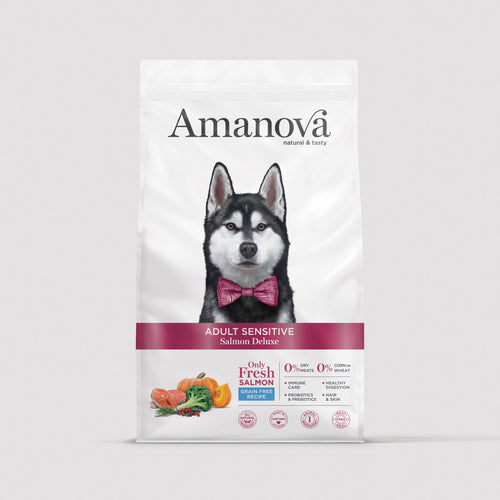
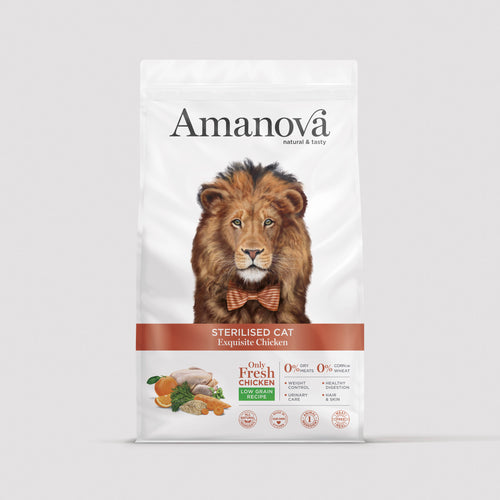
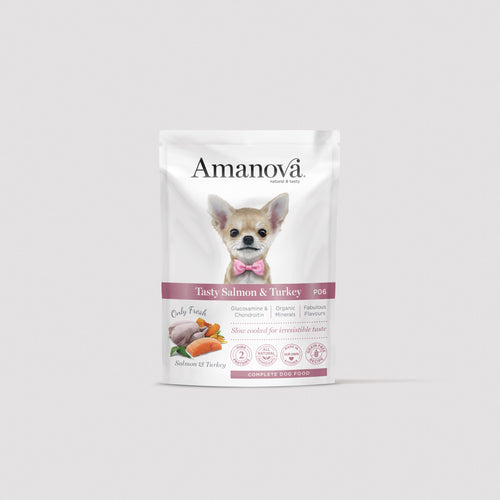
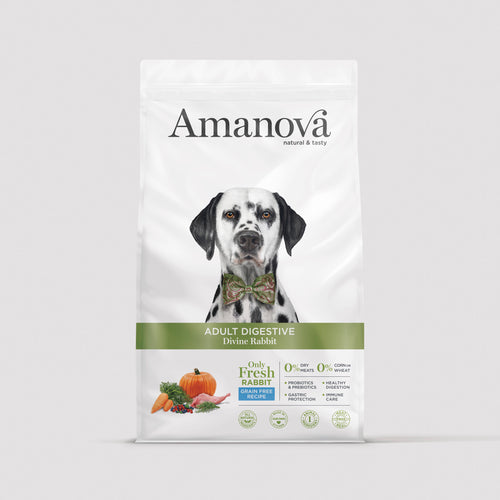
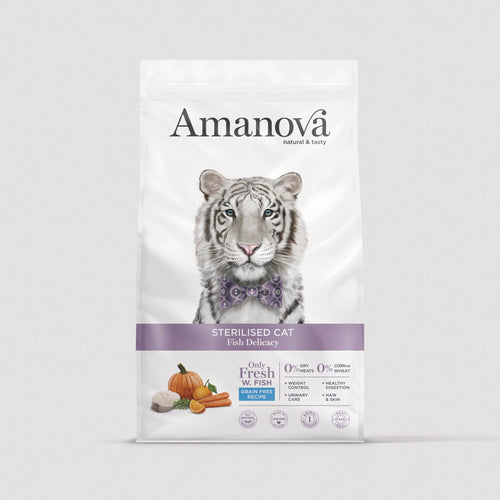
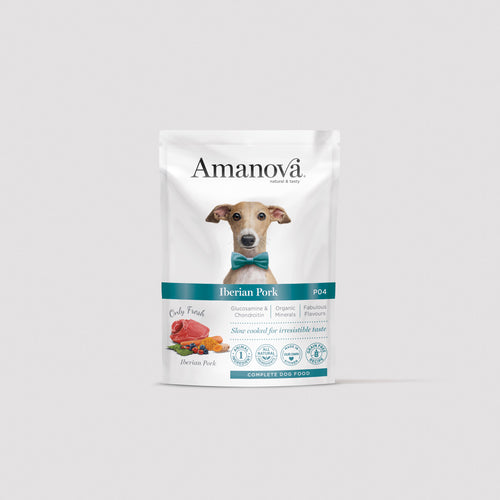
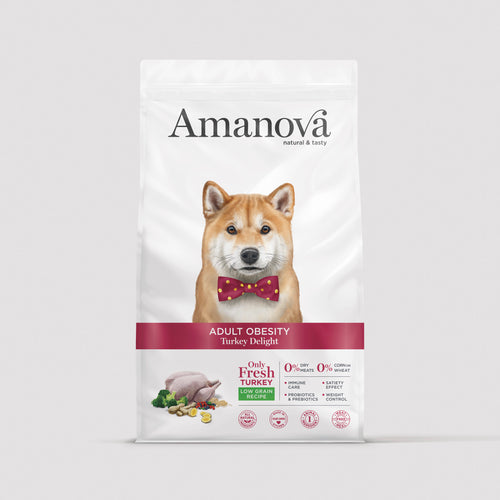
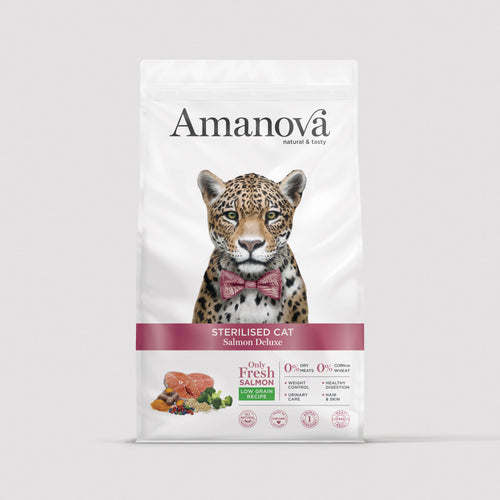
At specialist shops such as OnlyFresh, for example, you can find natural food and premium kibble options made by well-known brands such as Harper and Bone, Amanova or TrovetPlus, which stand out for the quality of their ingredients and the care they put into their formulations.
The importance of learning about pet nutrition
Nutrition plays a fundamental role in the health of companion animals. A suitable diet can influence many aspects of their wellbeing, such as the condition of their coat, their daily energy or their digestive health.
For this reason, it is advisable for owners to seek information from professionals and reliable sources before choosing the most suitable type of food for their pet.
Understanding how pet food is made and what controls are in place allows you to make more conscious and responsible decisions.


