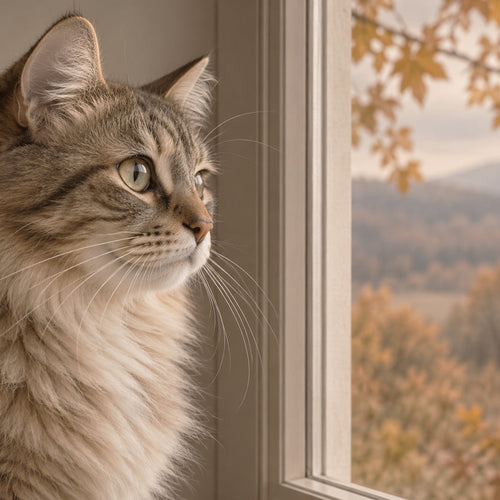
If in autumn you notice that the sofa, your clothes and even your food are covered in your pet's fur, you are not alone. The autumn moult is one of the most common and yet most underestimated phenomena of life with dogs and cats. Understanding it will help you manage it better — and diet is a key factor that many owners overlook.
What is moulting and why does it happen in autumn?
Moulting is the process by which dogs and cats renew their coat periodically. Under natural conditions, moulting is regulated primarily by photoperiod: the length of the day. As the days shorten in autumn, the body receives the signal to exchange the lighter summer coat for a denser, more insulating one prepared for the cold.
In dogs and cats that live indoors with artificial light, moulting may be more continuous and spread throughout the year, but the autumn moult tends to be more intense nonetheless.
How long does the autumn moult last?
Under normal conditions, the autumn moult lasts between 4 and 8 weeks. During this period, the amount of loose fur increases considerably. In long-haired breeds or those with a dense undercoat (Golden Retriever, Husky, Maine Coon, Persian), the moult can be especially pronounced.
A moult that lasts more than 2–3 months, that creates visible areas of alopecia, or that is accompanied by changes in the skin (irritation, flaking, redness) may indicate an underlying problem: nutritional deficiency, hypothyroidism, allergies or stress. In that case, consult your vet.
Breeds that shed more
- Dogs: Golden Retriever, Labrador, Siberian Husky, German Shepherd, Border Collie, Samoyed, Corgi.
- Short-haired breeds with heavy shedding: Beagle, Boxer, Dalmatian.
- Cats: Persian, Maine Coon, Ragdoll, Norwegian Forest Cat.
- Breeds with minimal shedding: Poodle, Maltese, Yorkshire Terrier (dogs); Rex (cats).
How to manage the autumn moult: practical care
Regular brushing
Brushing is the most important tool during moulting. It removes dead fur before it falls to the floor and reduces the formation of knots in long-haired breeds. During the autumn moult, brush:
- Long-haired breeds or those with a dense undercoat: daily or every other day.
- Short-haired breeds: 2–3 times per week.
- Cats: daily if long-haired; for short-haired cats, 2–3 times per week is sufficient.
Use the right brush for the coat type: a slicker brush for long hair, a rubber glove or furminator for the undercoat, a soft brush for fine hair. Find brushes, shampoos and specific grooming products for the moulting season in our grooming and beauty section.
Bathing during moulting
A bath with a good pet-specific shampoo can help loosen dead fur and speed up the moult. Ideally, bathe your dog or cat at the start of the intense moult and then brush thoroughly once dry. Do not bathe too frequently: this can dry out the skin and worsen the process.
The role of nutrition in healthy moulting
The quality of the coat directly reflects the quality of the diet. During moulting, the body needs a greater quantity of nutrients to produce new fur efficiently. The most important are:
High-quality protein
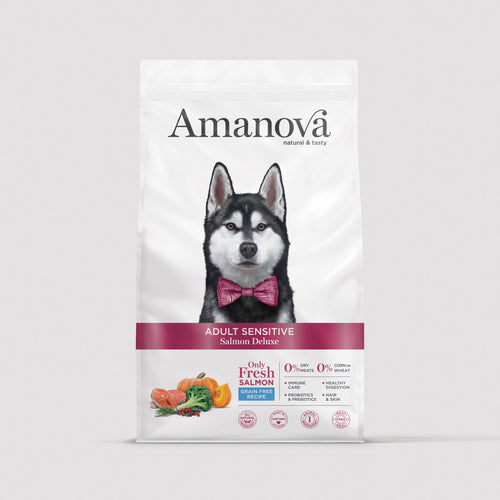
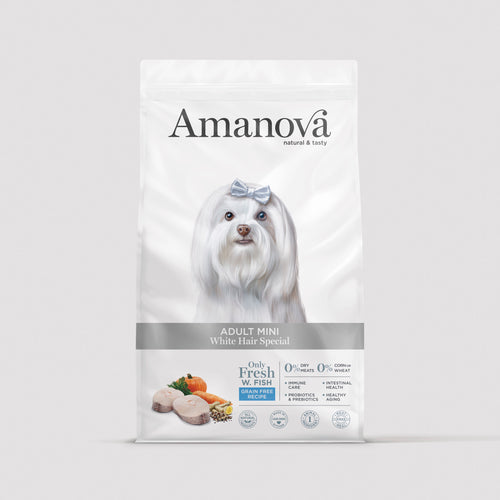
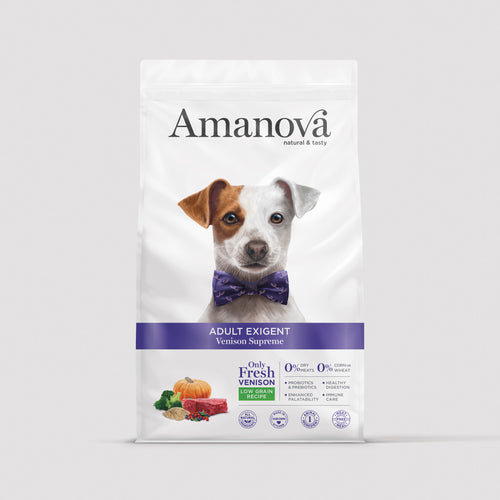
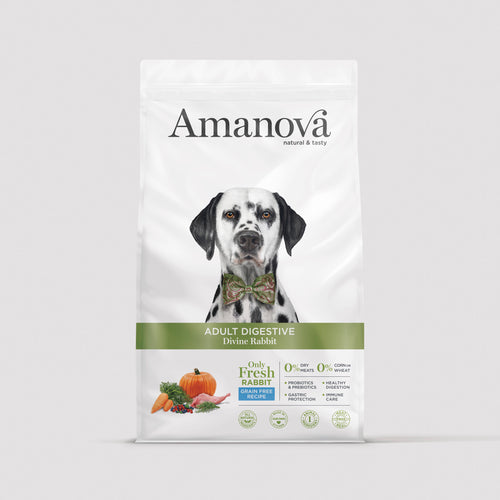
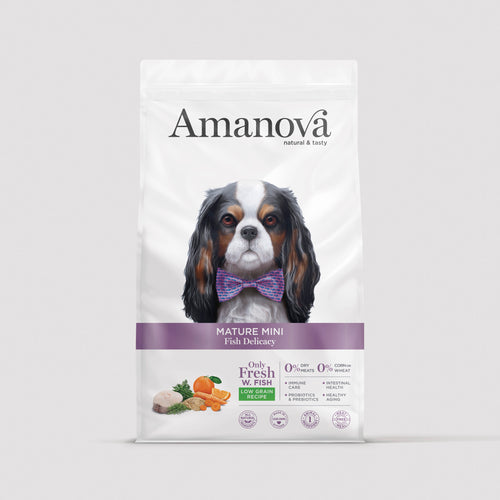
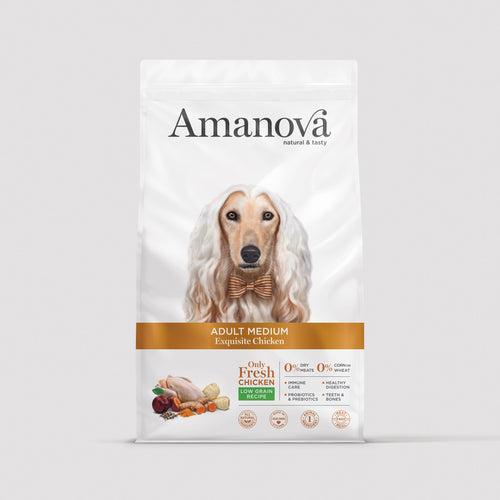
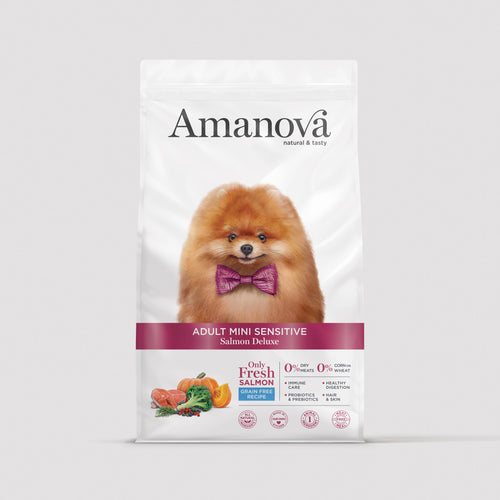
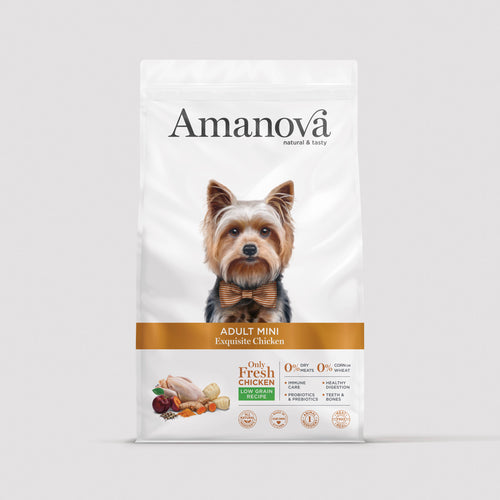
Fur is composed almost entirely of keratin, a protein. A diet with a high content of quality animal protein (chicken, salmon, beef, lamb) ensures the body has the amino acids needed to build the new coat. Foods with a low protein percentage or based on low-quality by-products hinder efficient moulting.
For dogs, the Amanova for dogs range offers recipes with a high proportion of fresh meat, grain-free and with sustainably sourced ingredients, ideal for supporting coat health in all seasons.
For cats, the Amanova for cats range combines a high protein content with exceptional palatability, in both dry and wet formats that support hydration and skin health.
Omega-3 and omega-6 fatty acids
Omega-3s (EPA and DHA, found in salmon oil and oily fish) and omega-6s (found in vegetable oils) are essential for maintaining a hydrated skin barrier and a shiny, strong coat. A deficiency in essential fatty acids frequently manifests as dull, brittle fur, excess dandruff and slower or incomplete moulting.
If your pet has a particularly intense moult or a coat in poor condition, ask your vet whether they might benefit from a salmon oil supplement or a food enriched with omega-3s.
Zinc and B vitamins
Zinc and B vitamins (particularly biotin) are directly related to hair and skin health. Premium foods generally contain adequate levels. If you are using a quality food and moulting remains problematic, a specific supplement may help — always under veterinary recommendation.
Hydration: the forgotten factor
Insufficient hydration can worsen coat quality and prolong moulting. Make sure your pet always has access to fresh water. In the case of cats, who naturally drink little, increasing the proportion of wet food in their diet can make a significant difference to coat quality.
When to be concerned: warning signs
- Localised alopecia (clearly defined bald patches)
- Intense itching associated with moulting
- Irritated, reddened or crusted skin beneath loose fur
- Moulting that does not stop after 3 months
- Simultaneous weight loss or behavioural changes
These symptoms may indicate hypothyroidism, food or skin allergies, fungal infections or chronic stress. Your vet can guide the diagnosis with basic blood tests.
Conclusion
The autumn moult is a natural and inevitable process, but it is manageable. With the right brushing, a strategic bath and above all a diet rich in quality animal protein and essential fatty acids, you can help your pet complete the moult efficiently and maintain a healthy coat throughout the year. At OnlyFresh you will find nutrition options from brands such as Amanova for dogs and Amanova for cats, formulated with the nutrients the coat needs.