English Setter
Features


Origins
The English Setter is one of the oldest gun dog breeds in Great Britain, with records dating back to the 19th century. It was developed to locate and point birds in open country. Edward Laverack and R. Purcell Llewellin were the breeders who defined the two main types of the breed.
Characteristics and aptitudes
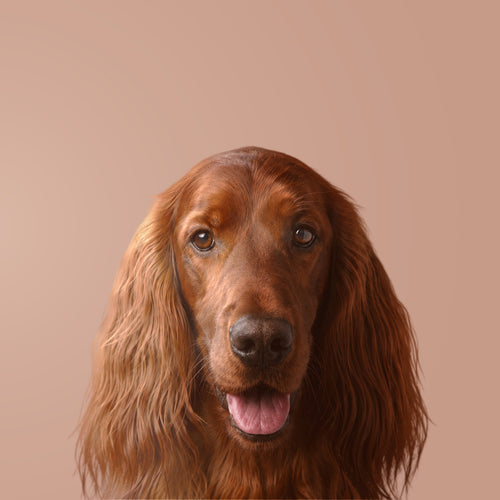
The English Setter is a large, elegant and athletic dog with a very distinctive long, silky coat. Its temperament is affectionate, gentle and energetic: it loves outdoor life but also enjoys family company. It is sociable with children and other pets, and stands out for its sensitivity and need for a close bond with people.
Care
The English Setter needs intense daily exercise — ideally outdoors in wide open spaces — to channel its energy. It requires mental stimulation and does not tolerate prolonged isolation well. Coat maintenance is demanding and must be checked regularly. Routine vet check-ups should include monitoring of joints, thyroid and hearing.
Most common diseases
The English Setter may be prone to some conditions worth knowing about:
- Hip dysplasia: hereditary joint malformation that can cause pain and lameness.
- Hypothyroidism: insufficient production of thyroid hormone that affects metabolism.
- Congenital deafness: can appear especially in dogs with a lot of white in their coat.
- Osteosarcoma: malignant bone tumour more common in large breeds.
A balanced, high-quality diet is key to your dog's health. Discover our selection of dog food.