Savannah Cat
Features


Origins
The Savannah Cat is a hybrid breed created in the United States by crossing an African serval (Leptailurus serval) with a domestic cat. The first known generations date back to the 1980s, although the breed was officially recognised by the TICA in the early 2000s. Its name refers to the African savannas where the serval originates.
Characteristics and aptitudes
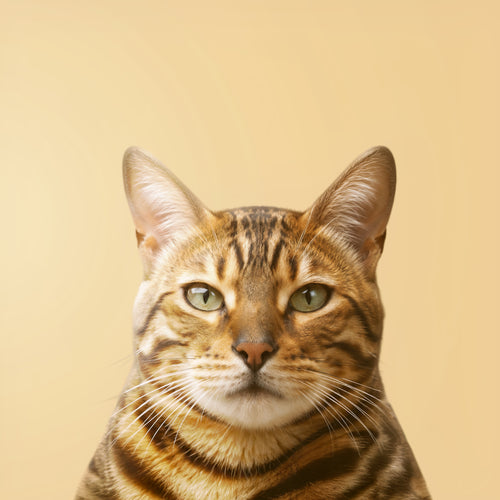
The Savannah Cat is one of the largest domestic cats in the world, with a long, slender and very muscular body. Its short spotted coat is reminiscent of a miniature leopard. It is intelligent, curious and very active: it loves water, learns tricks and can follow its owner throughout the house. It requires a great deal of stimulation and space.
Care
The Savannah Cat needs an enriched environment: tall scratching posts, interactive toys and space to move around. It is not the ideal breed for small apartments or busy owners. It requires early socialisation and a high-quality diet adapted to its active nature. Vet check-ups should include regular cardiac monitoring.
Most common diseases
The Savannah Cat may be prone to some health conditions worth knowing about:
- Hypertrophic cardiomyopathy: thickening of the heart muscle that can affect heart function; periodic echocardiography is recommended.
- Digestive issues: gastrointestinal sensitivity common in early generations if the diet is not suited to their specific needs.
A balanced, high-quality diet is key to your cat's health. Discover our selection of cat food.