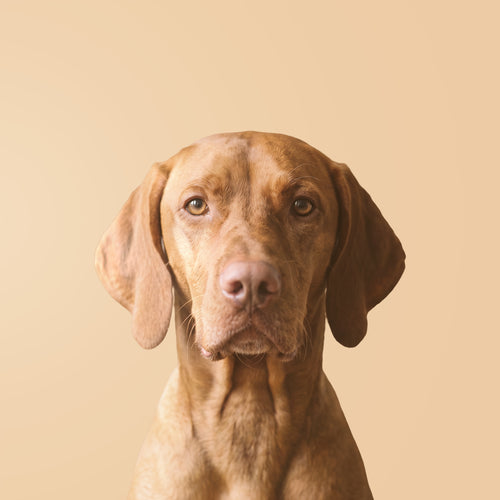
German Shorthaired Pointer
Features


Origins
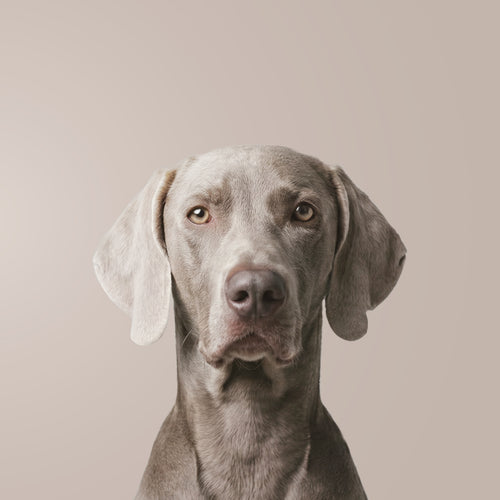
The German Shorthaired Pointer (German: Deutsch Kurzhaar) was developed in Germany during the 19th century as a versatile pointing and retrieving dog. It was created by crossing Spanish braccos, German hounds and English pointers, resulting in a versatile dog for hunting both on land and in water.
Characteristics and aptitudes
The German Shorthaired Pointer is a medium to large-sized, athletic and well-proportioned dog. Its short, dense coat makes maintenance easy. It is intelligent, obedient and highly energetic, with a very strong hunting instinct. At home it is affectionate and balanced, though it needs intense daily exercise to be satisfied.
Care
The German Shorthaired Pointer requires intense daily exercise — at least two hours — and activities that stimulate its natural instinct such as tracking or searching. It adapts poorly to a sedentary life or confined spaces. Early training is essential to channel its energy and instinct. Veterinary check-ups should include joint and digestive control.
Most common diseases
The German Shorthaired Pointer may be prone to some hereditary diseases:
- Hip and elbow dysplasia: joint malformation that can cause chronic pain and difficulty moving.
- Gastric torsion: twisting of the stomach requiring urgent veterinary attention, more common in large deep-chested breeds.
- Entropion: inward folding of the eyelid that irritates the cornea.
- Skin tumours: appearance of masses on the skin that should be checked regularly.
A balanced, high-quality diet is key to your dog's health. Discover our selection of dog food.