
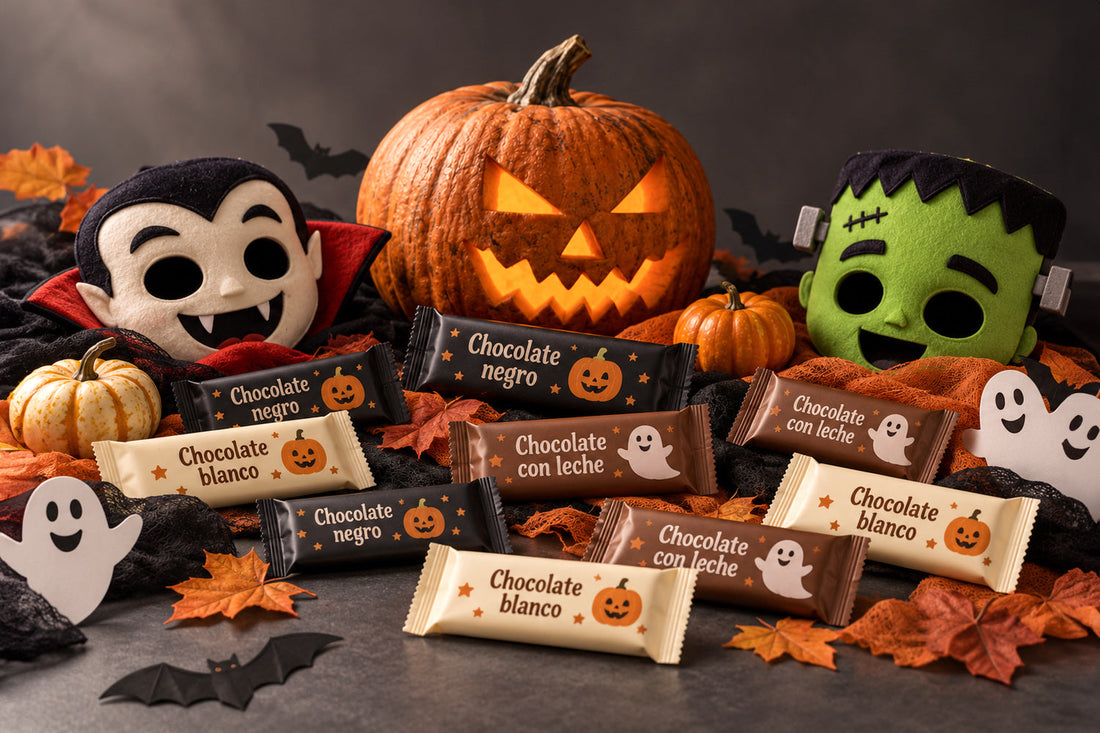
Halloween brings with it decorations, sweets and costumes that delight the little ones, but for dogs and cats it can be one of the most stressful and dangerous nights of the year. Knowing the risks and preparing in advance makes all the difference.
Halloween Chocolates and Sweets: Your Pet's Enemies
The greatest Halloween danger for pets is not ghosts, but sweets. On this night, accidental access to chocolates, chewing gum and sweets is far more likely than usual.
Chocolate: Toxic in All Its Forms
Chocolate contains theobromine and caffeine, two compounds that dogs and cats cannot metabolise properly. The darker and more pure the chocolate, the higher the concentration of theobromine and the greater the risk.
- Dark and baking chocolate: the most dangerous. Even small amounts can cause serious symptoms in small dogs.
- Milk chocolate: less concentrated, but equally toxic in sufficient quantities.
- White chocolate: contains very little theobromine, but is still high in fat and can cause pancreatitis.
Symptoms of chocolate poisoning include: vomiting, diarrhoea, restlessness, tremors, elevated heart rate and, in severe cases, seizures. They typically appear between 6 and 12 hours after ingestion. If you suspect your pet has eaten chocolate, go to the vet immediately without waiting for symptoms.
Xylitol: The Hidden Danger in Sugar-Free Gum and Sweets
Xylitol is a sweetener found in sugar-free chewing gum, diet sweets and some baked goods. It is extremely toxic to dogs: it causes a sudden drop in blood sugar (hypoglycaemia) and can lead to acute liver failure. Symptoms appear between 15 and 30 minutes after ingestion. This is an immediate veterinary emergency.
Other Dangerous Sweets
- Raisins: highly toxic to dogs, they can cause acute kidney failure.
- Very sugary sweets: not strictly toxic, but in large quantities they cause gastroenteritis and, long term, dental and weight problems.
- Wrappers and sticks: risk of intestinal obstruction if swallowed by your dog.
During Halloween, keep all sweets in places completely inaccessible to your pets. Do not leave bags or bowls of sweets within reach of dogs and cats.
Halloween Decorations: More Dangers Than They Appear
- Lit candles: cats are particularly prone to going near them and can burn themselves or knock the candle over and start a fire. Use LED candles.
- Carved pumpkins: dogs may try to eat them. A small amount of pumpkin is not toxic, but it can cause digestive problems if ingested with mould or in large quantities.
- Plastic and rubber decorations: fake Halloween toys, plastic spiders, rubber bones — these pose a risk of intestinal obstruction if your dog chews and swallows them.
- Strobe lighting: can cause disorientation and stress in sensitive pets.
Pet Costumes: When to and When Not to
Halloween costumes for dogs and cats are increasingly popular, but not all animals find them comfortable. Before dressing your pet up, consider:
- Does the costume allow the animal to move normally, see clearly and breathe without difficulty?
- Are there small pieces that they could bite off and swallow?
- Does the animal show signs of stress when you put it on? (trying to remove it, restlessness, hunched posture)
If your pet tolerates the costume well, only put it on for short periods and never without supervision. If they show discomfort, respect their limits: not all animals enjoy the experience.
Fear of Noise: How to Manage Halloween Stress
The constant ringing of the doorbell, shouting, costumes and night-time noises make Halloween a potentially very stressful night for dogs and cats. Animals with noise phobias can experience intense anxiety.
Measures to Reduce Stress
- Create a quiet space in an interior room where your pet can take refuge, with their bed, water and toys.
- Close the blinds to reduce the visual impact of costumes and lights.
- Play soft music or have the television on at a moderate volume to mask outside noises.
- Do not leave your dog in the garden or unsupervised during Halloween night.
- Make sure identification tags are up to date, in case the animal gets scared and runs away.
If your pet has severe noise anxiety, consult your vet in advance: there are both behavioural management and pharmacological solutions that can help on particularly difficult nights.
What to Do If Your Pet Ingests Something Dangerous at Halloween
- Call your vet or emergency vet immediately. Do not wait for symptoms to appear.
- If you can, identify what was ingested, in what quantity and at what time.
- Do not induce vomiting without veterinary instructions: in some cases of poisoning it can make the situation worse.
At OnlyFresh you will find a wide range of health, care and wellbeing products to accompany your pet throughout all seasons of the year.


