What is feline leukaemia?
Feline leukaemia (FeLV, from the English Feline Leukemia Virus) is one of the most serious and frequent viral diseases in domestic cats. This retrovirus attacks the animal's immune system, progressively weakening it and leaving it vulnerable to opportunistic infections, anaemia and, in some cases, tumours. Despite its name, it does not always cause leukaemia in the strict sense, but rather a broad spectrum of clinical manifestations.
How is FeLV transmitted?
The feline leukaemia virus is transmitted mainly through direct and prolonged contact between cats. The most common routes of contagion are:
- Saliva (mutual grooming, bites, shared bowls)
- Mother's milk (from an infected mother to kittens)
- Vertical transmission during gestation
- Nasal secretions and urine to a lesser degree
The virus does not survive long outside the host, so indirect contagion (via objects) is infrequent.
Cats at higher risk
The most vulnerable cats are those with outdoor access who may come into contact with unknown animals, unvaccinated cats, kittens (whose immune system is not yet mature) and cats living in large groups. Adult cats with a competent immune system have a greater chance of overcoming the infection without developing the persistent form of the disease.
Symptoms of feline leukaemia
The disease can progress latently for months or years before manifesting. The most frequent symptoms include:
- Progressive weight loss and lack of appetite
- Anaemia (pale gums, extreme tiredness)
- Recurring infections (respiratory, digestive, skin)
- Persistent fever
- Chronic diarrhoea
- Enlargement of the lymph nodes
- Breathing difficulties in advanced cases
Diagnosis
Diagnosis is made through blood tests. The most commonly used tests are ELISA (detection of the antigen in the blood, very sensitive) and Western blot (confirmation in positive cases). It is recommended to repeat the test 12 weeks after a first suspected exposure, as some cats may spontaneously eliminate the virus.
Treatment and management
Currently there is no cure for FeLV, but there are supportive treatments that can significantly improve the quality and life expectancy of the cat:
- Treatment of secondary infections with antibiotics or antivirals
- Blood transfusions in cases of severe anaemia
- Immunostimulants and supplements to strengthen defences
- Chemotherapy if lymphomas develop
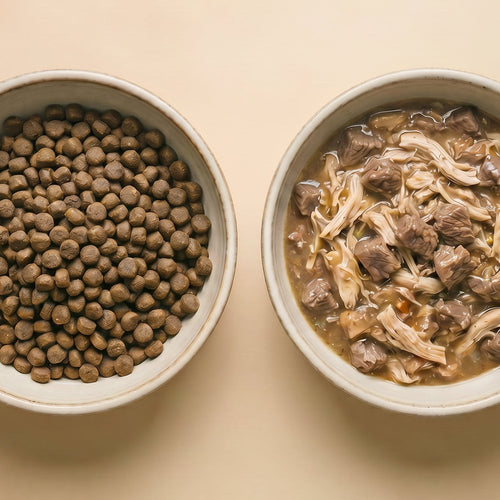
A balanced and high-quality diet for cats is fundamental to keeping the cat in the best possible condition. Wet food for cats can be particularly beneficial for its high water and easily digestible protein content.
Prevention: the vaccine is essential
The vaccine against feline leukaemia is the most effective preventive tool. It is recommended especially for cats with outdoor access or cohabiting with other felines whose serological status is unknown. Consult your vet for the most suitable vaccination protocol for your cat. To learn about other frequent cat diseases and how to identify them, check our guide on the most common diseases in cats.
Cohabitation with other cats
An FeLV-positive cat can live with other felines as long as these are correctly vaccinated. It is important to avoid risky behaviour (fights, intense mutual grooming) and to carry out regular veterinary checks. The positive cat should not go outside to avoid infecting unvaccinated animals.