Akita Inu
The Akita Inu is a national symbol of Japan, declared a Natural Monument of the country, and one of the noblest, most loyal and independent dogs in the world. Its history is marked by honour and faithfulness, immortalised in the figure of Hachiko, and its character reflects those same values: a reserved, dignified dog, deeply loyal to its family and with a presence that commands respect.
Features


Origins
The origins of the Akita Inu lie in the Akita region of northern Japan, where it was bred for centuries as a hunting dog for large game and as a guardian of the imperial family. It is one of Japan's oldest breeds. During the Edo period, only the nobility could own Akitas, and specific rituals existed for their care, reinforcing their connection to honour and status.
In the 20th century, the breed faced extinction after both world wars. A group of dedicated breeders worked to restore the pure type, and today the Akita Inu is internationally recognised and protected. The story of Hachiko, who waited nine years for his deceased owner at Shibuya station, made it a worldwide symbol of canine loyalty.
Characteristics and aptitudes
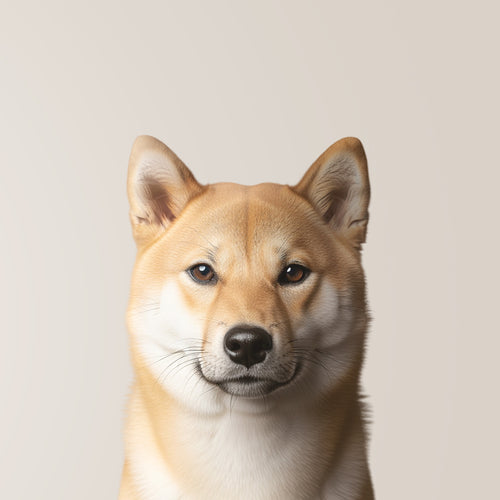
The Akita Inu is a large, muscular and well-built dog with a powerful silhouette and a bearing that conveys dignity. Its head is broad and triangular, with small erect ears, dark almond-shaped eyes and a serious but non-aggressive expression. The double-layered coat is dense and harsh. The tail, curled over the back, is one of its most distinctive features.
Its temperament is reserved, independent and deeply loyal. It is not a dog that seeks contact with strangers. With its family it can be surprisingly tender and protective. It is a breed for experienced owners who can set clear boundaries without coercive methods.
Care
The Akita Inu needs moderate to intense daily exercise: two long walks per day and sessions of structured activities. Training should begin as a puppy and be based on positive reinforcement and consistency.
Its coat requires brushing two to three times per week, with daily sessions during the two annual sheds. It is a relatively clean breed with no strong odour. Food must be high quality and suited to its size and activity level. Dental care and regular vet visits with thyroid and joint checks are also important.
Most common diseases
The most common condition in the Akita Inu is hip dysplasia, which can cause chronic joint pain. Responsible genetic selection and weight control are the best preventive measures. Hypothyroidism is also common and responds well to hormonal treatment.
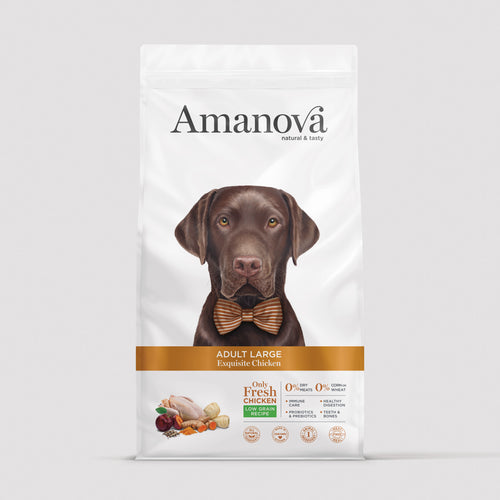
Autoimmune diseases are another point of attention in the breed. With regular blood tests, veterinary follow-up and high-quality nutrition, the Akita Inu can enjoy a long and serene life. Discover our selection of dog food for large and active breeds like the Akita Inu.