Manx
Features


Origins
The Manx cat is one of the oldest and most recognisable breeds in the world, originating from the Isle of Man, a small territory in the Irish Sea. Its most striking feature, the absence of a tail, is the result of a spontaneous genetic mutation established over centuries of geographical isolation.
The first documented references date back to the 18th century; the breed was officially recognised at the beginning of the 20th century. Variants: Rumpy (no tail), Stumpy (stub) and Riser (very short tail).
Over time, the Manx has gained worldwide popularity. Today it is a cultural symbol of the Isle of Man, highly valued by breeders and cat lovers alike.
Characteristics and aptitudes
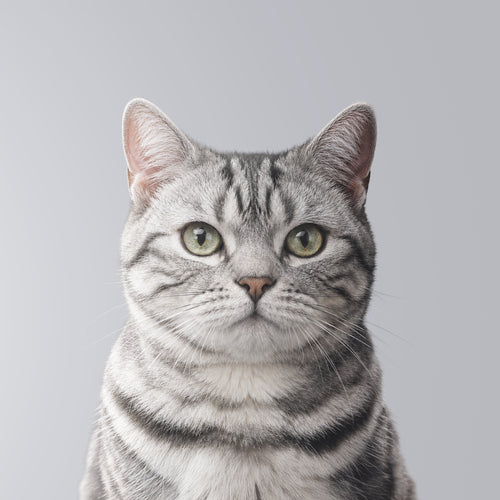
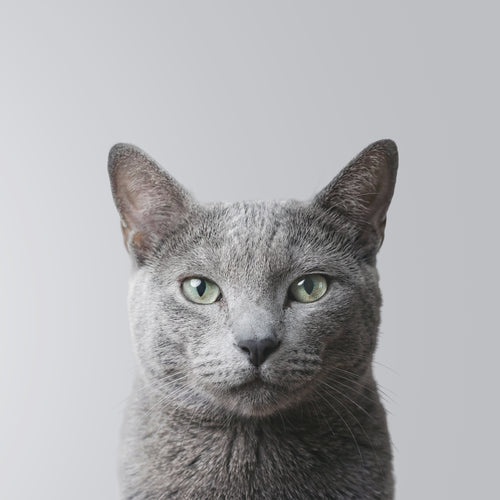
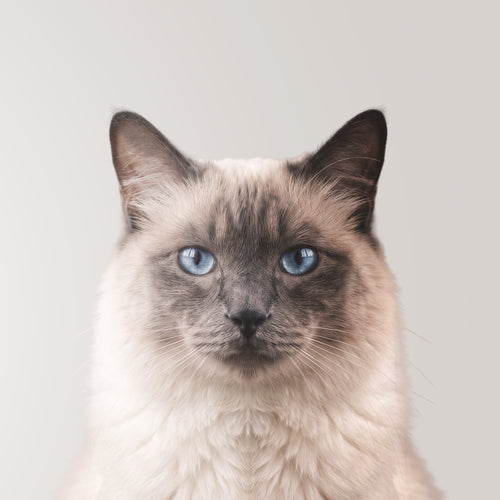
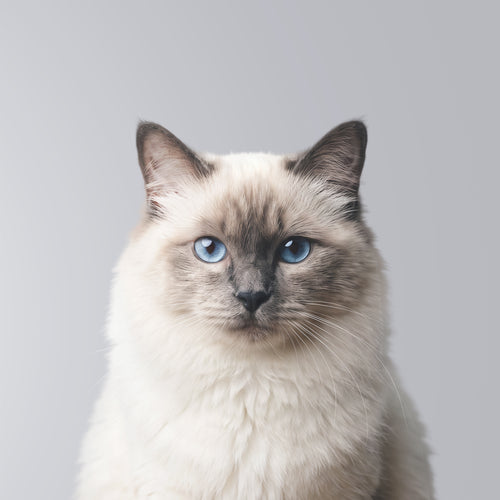
The Manx cat is a medium-sized feline with a compact, muscular and rounded build. It stands out for its arched back, longer hind legs, and large round head with prominent cheeks. The most distinctive feature is the complete or partial absence of a tail, which does not affect mobility or quality of life.
The coat comes in short and semi-longhaired (Cymric) versions, both with a dense, soft double layer. All colours and patterns are accepted.
The Manx is known for being extremely affectionate, loyal and strongly bonded to its human family. Active and curious, it also adapts well to quieter moments.
Care
Caring for a Manx cat involves daily play and interaction, as this breed needs mental and physical stimulation. Interactive toys, scratching posts and climbing spaces are recommended.
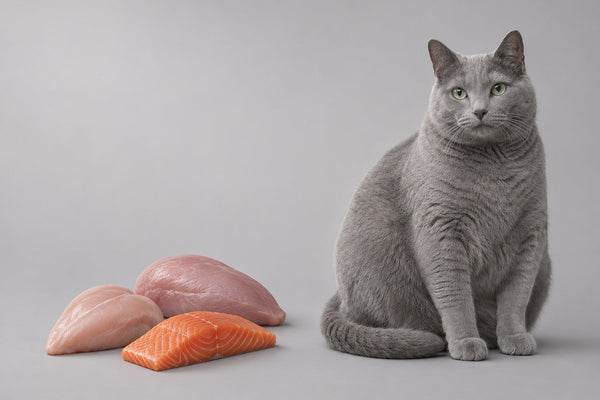
The diet should be balanced and rich in high-quality protein, adapted to weight and activity level. Portion control is important as Manx cats can tend to gain weight. Fresh water must always be available.
The coat requires weekly brushing (more frequently for the Cymric). Regular spinal check-ups are recommended due to Manx syndrome risk. Dental care and nail trimming complete the routine.
Most common diseases
The most characteristic disease is Manx syndrome, a set of spinal malformations that in severe cases can cause neurological, digestive or urinary problems. Cats should be obtained from responsible breeders who carry out genetic testing.
Arthritis in the tail vertebrae and hind joints is another frequent problem, requiring regular veterinary monitoring. Maintaining a healthy weight reduces joint stress.
Some individuals may develop corneal dystrophy, a hereditary eye condition. Regular ophthalmological check-ups are recommended.
A balanced, high-quality diet is the foundation of your cat's health. Discover our selection of dry food for cats.