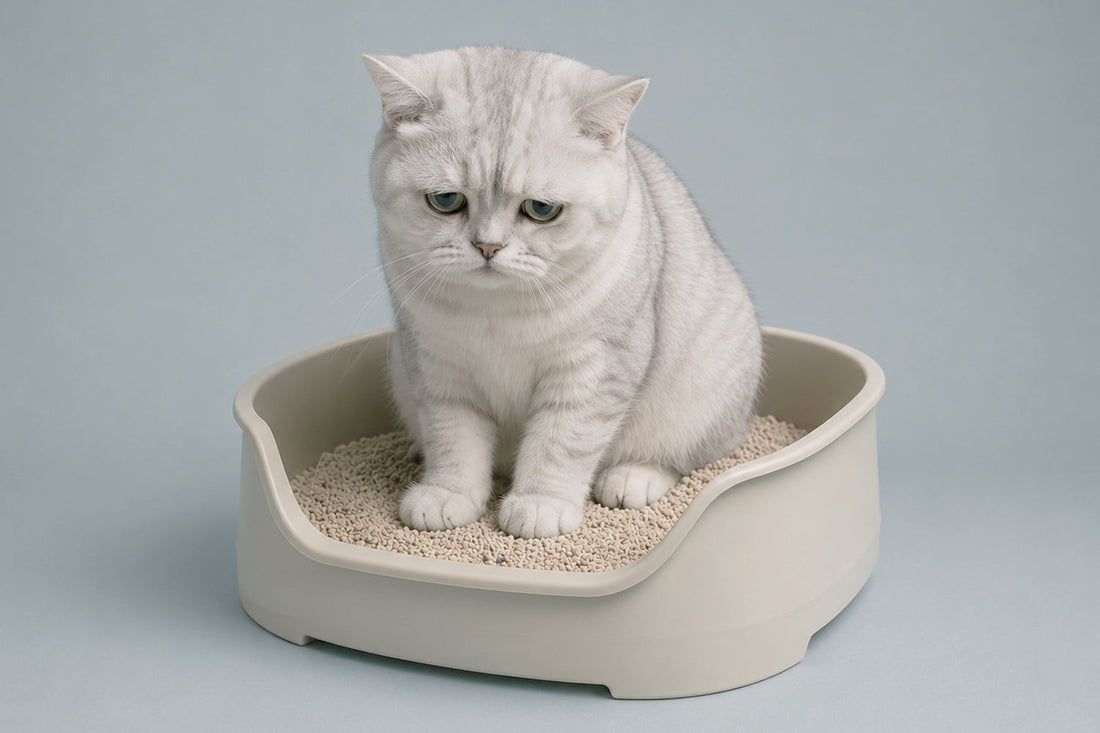
Diarrhea is one of the most common digestive problems in cats and the reason for about 30% of veterinary visits. In most cases, it resolves within a few days with proper care, but knowing the causes and symptoms allows you to act quickly and avoid complications.
Why does a cat have diarrhea? Most common causes
The causes of diarrhea in cats are very varied. The most common ones are:
- Sudden dietary changes: introducing a new food without a gradual transition irritates the digestive system. Any change should be made by progressively mixing over 7-10 days.
- Ingestion of inappropriate food: leftovers from human food, food toxic to cats (onion, garlic, grapes, chocolate) or spoiled food.
- Toxic plants: many indoor plants are toxic to cats. Combined symptoms of vomiting and diarrhea are often a sign of poisoning.
- Food intolerances or allergies: reactions to ingredients such as grains, dairy products or certain proteins.
- Intestinal parasites: giardia, roundworms or other parasites, particularly common in young cats or outdoor cats.
- Gastrointestinal infections: bacteria, viruses or protozoa affecting the digestive tract.
- Stress or anxiety: moving house, vet visits or other changes in the environment can trigger nervous diarrhea.
- Systemic diseases: liver, kidney or pancreatic problems can also manifest with chronic diarrhea.
Types of diarrhea according to stool color
The color of the stool can indicate the origin of the problem:
- Yellow or greenish: intestinal transit too rapid; stools do not have time to acquire normal consistency.
- Black: presence of digested blood; may indicate bleeding in the upper gastrointestinal tract. Requires immediate veterinary attention.
- Cream or beige: absence of bile; usually associated with liver or bile duct problems.
- Grayish: may indicate pancreatic insufficiency or poor fat absorption.
- With visible red blood: bleeding in the lower part of the intestine; may indicate colitis or other inflammations.
When to see the vet
Consult the vet if: diarrhea lasts more than 2-3 days, there is blood or mucus in the stool, the cat vomits frequently or has a fever, the cat refuses to eat or drink for more than 24 hours, it is a kitten or senior cat, or you suspect ingestion of a toxic substance.
Treatment for diarrhea in cats
1. Bland diet
A bland home-cooked diet based on boiled rice and cooked chicken without skin or bones helps the digestive tract rest and recover. Keep it for 2-3 days as the only food, then gradually reintroduce the usual diet.
2. Easily digestible nutrition
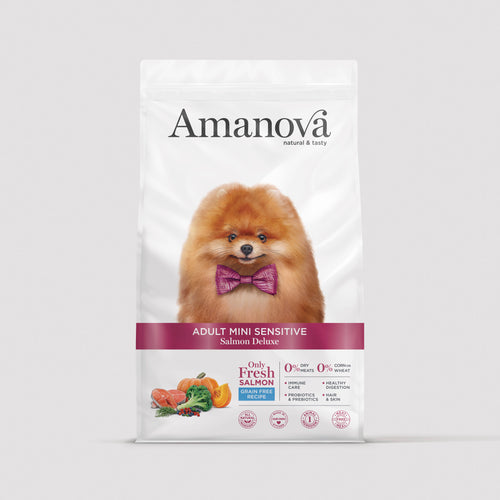
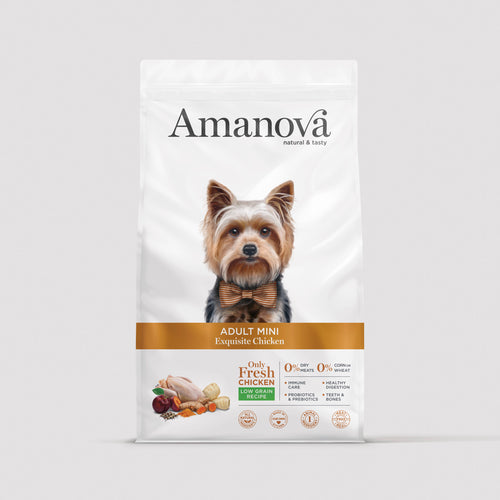
If your cat does not tolerate rice or chicken well, wet food for cats with gastrointestinal problems is a good alternative. You can also rely on supplements for cats such as probiotics.
3. Hydration
Ensure the cat always has fresh, clean water available. If the cat shows signs of dehydration, take it to the vet immediately.
4. Avoid medication without a prescription
Never give your cat antidiarrheal medications for human use. Only the vet can prescribe the appropriate treatment.
How to prevent diarrhea in cats
- Always change food gradually, mixing increasing proportions for at least 7 days.
- Keep the food and water bowls clean.
- Deworm your cat regularly.
- Avoid giving table scraps or human food.
- Maintain a stable routine to reduce stress.
If your cat has frequent digestive problems, you might also be interested in reading about vomiting in cats.
Frequently asked questions
How long can diarrhea last in a cat?
An acute episode usually resolves within 24-48 hours with basic care. If it extends beyond 2-3 days, it should be evaluated by a vet.
Can stress cause diarrhea in cats?
Yes. Changes in the environment or stressful situations can trigger nervous diarrhea. Maintaining a stable routine can help reduce these episodes.
Should I stop feeding it if it has diarrhea?
Total fasting is not necessary. Offer a bland, easily digestible diet in small amounts, always ensuring hydration.
What foods are forbidden for a cat with diarrhea?
Avoid cow's milk, fatty foods, ultra-processed products and any new or unfamiliar food until the digestive system has recovered.