

Autumn brings lower temperatures, humidity and changes in the daily routine that directly affect the wellbeing of dogs. For young and healthy animals, the adjustment is usually straightforward. But for older dogs, large breeds or animals with pre-existing joint problems, the autumn cold can mark the beginning of a more difficult season. Preparing in advance makes a big difference.
Why cold affects your dog's joints
Low temperatures cause the soft tissues surrounding the joints to contract, which can increase stiffness and pain in dogs with arthritis or other joint conditions. Humidity also plays a role: cold, damp days cause the most discomfort in animals with chronic joint problems.
This is not something exclusive to very elderly dogs: large and giant breeds such as the Labrador, German Shepherd, Golden Retriever and Rottweiler are particularly prone to hip dysplasia and joint wear, and may start showing symptoms from as early as 5–6 years of age.
Signs that your dog has joint discomfort
- Stiffness when getting up, especially in the morning or after a rest period
- Reluctance to climb stairs or jump
- Slight limping that improves with movement
- Lower exercise tolerance or ending walks early
- Frequent licking of a specific joint
- Mood changes or irritability when touched
If you notice these signs, consult your vet for a diagnosis and an appropriate management plan.
Nutrition and joints: what makes the difference
Quality protein to maintain muscle mass
Muscles act as support for the joints: good muscle tone reduces the load on cartilage and bone. In older dogs or those with reduced mobility, maintaining muscle mass is a priority. A diet with a high proportion of digestible animal protein helps preserve muscle even when exercise is reduced. If your dog has already entered the senior stage, a specific senior dog food can provide exactly the nutrients they need at this stage of life.
Omega-3 fatty acids: natural anti-inflammatories
Long-chain omega-3 fatty acids (EPA and DHA), found in salmon oil and oily fish, have proven anti-inflammatory properties that can relieve joint pain and improve mobility. Many premium dog foods already incorporate them, but in dogs with compromised joints the amount provided by diet alone may be insufficient.
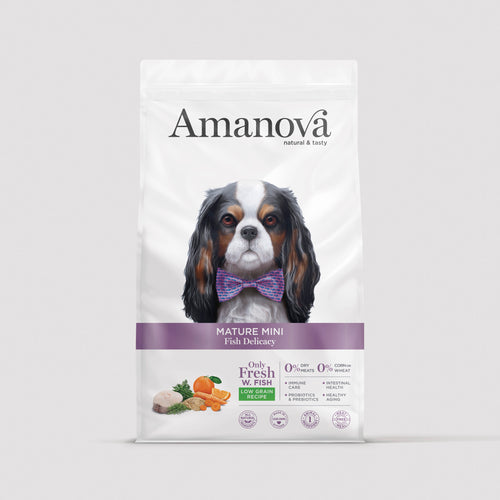
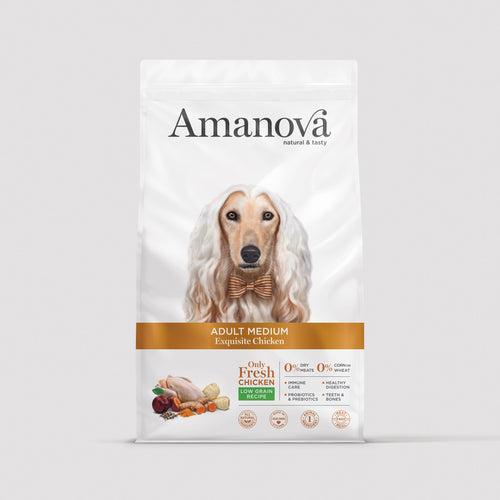
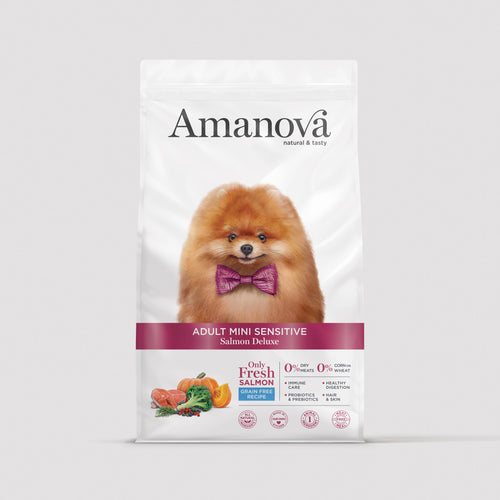
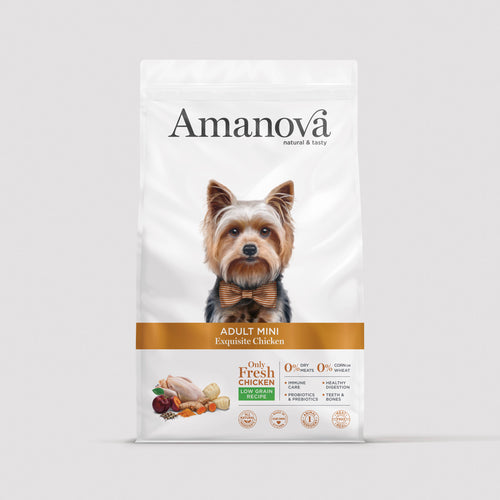
Supplements for joint support
Supplements containing glucosamine, chondroitin, collagen and omega-3 are the most studied for joint support in dogs. They do not replace veterinary treatment, but can effectively complement it. Discover our selection of specific supplements for dogs formulated for joint and general wellbeing.
Specific veterinary diets for joint problems
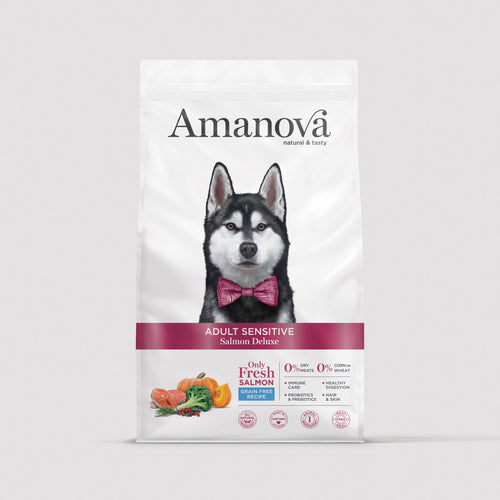
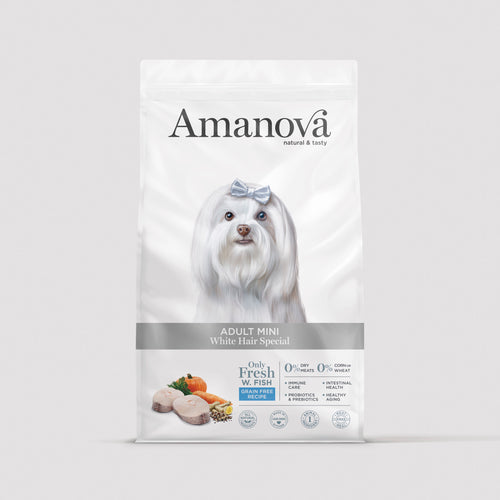
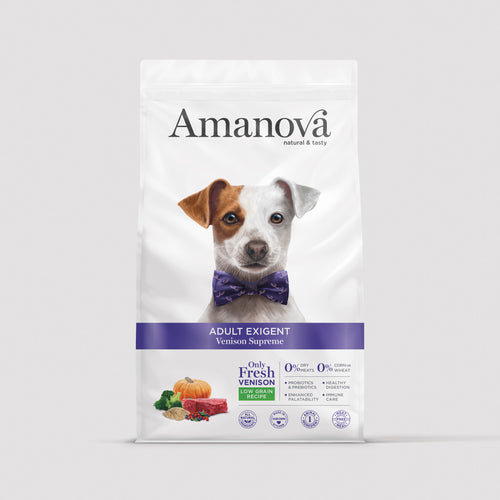
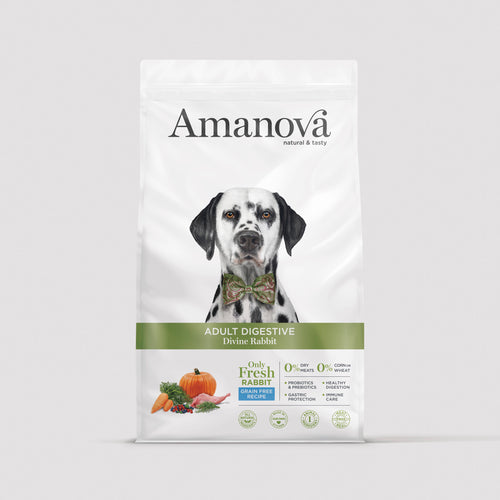
For dogs with confirmed arthritis or other joint conditions, there are veterinary diets formulated specifically to reduce inflammation and support cartilage health. The Trovet range for dogs includes prescription veterinary options designed for different metabolic and joint needs, with highly digestible ingredients.
If you are looking for a premium alternative with a nutritional profile focused on joint wellbeing and general health, the TrovetPlus range for dogs combines quality ingredients with formulations designed for both the active dog and the senior dog.
How to adapt exercise in autumn
Exercise remains essential even for dogs with delicate joints: regular movement maintains muscle tone, lubricates the joints and has benefits for weight and mental wellbeing. The key is to adapt the intensity and duration.
- Several short walks instead of one long one: better for the joints than a single prolonged effort.
- Soft surfaces: grass, earth or sand are much gentler on the joints than tarmac. Choose routes through parks or the countryside whenever possible.
- Avoid sudden starts in the cold: let your dog warm up gradually before trotting or intense play.
- Swimming and hydrotherapy: exercise in water is especially beneficial for dogs with joint problems, as it reduces impact without eliminating movement.
Rest matters too
A good sleeping spot makes a big difference for dogs with joint discomfort. An orthopaedic bed or one with memory foam filling reduces pressure points and makes it easier for the dog to get up with less stiffness. Place it in a warm spot, away from draughts and cold floors.
Conclusion
Autumn cold does not have to mean months of discomfort for your dog. With an adapted diet, the right supplements, moderate exercise and a comfortable rest space, you can help them face the change of season with wellbeing and energy. Consult your vet if you notice changes in your dog's mobility: the sooner it is managed, the better the prognosis.


