
Cold, rain and short winter days tend to reduce dogs' physical activity, whether because walks get shorter, the owner is less keen to go out, or the animal itself shows less enthusiasm in low temperatures. However, lack of regular exercise has concrete consequences for the dog's physical and mental health: weight gain, joint problems, anxiety, destructive behaviour and a lower overall quality of life. Maintaining an activity routine in winter is not a luxury: it is a necessity.
Why winter tends to reduce your dog's activity
The reasons are many: days are shorter, temperatures put off the owner, wet or frozen ground makes movement harder, and some breeds of Mediterranean or indoor origin simply prefer the warmth of home to the cold outside. Add to this that short walks or walks on slippery surfaces are less stimulating for the animal. The result is that the dog spends more hours lying down, with all that implies.
Signs that your dog is too sedentary
It is not always obvious that the activity level has fallen below what is healthy. Here are some warning signs:
- Weight gain without changes in diet
- Greater irritability or restlessness at home
- Destructive behaviour (chewing furniture, excessive scratching)
- Constant seeking of attention and play
- Difficulty relaxing or a tendency to follow the owner all around the house
- Stiffness when getting up, especially in middle-aged or older animals
How to adapt walks in winter
Winter walks do not need to be shorter — just smarter. A few practical adjustments make it possible to maintain activity levels even on the coldest days:

- Go out in the middle hours of the day, when temperatures are milder.
- Choose routes that include natural surfaces (soil, grass) rather than cold or wet tarmac.
- For small breeds or those with little coat, consider a functional jacket that allows free movement.
- Include active play moments during the walk: throwing a ball, tracking exercises or short agility circuits.
- Keep the duration the same when possible: frequency and total weekly time matter more than occasional intensity.
Indoor games to keep the dog active
Days of heavy rain or extreme cold are an opportunity to work on activity indoors:
- Treat hunting: hide pieces of food around the house and let the dog find them by scent.
- Kong and food-dispensing toys: keep the dog busy and make it work mentally.
- Learning commands or tricks: short training sessions are more stimulating than a long, boring walk.
- Interactive tug games: in a hallway or spacious living room this can be enough to burn energy.
- Interactive toys designed to stimulate scent and intelligence are especially useful in the winter months.
Mental stimulation: as important as physical exercise
Mental tiredness is as effective as physical tiredness for balancing a dog's behaviour. Scent games, puzzles and training sessions activate the brain and reduce anxiety. A dog that works mentally for twenty minutes can relax as much as one that has run for an hour. This is a real advantage on the days when the weather does not cooperate.
Feeding and weight management in winter
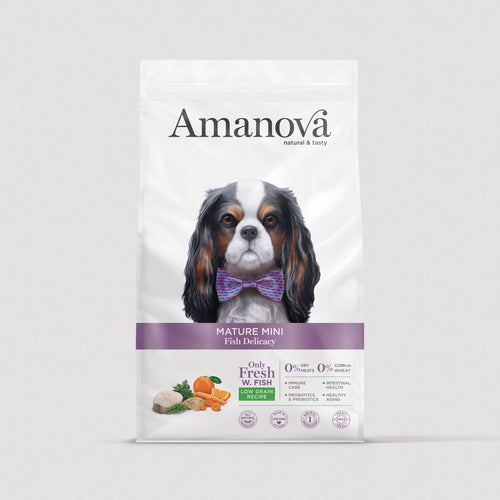
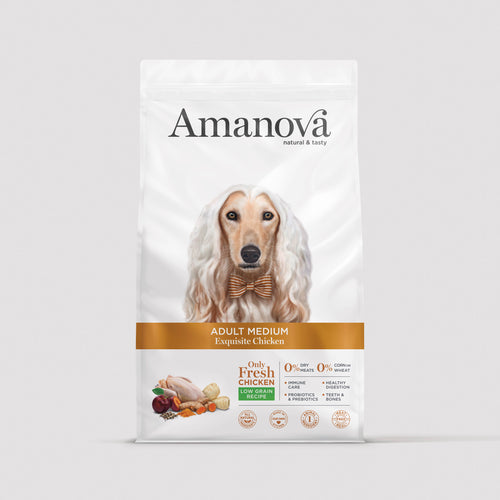
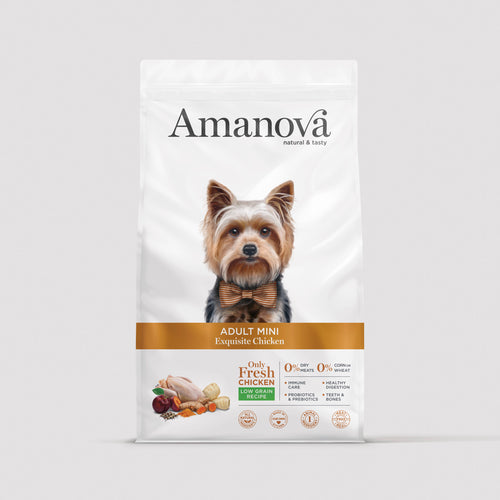
If the activity level drops, calorie intake must be adjusted. A sedentary dog that keeps eating the same amount as in summer gains weight easily. Consulting the vet about whether the portion or type of food needs adjusting is an important step. A quality diet adapted to the animal's actual activity level, with the right energy input, helps maintain weight and physical condition throughout winter. Supplements with omega-3 can support joint and muscle health in less active dogs during this period.
Remember too that in winter, when the animal spends more time at home with the heating on, it is important to look after the environment. Read our advice on the risks of heating for pets and how to keep the environment safe.


