Although it is completely normal for cats to shed hair throughout the year, excessive shedding can be a sign of an underlying problem. Hygiene, diet, and certain diseases directly influence coat health. In this article, we explain the most common causes and how to prevent them.
Causes of hair loss in cats
Excessive grooming
Cats groom themselves naturally to stay clean, but compulsive grooming can cause hair loss through skin irritation or hair pulled out from overly intense licking. This behaviour is often related to stress, boredom, or lack of mental stimulation. If you notice bald patches or an obvious obsession with licking, consult your vet.
Unbalanced diet
A cat's coat directly reflects its nutritional state. A lack of quality proteins, essential fatty acids (Omega 3 and Omega 6), vitamins A and E, zinc, or biotin can cause the fur to become thin, brittle, and shed excessively. A complete and balanced diet is the foundation of good dermatological health.
Allergies, fungi, and parasites
Fleas, mites, and other external parasites cause intense itching that leads the cat to scratch and groom excessively, promoting hair loss. Environmental allergies (to pollen or dust) or food allergies also generate chronic itching. Ringworm —a fungal infection common in cats living in groups— can cause hair loss in circular, well-defined areas.
How to control hair loss in cats
Brush your cat regularly
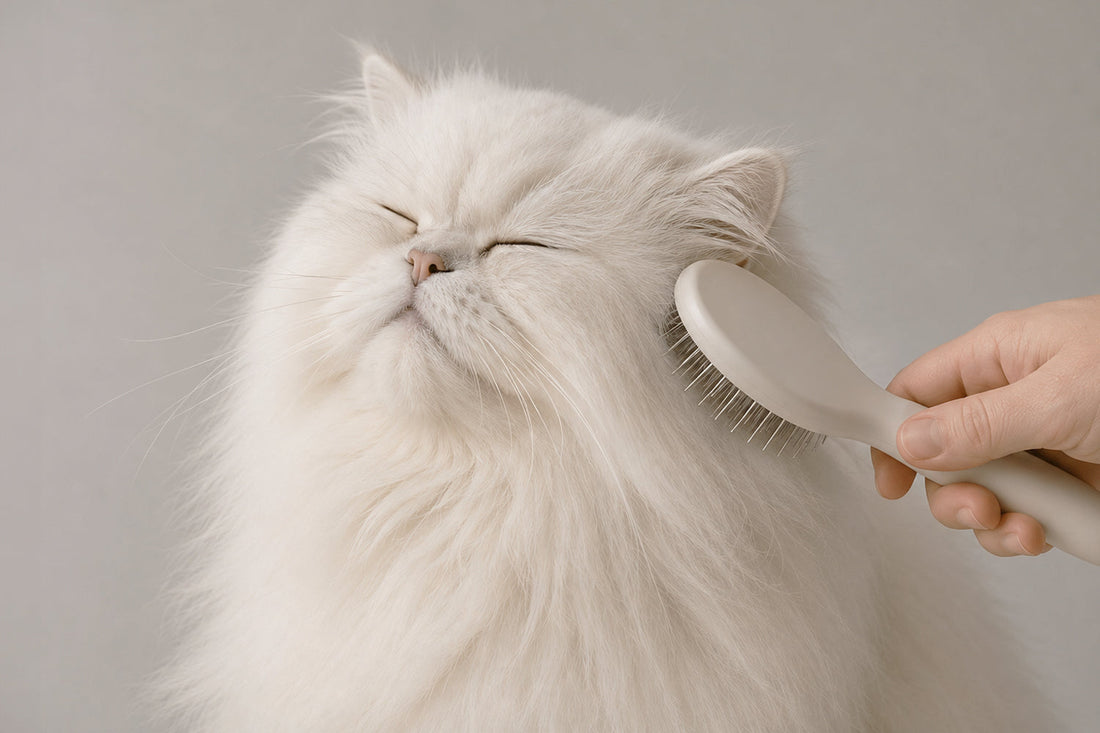
Frequent brushing removes dead hair before it falls to the floor and stimulates blood circulation in the skin. Brush your cat for 5–10 minutes at least once a week: use soft-bristle brushes for short or medium hair, and deshedding brushes for long hair. If your cat does not tolerate the traditional brush, grooming gloves are a good alternative.
Take care of their hygiene
Bathing your cat every four weeks helps remove loose hair and keep the skin clean. If they do not like water, you can use dry cleaning wipes or a damp, warm cloth. For long-haired cats or those that become aggressive during grooming, it is best to visit a professional groomer.
Take care of their diet
A cat's skin and coat need highly digestible proteins and essential fatty acids to remain in optimal condition. A food rich in Omega 3 and Omega 6 from natural sources —such as fresh fish— and supplemented with vitamins A and E, zinc, and biotin promotes stronger, shinier fur that is more resistant to shedding.
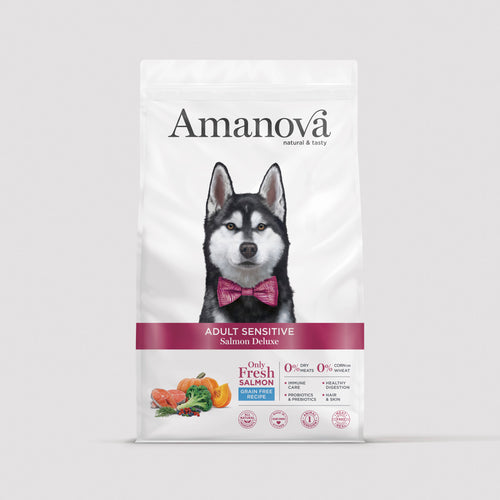
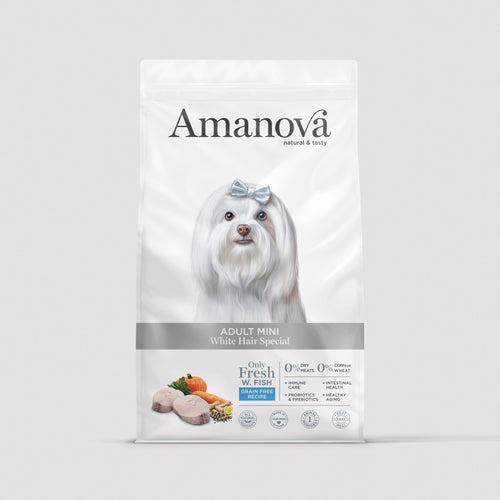
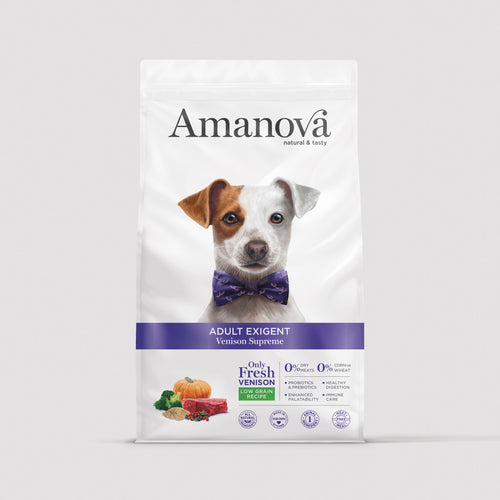
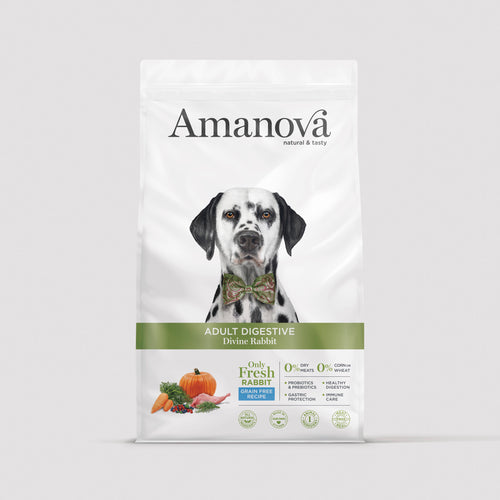
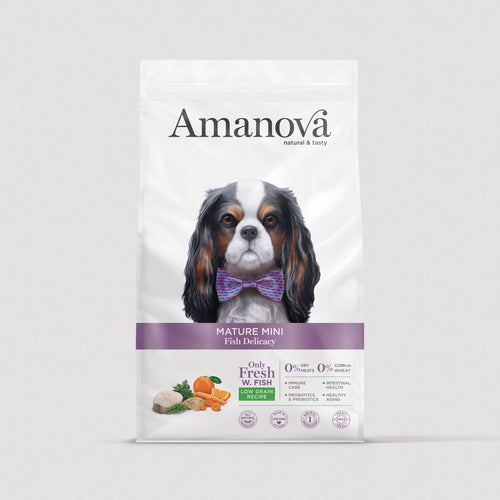
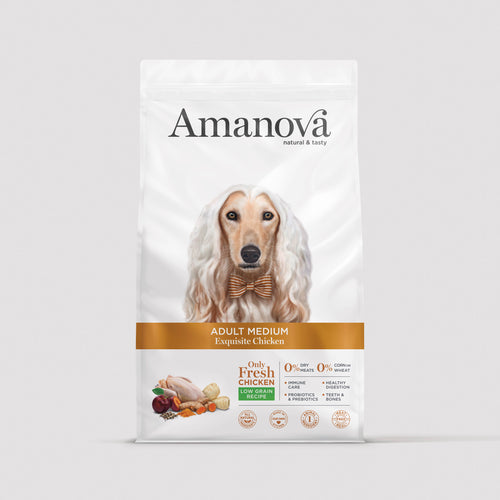

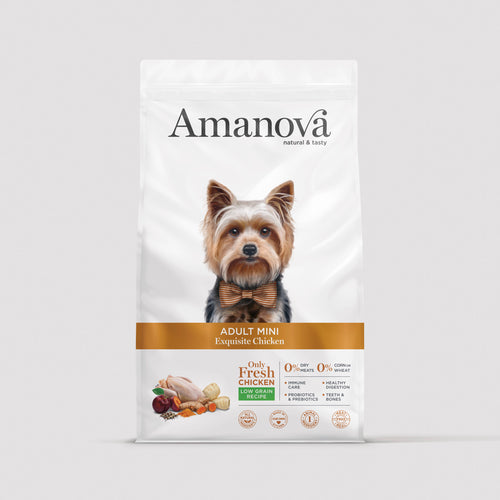
There are specific cat foods for skin and hair loss problems formulated with hypoallergenic ingredients and without meat flours, especially recommended for cats with sensitive skin or food intolerances. You can also supplement the diet with supplements for cats rich in essential fatty acids.
Deworm your cat regularly
External parasites such as fleas are a frequent cause of intense scratching and hair loss. Check your cat's coat regularly, especially at the base of the tail and on the abdomen. If you find fleas or their droppings (small black dots), visit the vet to start the appropriate antiparasitic treatment.
Take them to the vet if the shedding is excessive
If scratching persists without apparent cause, if you notice bald patches, redness, or scabs on the skin, or if hair loss is very sudden and intense, consult your vet. An accurate diagnosis can rule out ringworm, allergy, hypothyroidism, or other diseases that may manifest as coat loss.
When it could be a sign of something more serious
Hair loss in cats can be a symptom of systemic diseases such as hyperthyroidism, liver disorders, kidney problems, or severe nutritional deficiencies. If the loss is generalised and accompanied by weight loss, lethargy, or behavioural changes, seek veterinary attention as soon as possible.
Frequently asked questions
Why does my cat lose more hair in spring and autumn?
Cats go through seasonal moults in spring and autumn when they renew their coat. During these periods, shedding can be more intense than usual, but it is completely normal. Frequent brushing helps manage loose hair.
What foods improve a cat's coat?
A food rich in high-quality proteins (with fresh meat or fish as the first ingredient), Omega-3 and Omega-6 fatty acids, and vitamins A, E, and from the B group promotes a healthy and shiny coat. Avoid foods with a high content of refined grains or low-quality animal by-products.
Can stress cause hair loss in cats?
Yes. Chronic stress can lead to compulsive grooming, which in turn causes areas of alopecia. Changes in environment, the arrival of new pets, or a lack of environmental enrichment are common causes of stress in cats.
When should I worry about my cat's hair loss?
Pay special attention if the loss forms defined bald patches, if the skin is red, scaly, or scabby, if the cat scratches very frequently, or if the loss is very sudden. In all these cases, consult the vet.