
With the arrival of autumn and winter, it is not only humans who get more colds. Cats are also vulnerable to respiratory infections, especially when temperatures drop or when they live with other felines. If your cat has been sneezing for a few days, has watery eyes or is less active than usual, it may have a cold. In this article we explain how to recognise it, what you can do at home and how nutrition can be your greatest ally during its recovery.
Symptoms of a cold in cats
Feline cold (also called coryza or feline herpesvirus) manifests itself in a similar way to that in people. The most common symptoms are:
- Frequent sneezing
- Clear or slightly yellowish nasal discharge
- Watery or crusty eyes
- Slightly congested breathing
- Lethargy and tiredness
- Loss of appetite
- Mild fever in some cases
These symptoms usually appear two to five days after exposure to the virus and in mild cases resolve within one to two weeks with proper home care.
When to go to the vet?
Most feline colds are mild and resolve on their own, but there are situations where you should consult the vet without waiting:
- If the cat does not eat or drink for more than 24 hours
- If the nasal or eye discharge turns green or intense yellow
- If it has visible breathing difficulties
- If the cat is very young, very old or has a pre-existing illness
- If symptoms worsen after three or four days
Don't worry too much: with attention and care, most cats recover without problems. But your vet is always the best reference when you have doubts.
How to help your cold-stricken cat at home
- Keep the environment warm: make sure it has a sheltered place away from draughts.
- Encourage rest: respect its sleeping time and don't force it to interact if it doesn't feel like it.
- Gently clean eyes and nose: use a damp, clean gauze to carefully remove secretions.
- Use steam: taking your cat to the bathroom while you shower with hot water can help clear its airways naturally.
- Hydration: make sure it always has fresh water available and drinks regularly.
Nutrition when your cat has a cold
One of the biggest challenges when a cat has a cold is that it loses its sense of smell and, with it, its interest in food. Since cats depend greatly on smell to feel hungry, a blocked nose can cause them to reject even their favourite dishes.
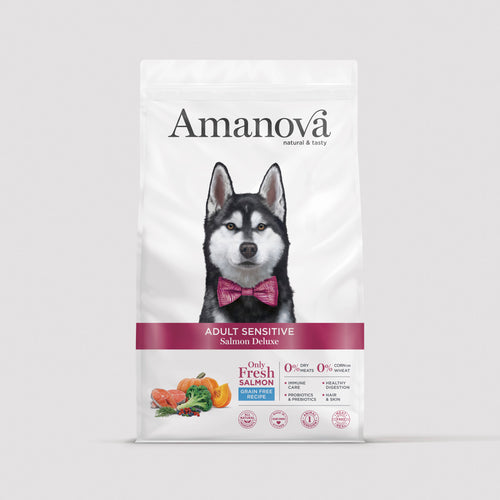
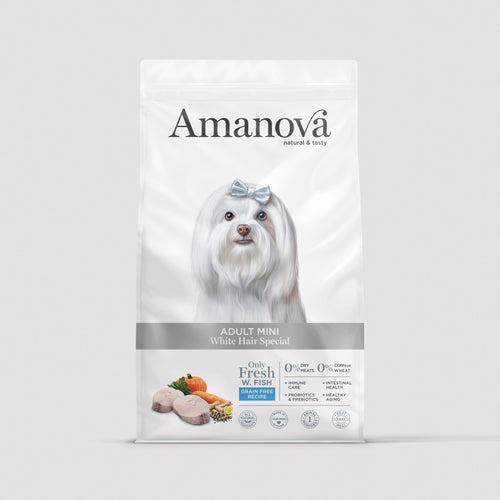
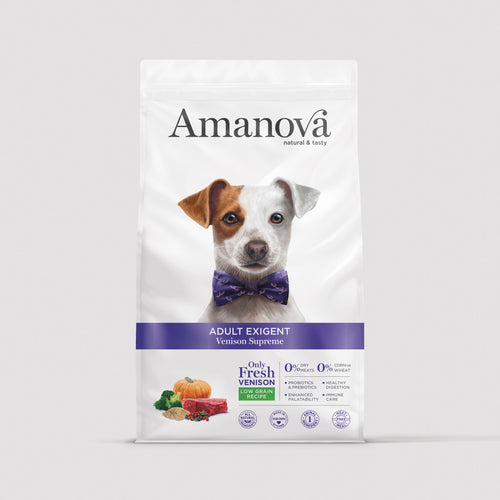
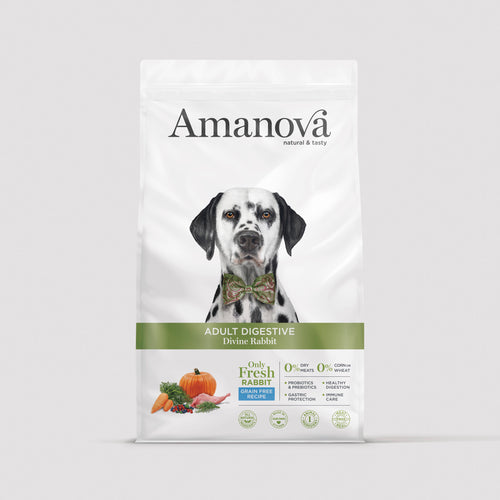


At these times, wet food for cats is especially useful: its more intense aroma is more appealing to a reduced sense of smell, and it also provides the extra hydration they so badly need when sick. You can slightly warm the food (never too hot) so it releases more smell and becomes more appetising.
If your cat still doesn't want to eat, try cat snacks as an incentive. Sometimes a small treat with an intense flavour can stimulate appetite and encourage it to eat a little more. The important thing is that it doesn't go without eating for too long.
Strengthen its immune system with nutrition
The best defence against colds and other infections is a strong immune system, and nutrition plays a fundamental role. A diet based on natural cat food, made with quality ingredients and without unnecessary additives, helps maintain its defences in good condition throughout the year.
Additionally, during high-risk seasons like autumn and winter, you can support its immunity with specific supplements for cats. Products with omega-3, vitamin C, zinc or probiotics can make a difference, especially in cats that catch colds frequently or that live in environments with multiple animals.
Breeds such as the Persian Cat and the Siamese Cat, with their more delicate respiratory tracts, are particularly prone to colds and deserve special attention in the cold months.
Remember that prevention is always better than cure. Keeping your cat well fed, hydrated, with up-to-date vaccines and in a warm, calm environment during the cold months is the best way to help it get through winter without trouble. And if it ever does get a cold, you already know that with a little care and attention it will soon be back to its usual mischief.


