Staffordshire Bull Terrier
Features


Origins
The Staffordshire Bull Terrier has its roots in 19th-century England, when bulldogs were crossed with terriers to create an agile and courageous dog. Originating from the county of Staffordshire, the breed was officially recognised by the British Kennel Club in 1935. Despite its past association with dog fighting, it is today considered a loving and well-balanced family dog.
Characteristics and aptitudes
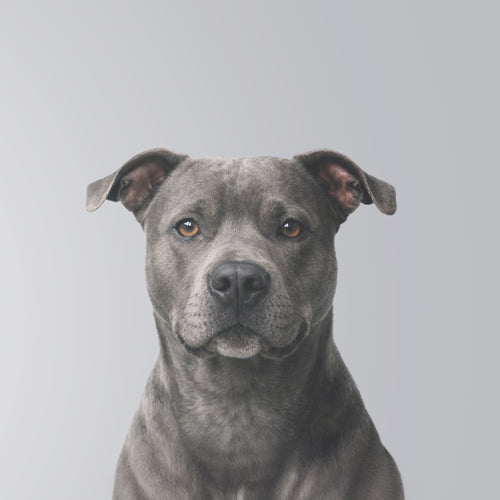
The Staffordshire Bull Terrier is a medium-sized dog with a muscular, compact body that radiates strength and agility. Its temperament combines bravery and intelligence with great affection for people, especially children, with whom it is exceptionally patient. It is active, playful and needs both physical and mental stimulation.
Care
The Staffordshire Bull Terrier needs vigorous daily exercise to channel its energy and keep its muscles in shape. Early socialisation with other dogs and animals is essential. Its short coat requires minimal maintenance, but attention should be paid to skin and ear health. Positive training from puppyhood is key to its well-being.
Most common diseases
The Staffordshire Bull Terrier may be prone to certain hereditary conditions worth knowing about:
- Hereditary cataracts (HC-HSF4): genetically caused lens opacity that can impair vision.
- Hip dysplasia: joint malformation that can cause pain and mobility difficulties.
- Demodicosis: infestation by Demodex mites causing hair loss and skin irritation.
- Skin allergies: skin sensitivity that may manifest as itching, redness or skin lesions.
A balanced, high-quality diet is key to your dog's health. Discover our selection of dog food.