Singapura
Features


Origins
Singapura takes its name from the Malay name for Singapore (Singapura means 'Lion City'). Breeders Hal and Tommy Meadow found them on the streets of Singapore in the 1970s and brought them to the USA to develop the breed.
Recognised by the CFA in 1988, it is considered the world's smallest domestic cat breed. In Singapore it has been recognised as living national heritage.
Characteristics and aptitudes
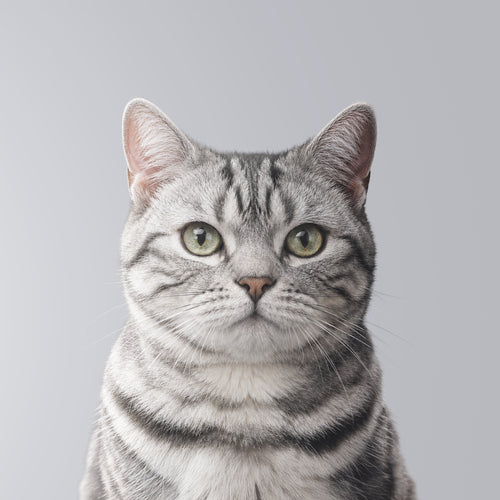
Singapura is the smallest recognised domestic cat breed, with a compact and muscular body despite its miniature dimensions. Its most distinctive features are its enormous almond-shaped hazel eyes and large pointed ears.
Its temperament is very active, curious and sociable: it constantly seeks its family's attention and is regarded as a cat that follows its owners everywhere.
Care
Singapura adapts well to apartment living without requiring much space, but appreciates environmental enrichment through toys, scratching posts and elevated spots. It is very sociable and does not tolerate prolonged solitude. The short coat requires only weekly brushing. Veterinary visits should include genetic testing for pyruvate kinase deficiency.
Most common diseases
Singapura may be predisposed to some conditions:
- Pyruvate kinase deficiency (PK): hereditary enzyme defect that can cause haemolytic anaemia; a genetic test is available for breeders.
- Feline dysautonomia: disorder of the autonomic nervous system affecting multiple organs; rare but reported in the breed.
- Uterine inertia: difficulties during labour in females due to the breed's small size; caesarean section may be necessary.
A balanced, high-quality diet is the foundation of your cat's health. Discover our selection of cat food.