European Shorthair
Features


Origins
The European Shorthair is the most common and oldest domestic cat in Europe. It descends from domestic cats brought by the Romans during their conquests, crossbreeding over the centuries with local feline populations across the continent. Its natural development without intensive selective breeding has given it a robust constitution and generally excellent health.
The breed was officially recognised by the Fédération Internationale Féline (FIFé) in 1983, distinguishing itself from the British Shorthair by a less exaggerated appearance and greater variety of colours and patterns. Today the European Shorthair remains one of the most popular cats in Western Europe.
Characteristics and aptitudes
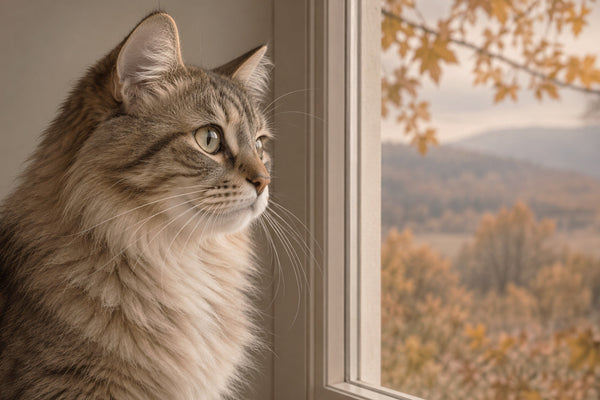
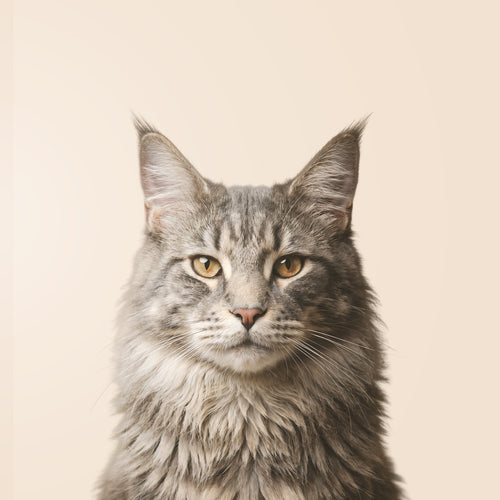
The European Shorthair is a medium to large-sized feline, muscular and well-proportioned, with a short, dense and glossy coat that can come in an enormous variety of colours and patterns. Its character is balanced and independent, yet it shows genuine affection towards its human family. It is an excellent instinctive hunter and enjoys access to the outdoors, but also adapts well to indoor life if provided with adequate environmental enrichment. It is undemanding and very adaptable to different lifestyles.
Care
The European Shorthair is one of the easiest breeds to care for thanks to its robustness and low coat-maintenance needs. Weekly brushing is sufficient to keep its coat in excellent condition. Weight management is essential, as the breed tends towards a sedentary lifestyle and obesity: toys, scratching posts and vertical spaces are key to keeping it active. Regular vet check-ups, vaccinations and anti-parasite treatments are essential to ensure a long and healthy life.
Most common diseases
The European Shorthair may be prone to some conditions worth knowing about:
- Hypertrophic cardiomyopathy (HCM): thickening of the heart walls, the most common cardiac disease in cats.
- Chronic kidney disease: progressive deterioration of kidney function, frequent in adult and senior cats.
- Obesity: tendency to gain weight when outdoor access is limited and diet is not controlled.
- Periodontal disease: tartar build-up and gum and tooth problems, frequent in adult cats.
A balanced, high-quality diet is key to your cat's health. Discover our selection of cat food.